Lecture Performance: Arkon nas Jogja
20 June 2023
Samboleap Tol
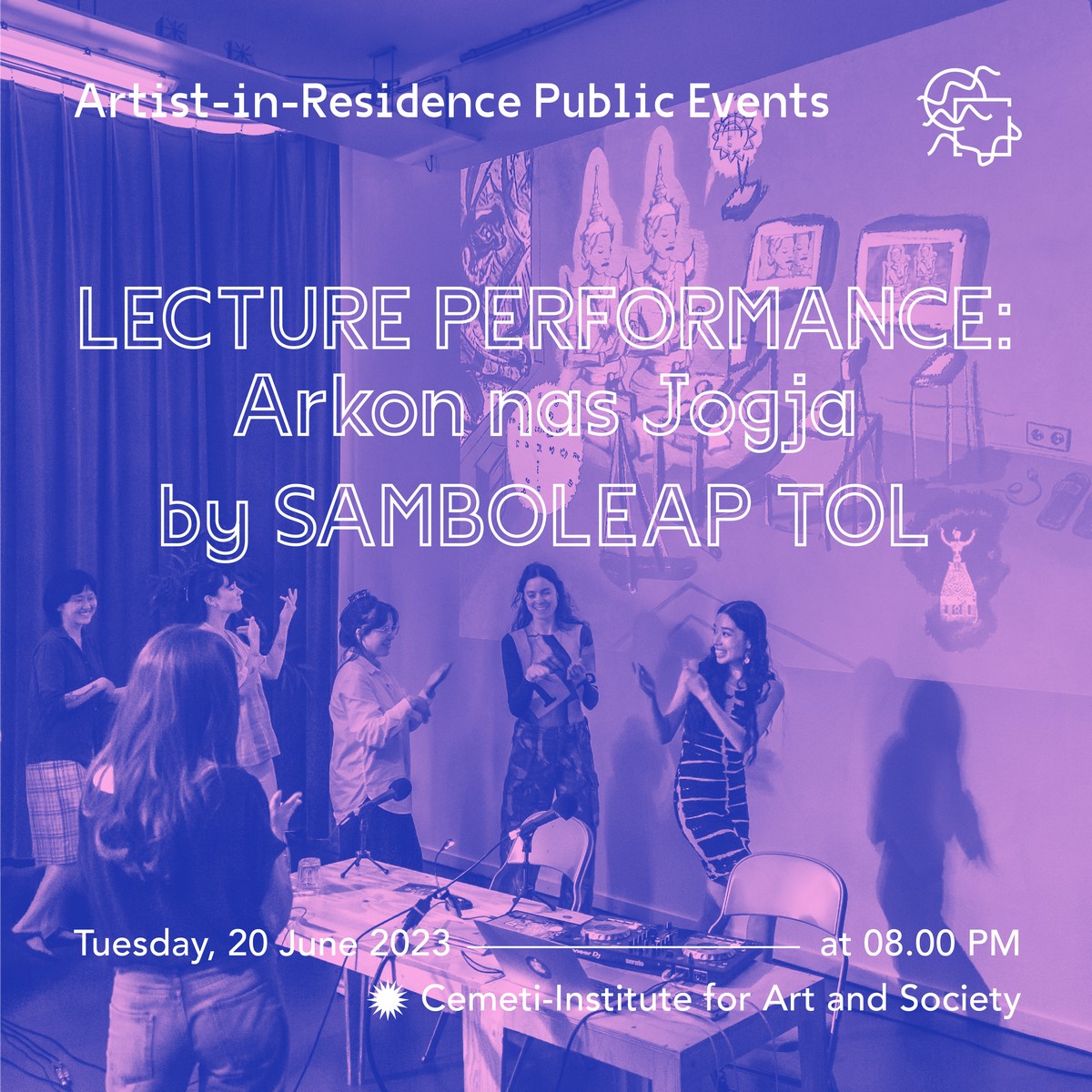
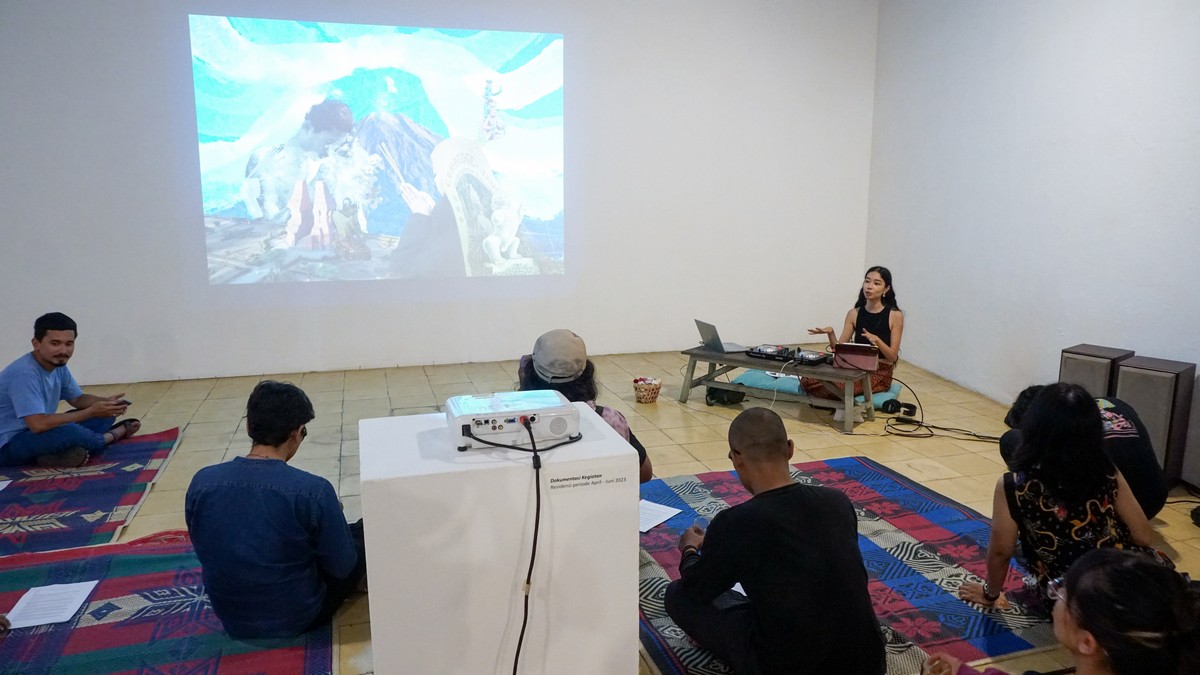
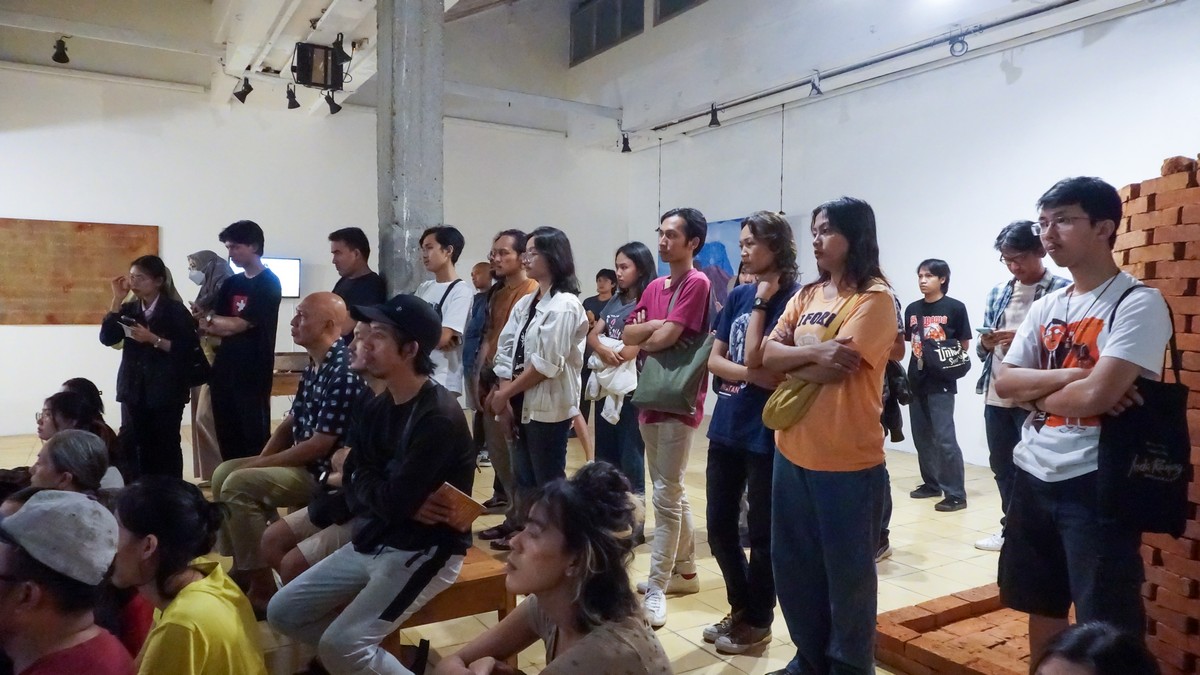
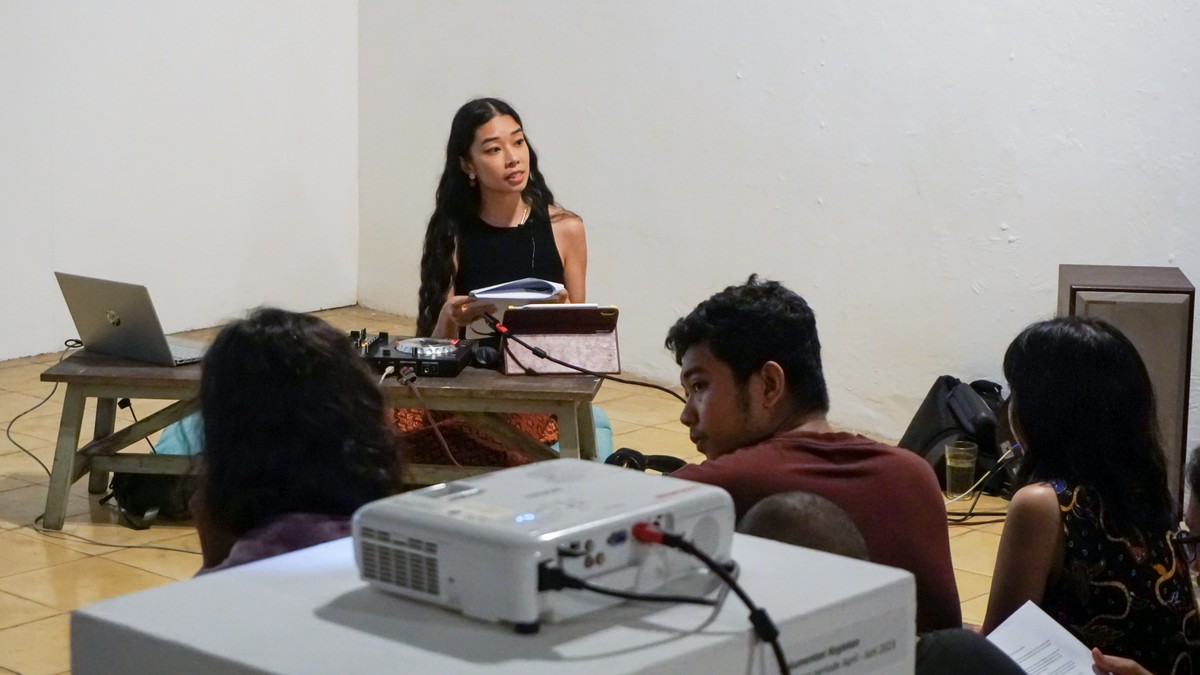
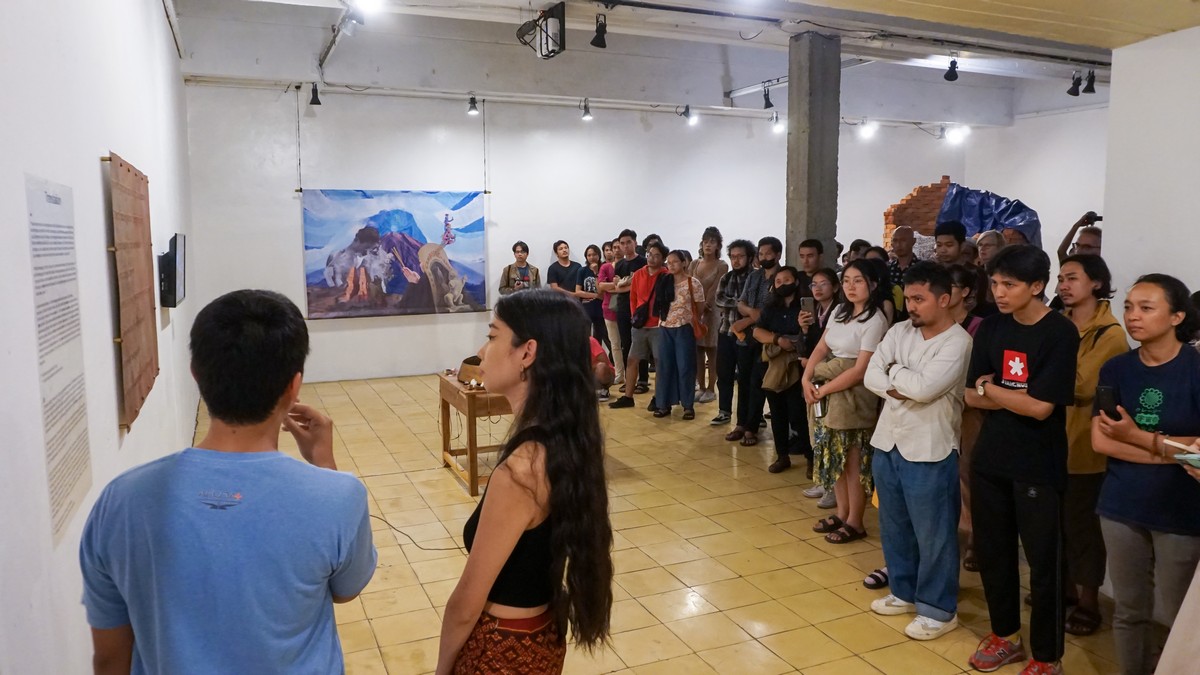
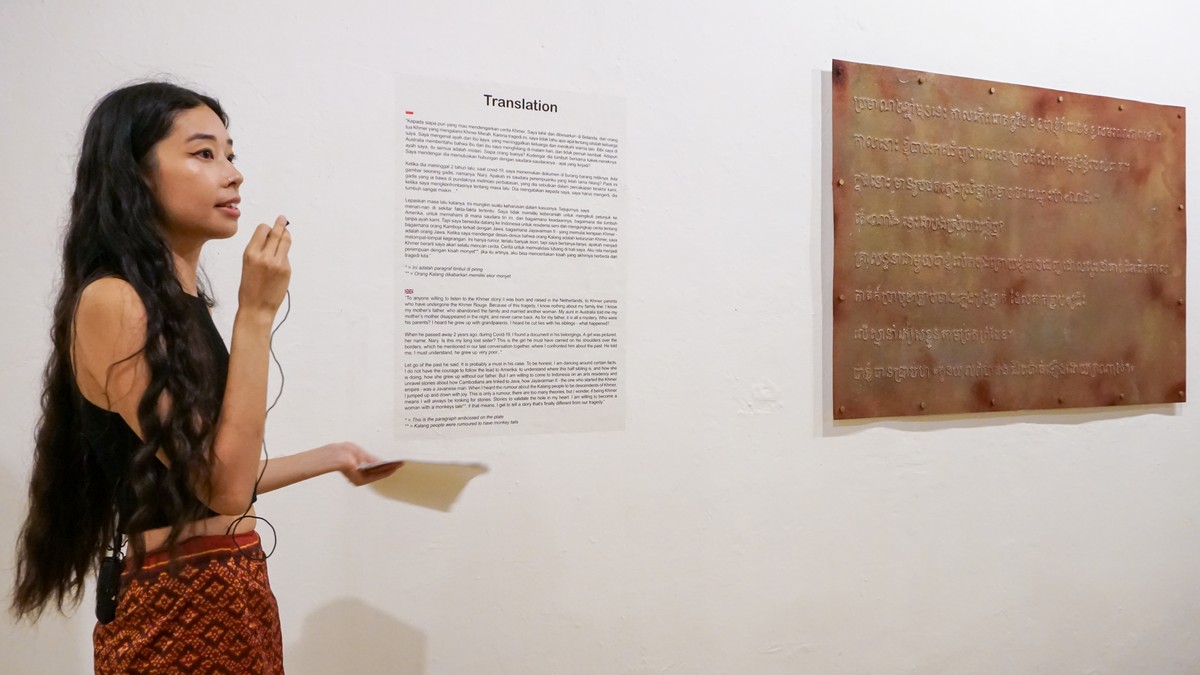
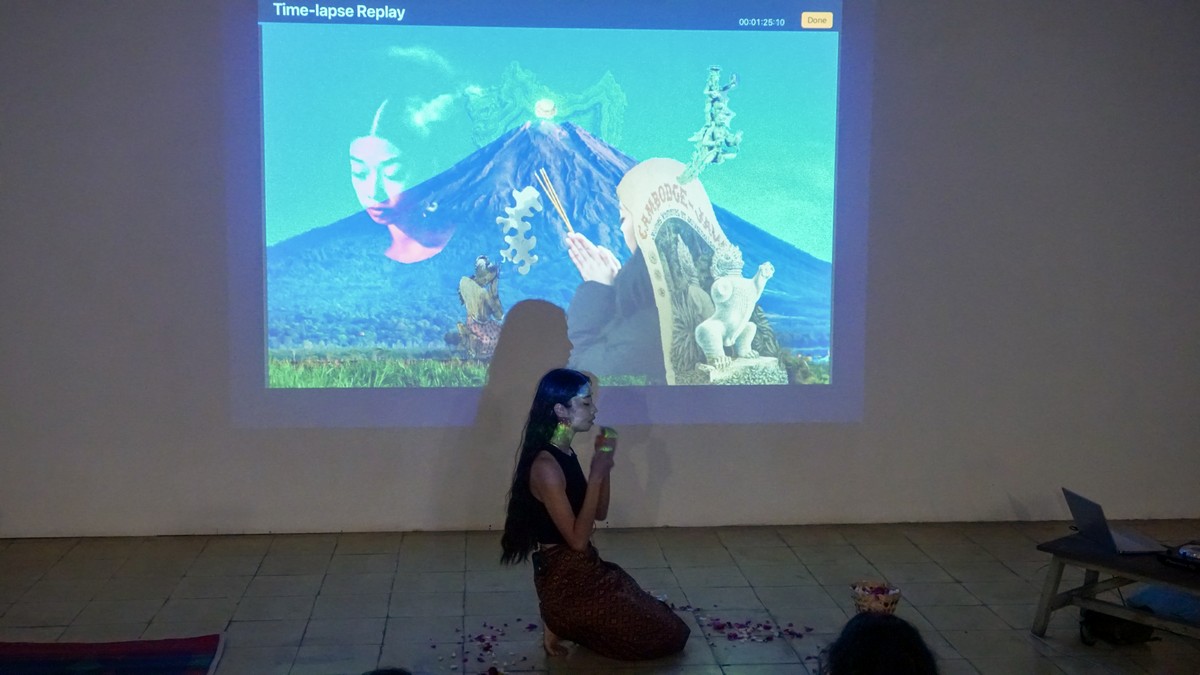
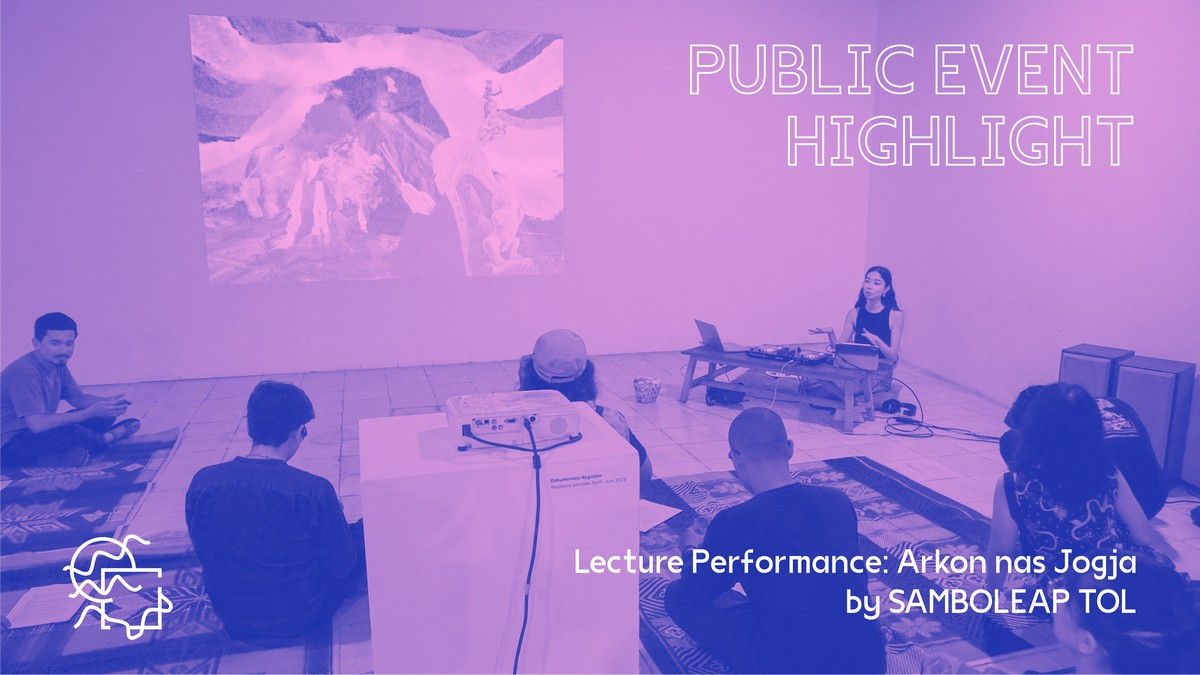
During the “Residency Program Period April-June 2023” opening, artist Samboleap Tol delivered a sonic lecture performance, sharing her experiences as a resident at Cemeti and her connection to Indonesian diasporic culture as a Khmer raised in the Netherlands.
In the first half of the lecture, she intertwined her personal family history as a Cambodian refugee with the experiences of other migrants in her context. She discussed growing up alongside third-generation Indonesians and Moluccans, highlighting the impact of increasing Dutch hostility towards people of color and those practicing the Islamic faith. Her testimony was poignant, revealing the devastating effects of Dutch racism on youthful aspirations and family dynamics. Throughout her narrative, she skillfully DJ’ed a fusion of Khmer Buddhist music (smot) and American hip-hop, while showcasing her extensive drawing practice and animations.
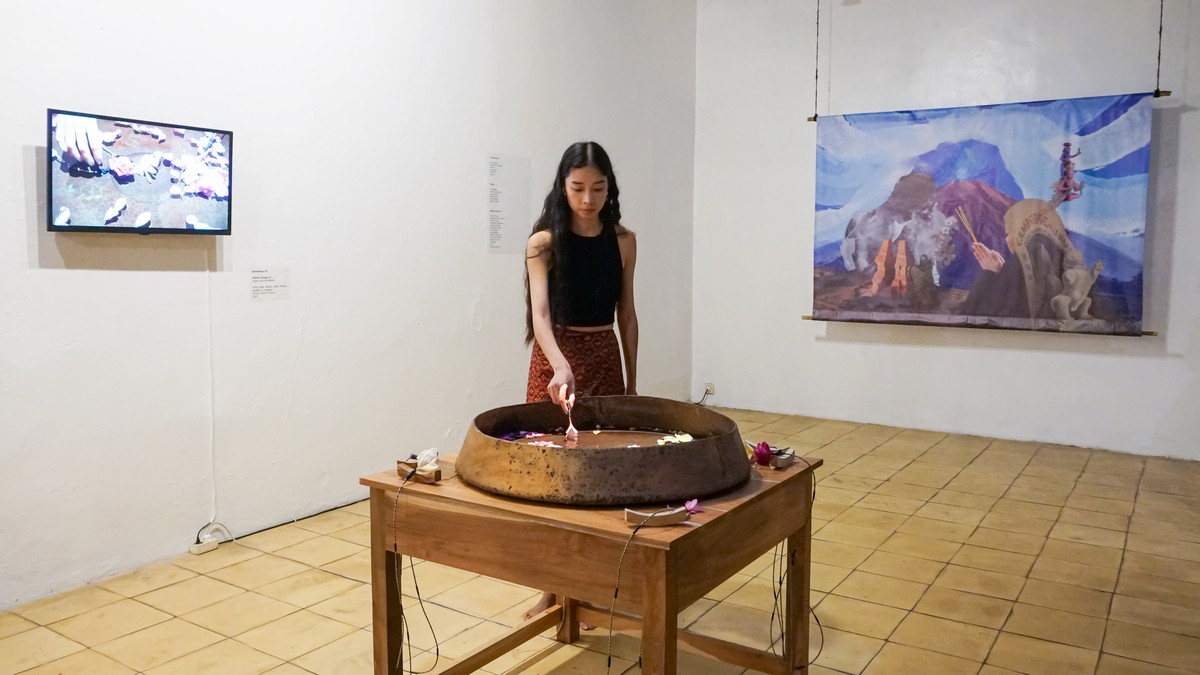
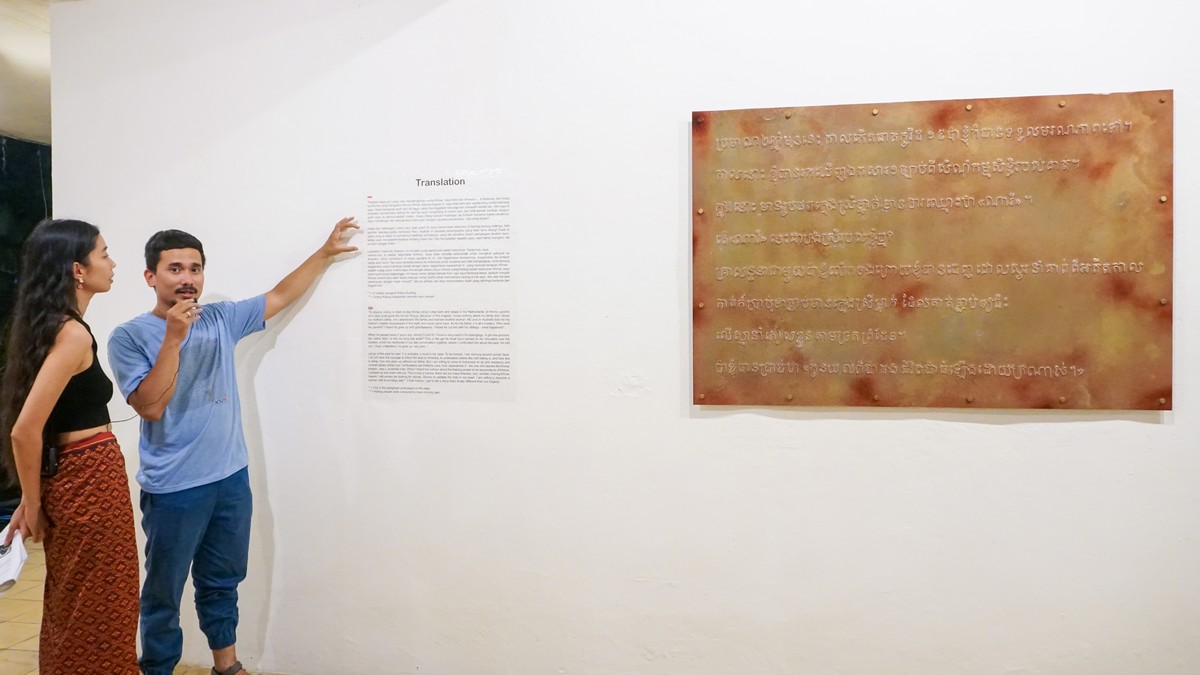
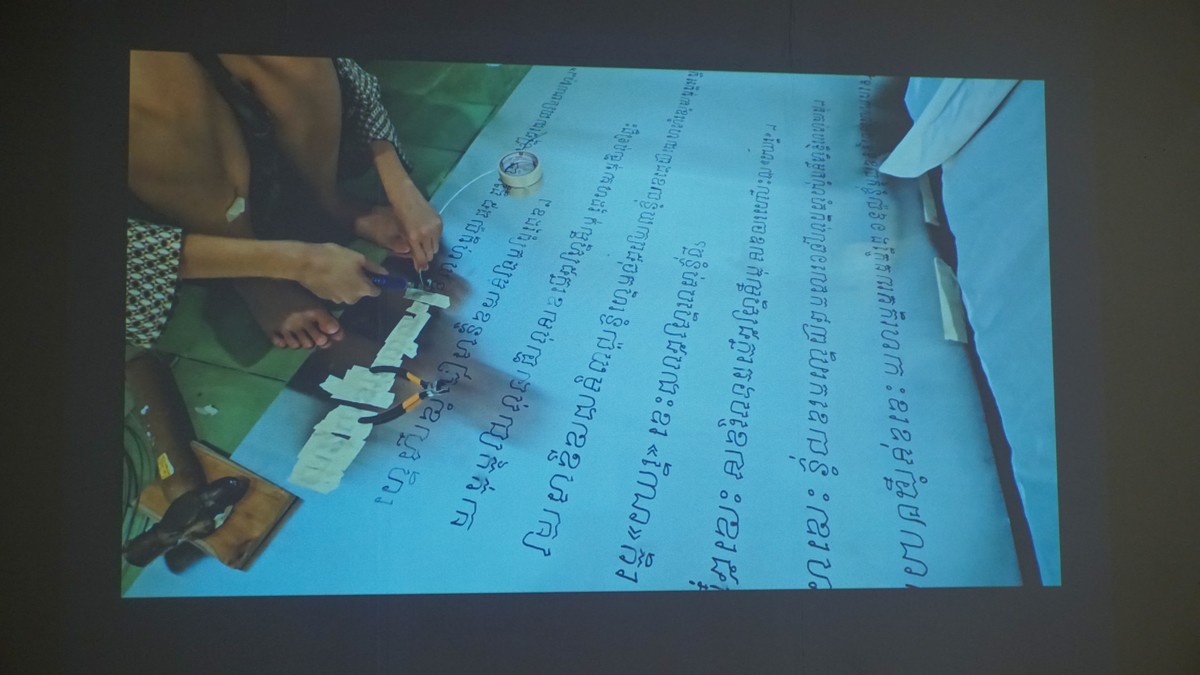
In the second half of the lecture, she provided insights into the creative processes behind the exhibited works. She explained the inspiration behind her haptic sound installation, “Dharma Songs v2,” which drew from traditional Javanese instruments, modern electronic DJ equipment, and Buddhist water blessing rituals.She also discussed the origins of “Tails of the Past,” an aluminum engraving that documented her personal history. After encountering an engraving with Old Javanese script at the Sonobudoyo Museum, which bore a striking resemblance to Khmer, she felt compelled to recreate it with the help of local artist Ramadhan Arif Fatkhur.
Collaboration is central to Sam’s artistic practice, and she expressed her gratitude to her main collaborators in the residency: bapak Ragil, mas Rama, mbak Mila, Yoga Efendi, Studio Akros, Pitou Keo, and the wider Cemeti team. She also thanked Ratu Rizkitasari Saraswati, Jerome, Micah Bournes, Jannat, Goosfw, and Phanie for lending their voices to her exhibition.
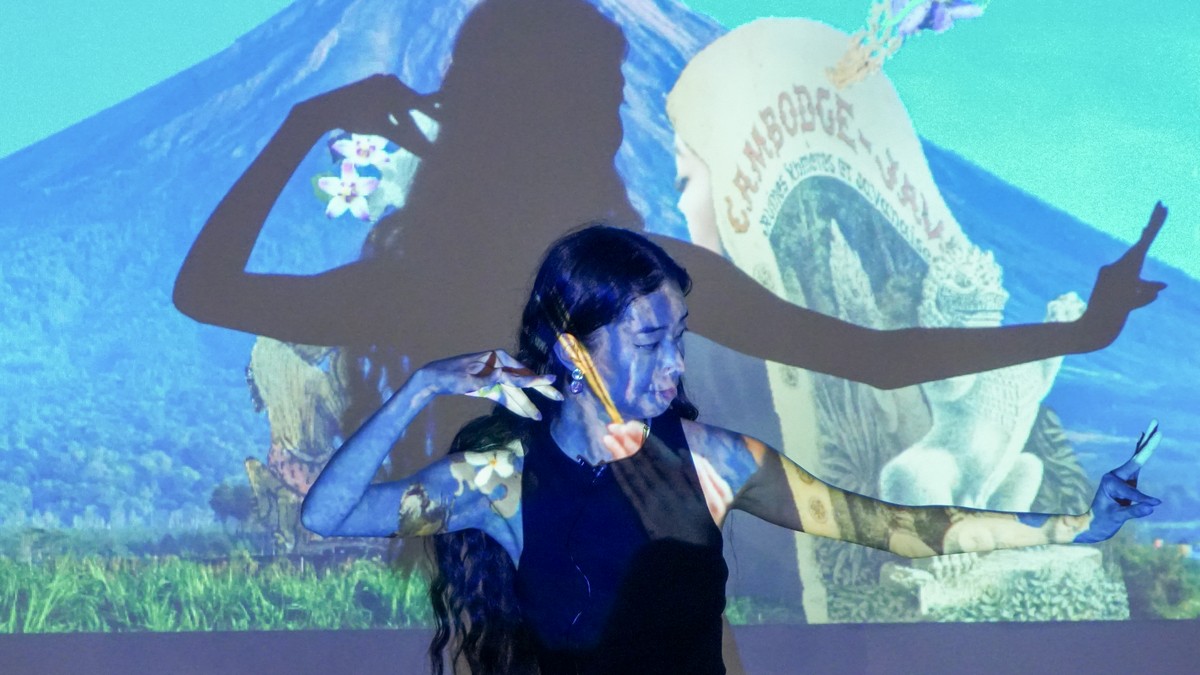
The performance concluded with a dance choreographed by Mila Rosinta, inspired by the engravings of Borobudur.