

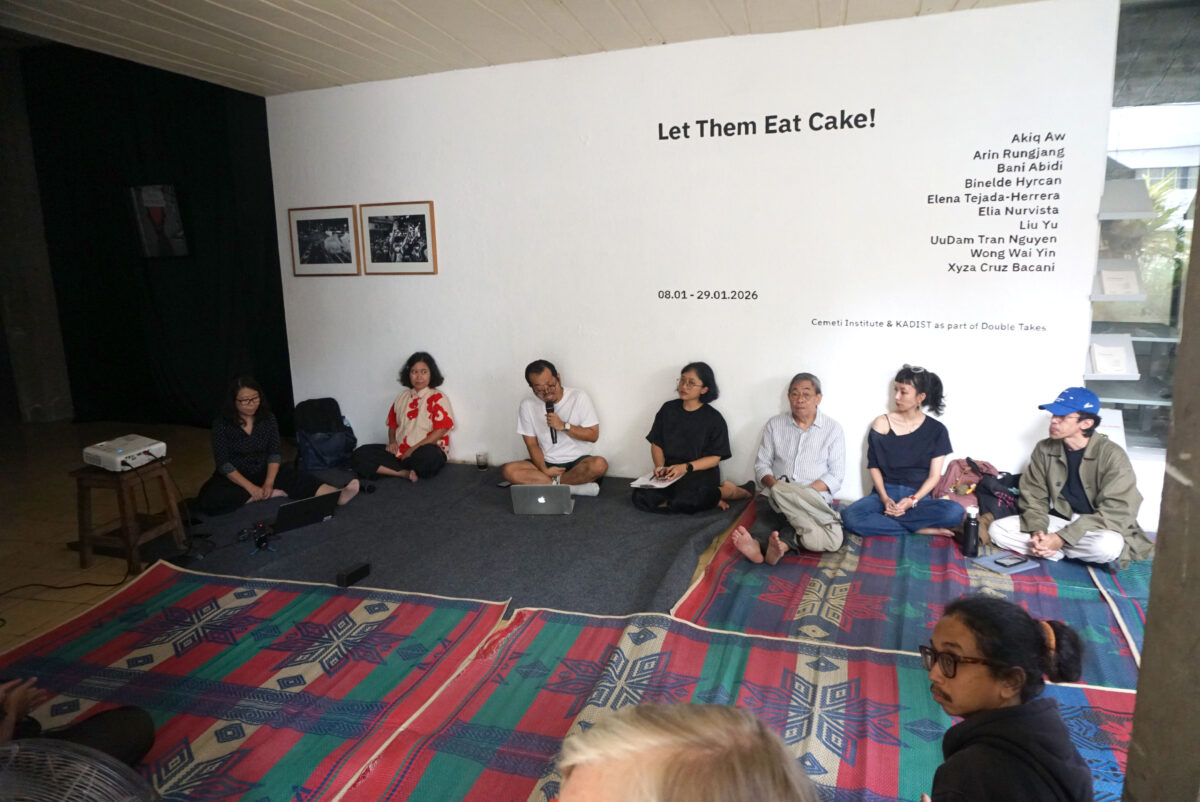
Public Talk: Things-in-common: Estetika, Benda, dan Politik Kehidupan Sehari-hari
Elia Nurvista, Roy Thaniago, Tintin Wulia
Wednesday, 21 January 2026
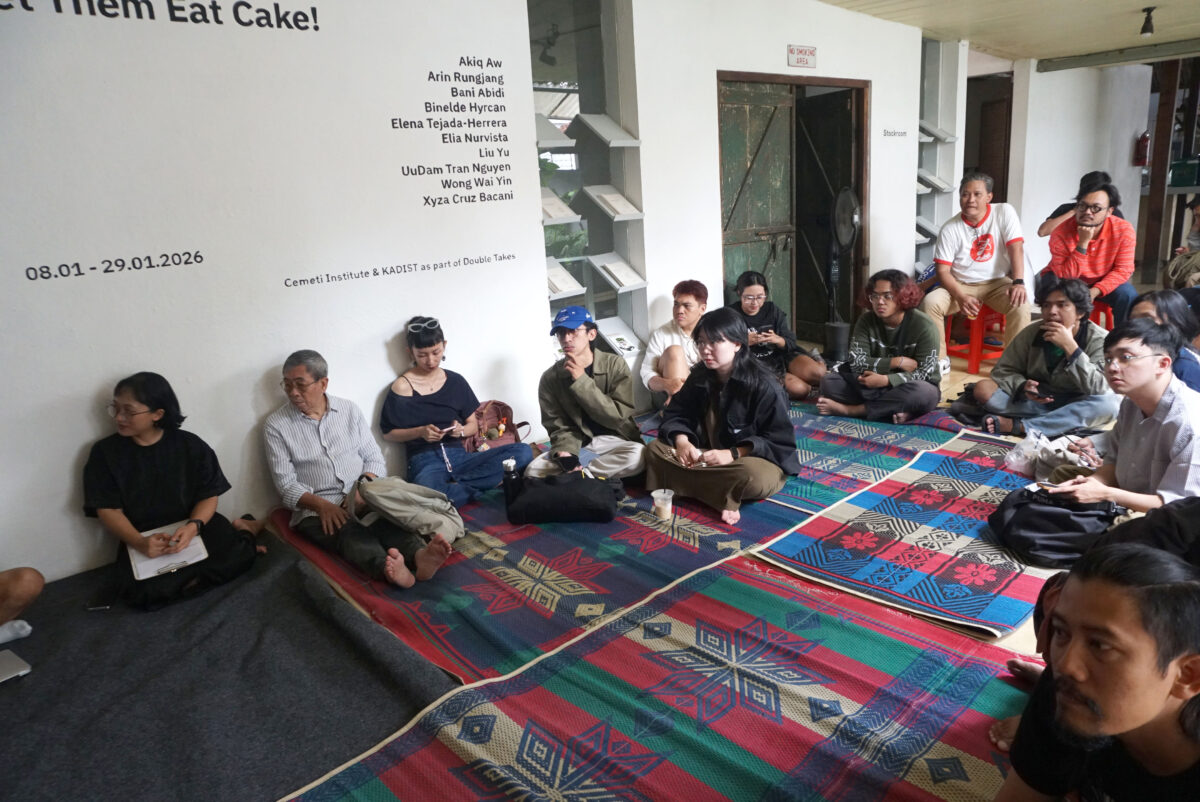
Wednesday, 21 January 2026 15.00 - 17.00 WIB
This public talk stems from a dialogue with the THINGSTIGATE (Things for Politics’ Sake: Aesthetic Objects and Social Change) research project funded by the European Research Council (ERC) and develops the concept of things-in-common to understand the role of objects and aesthetics in sociopolitical change.
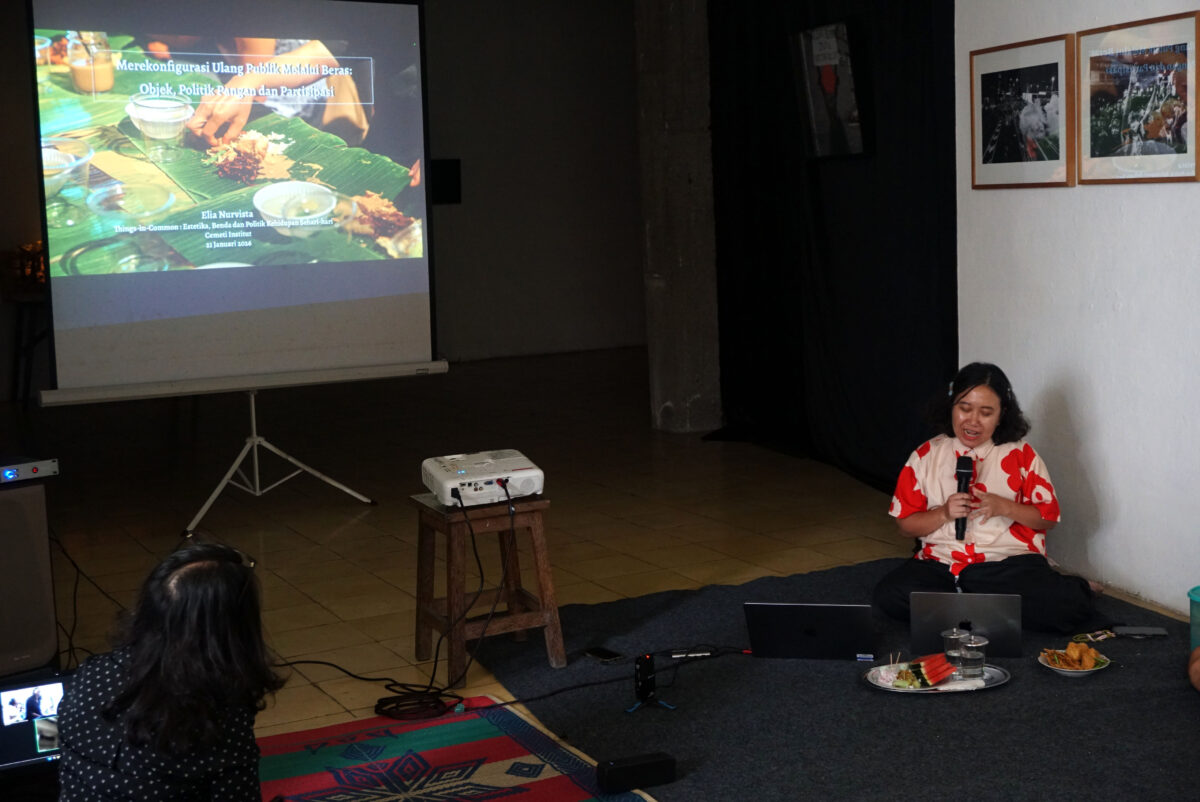
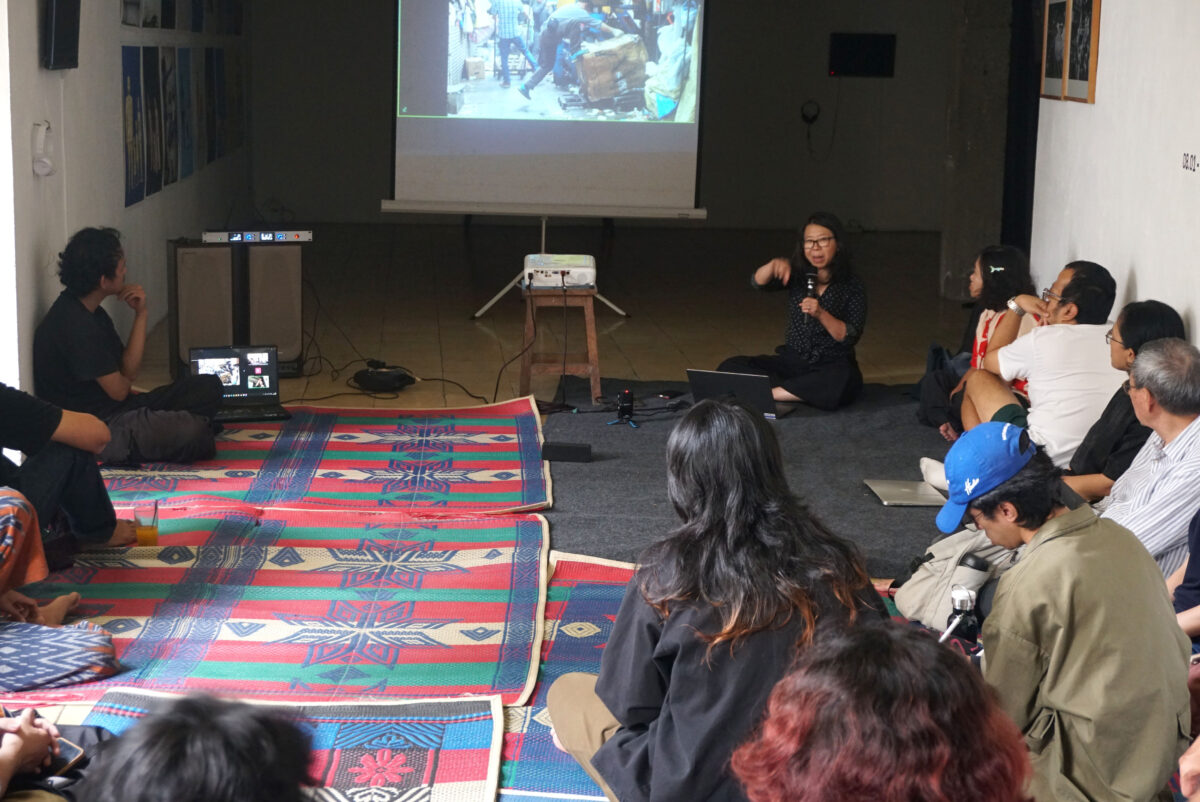
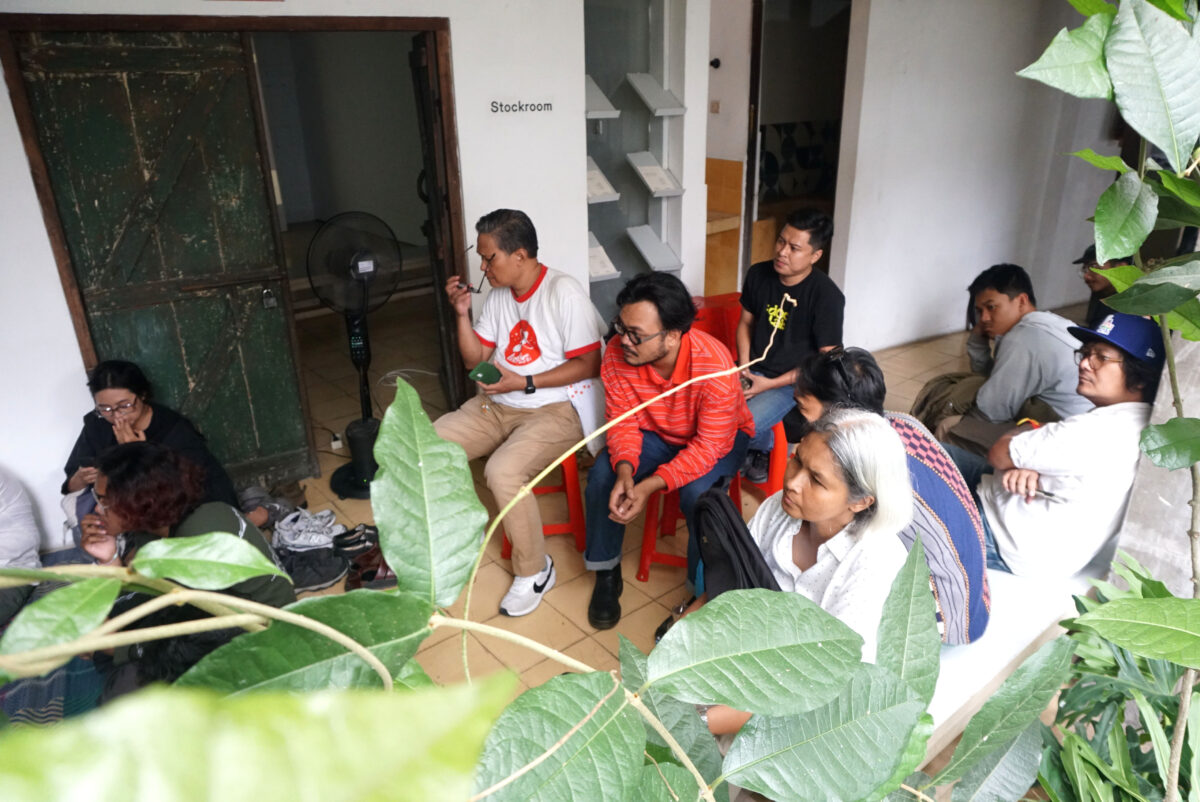
Three speakers—Tintin Wulia, Elia Nurvista, and Roy Thaniago—discussed how everyday objects such as legal documents, rice, and gold can become sites of encounter that, in tension, actually spark change. In the Indonesian context, these objects function not as stable symbols of togetherness, but as aesthetic mediators that disrupt perceptions, mobilize emotions, and reshape fragile social relations.
By positioning aesthetics as a counter-aesthetic force within the infrastructure of everyday life, this public talk invites us to discuss how common objects play a political role. Possessed by many but experienced unequally, these objects can shift—through aesthetic work—into things-in-common, opening up the possibility of a continually negotiated coexistence.
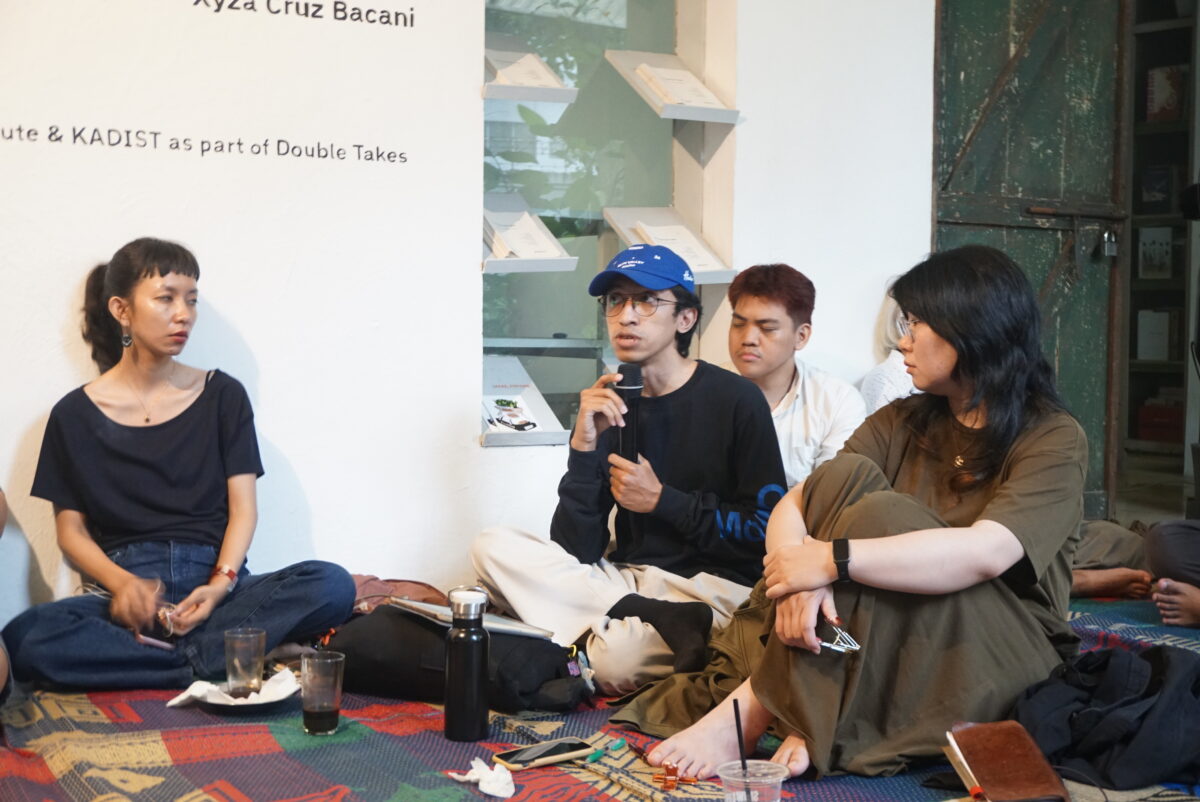
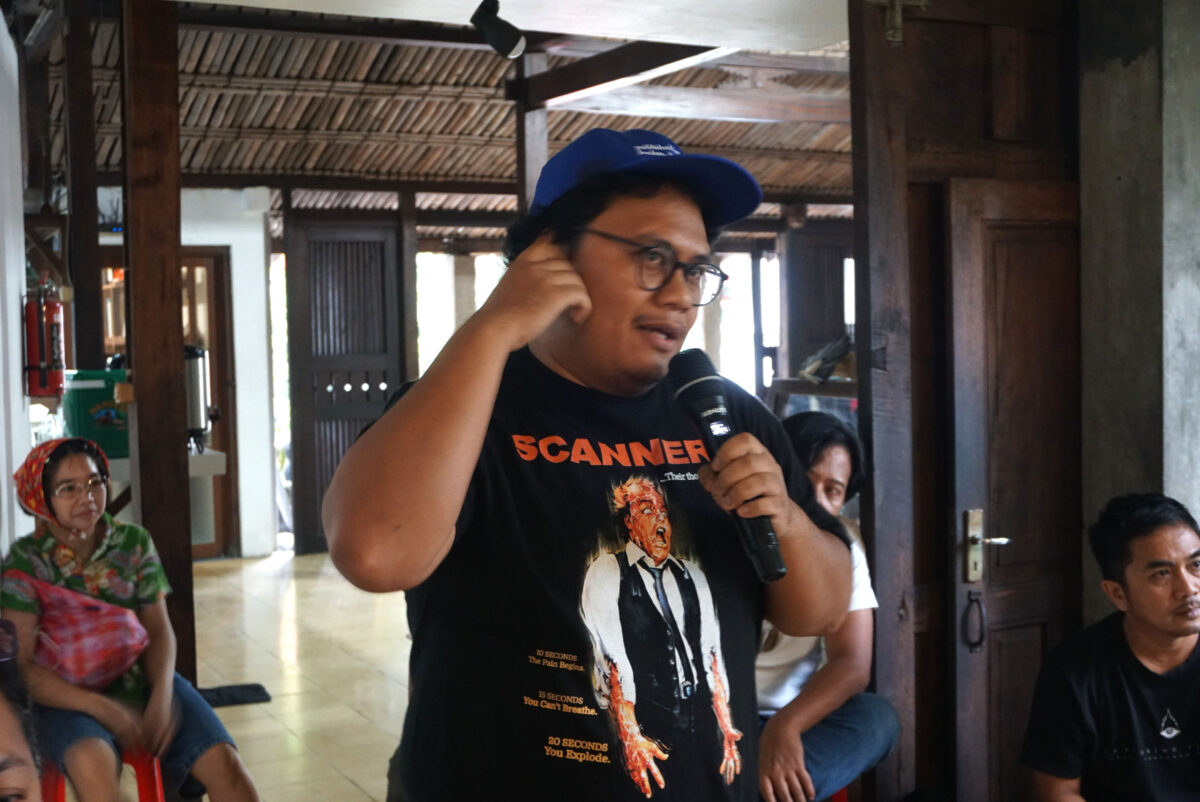
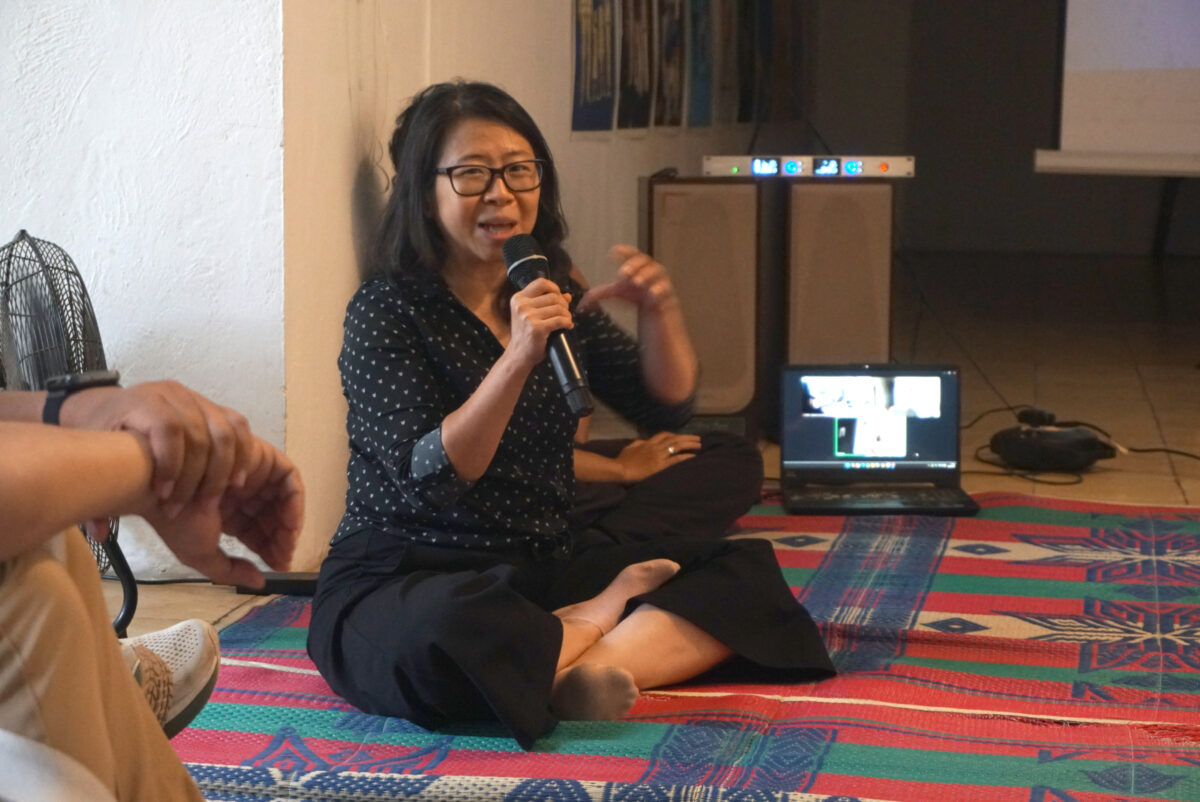
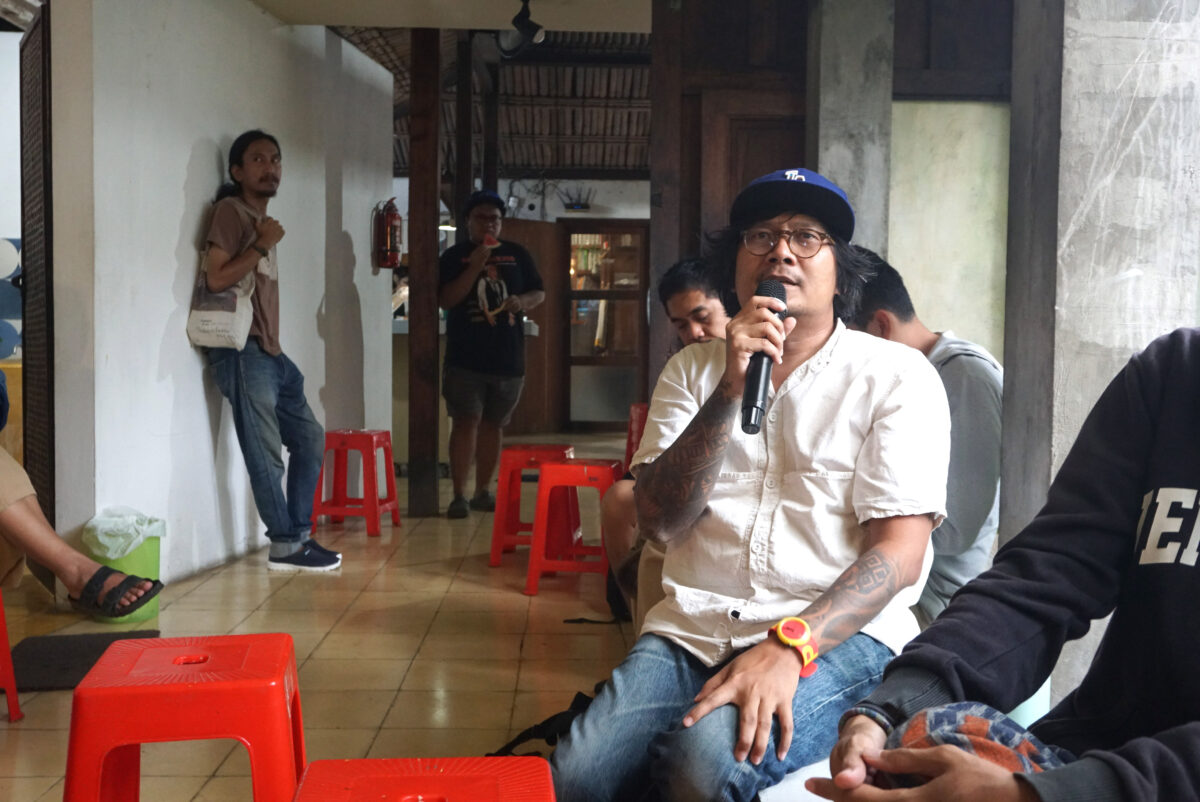
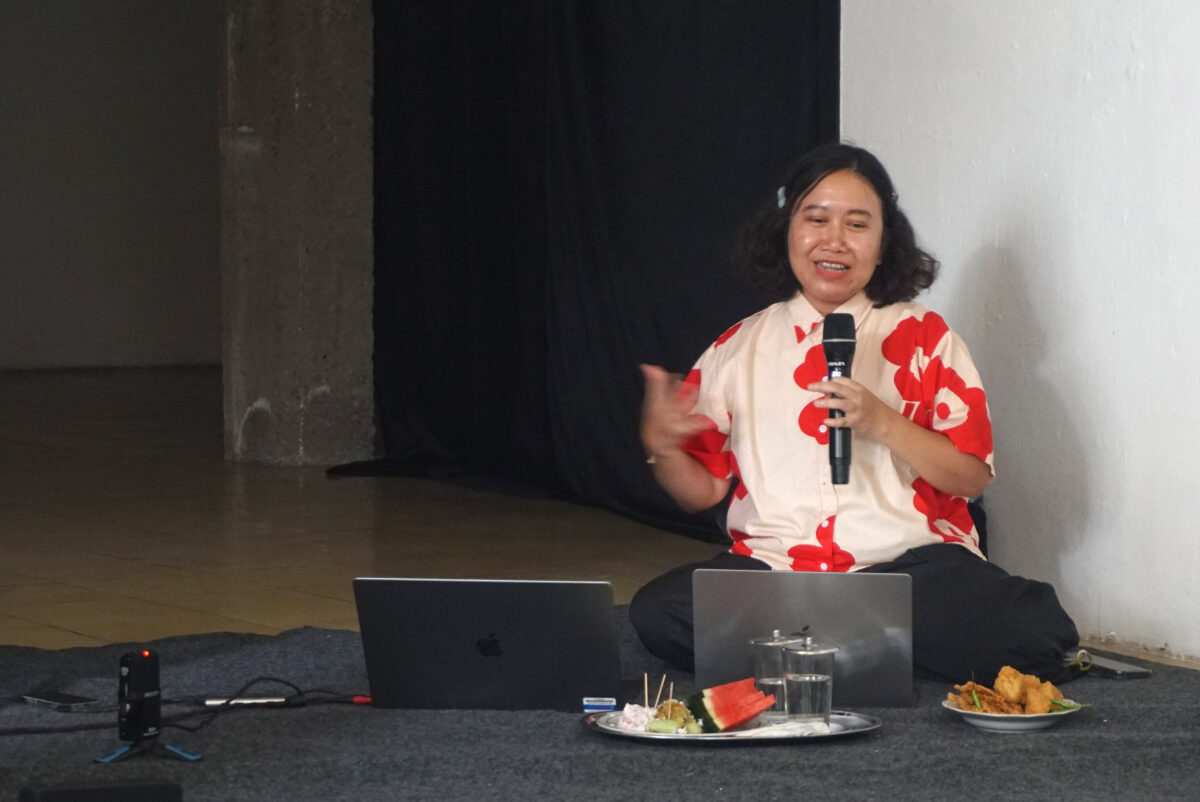
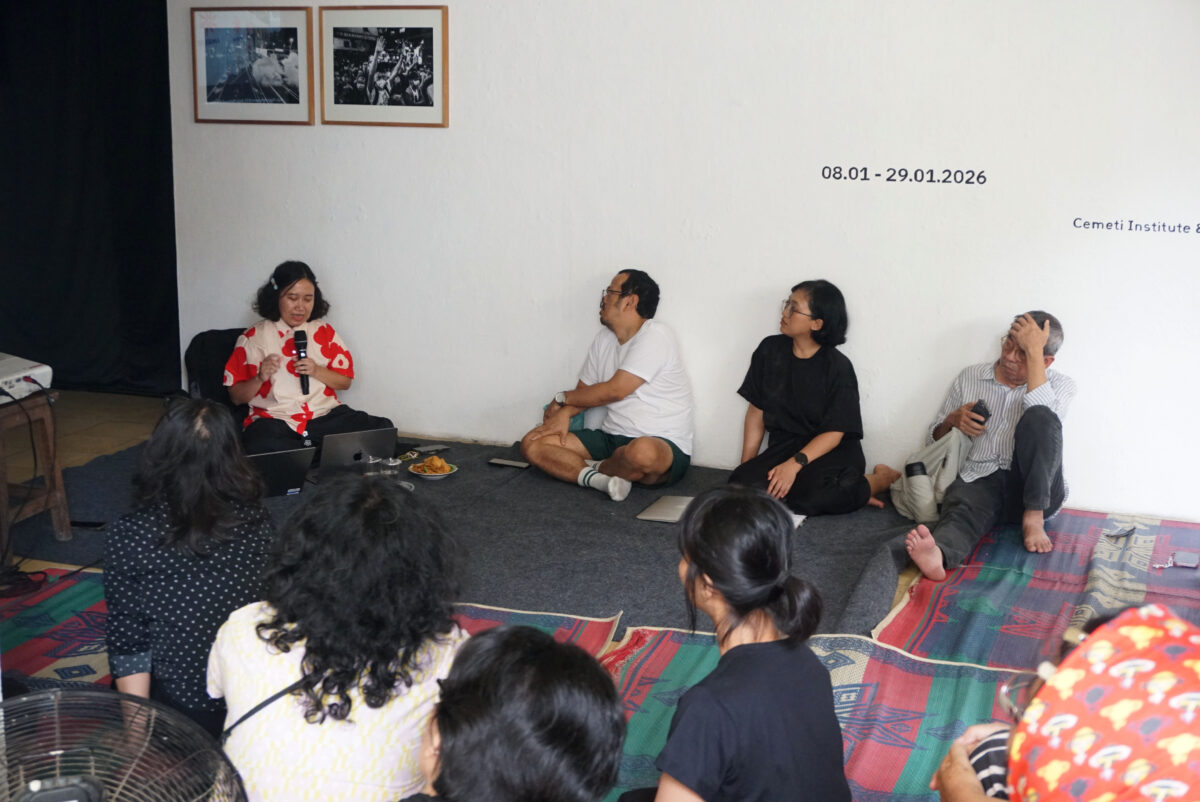
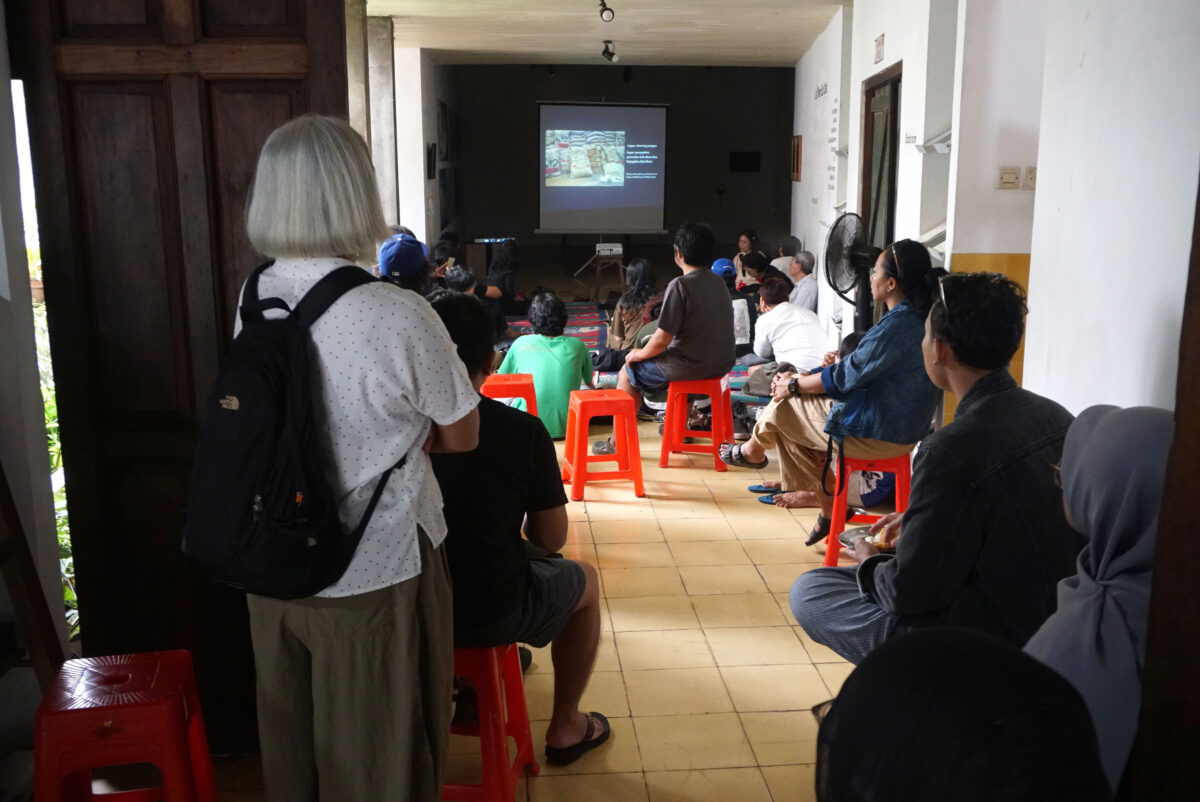
Documentation
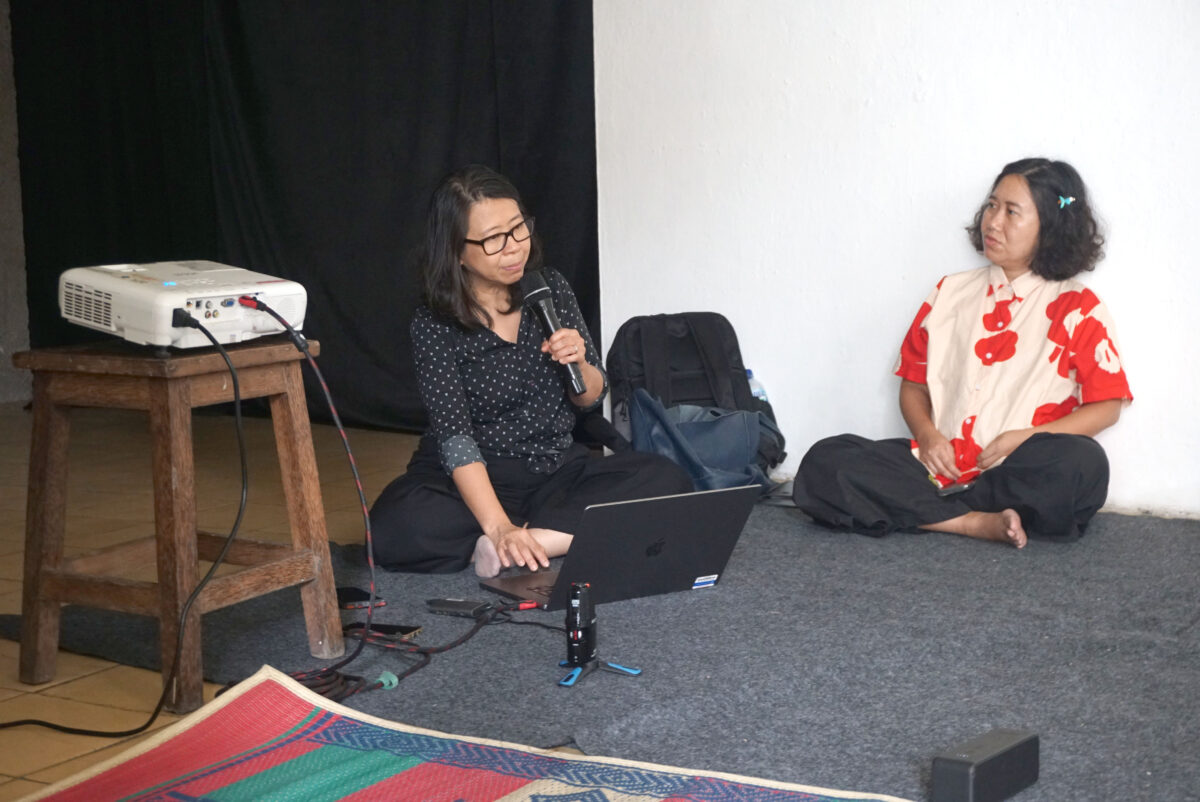
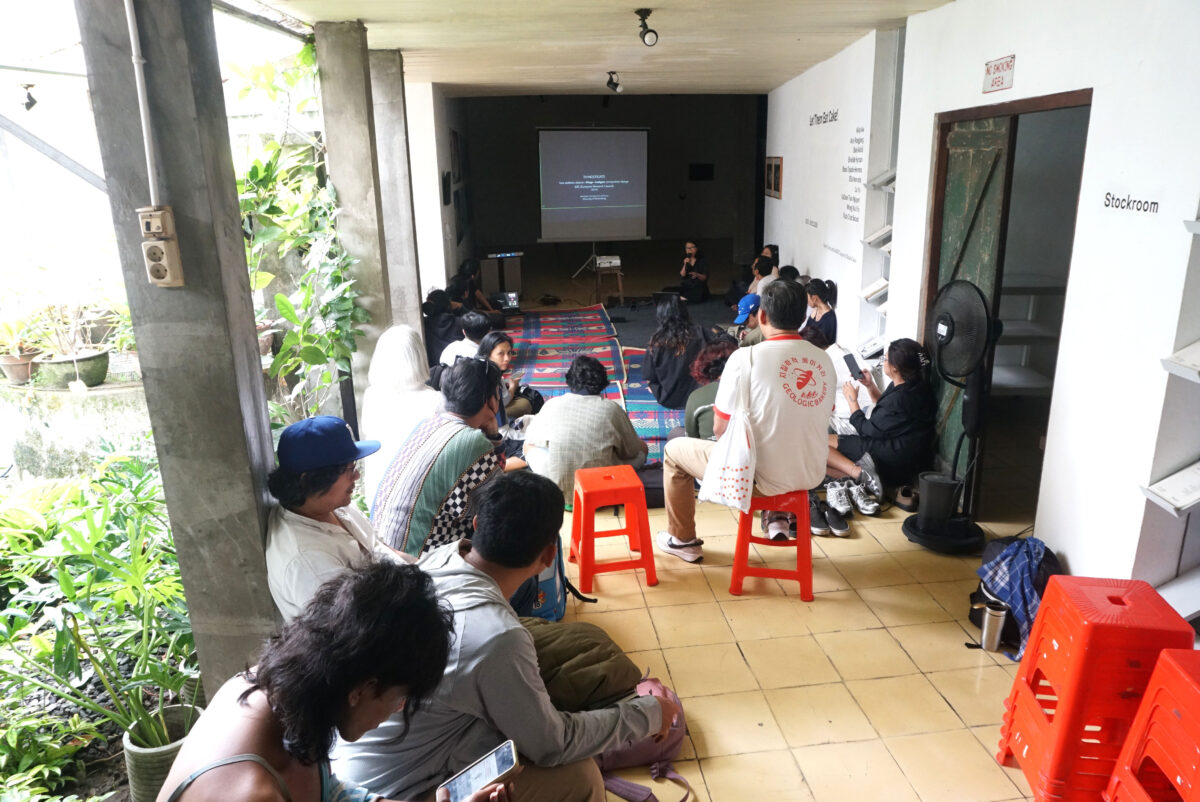
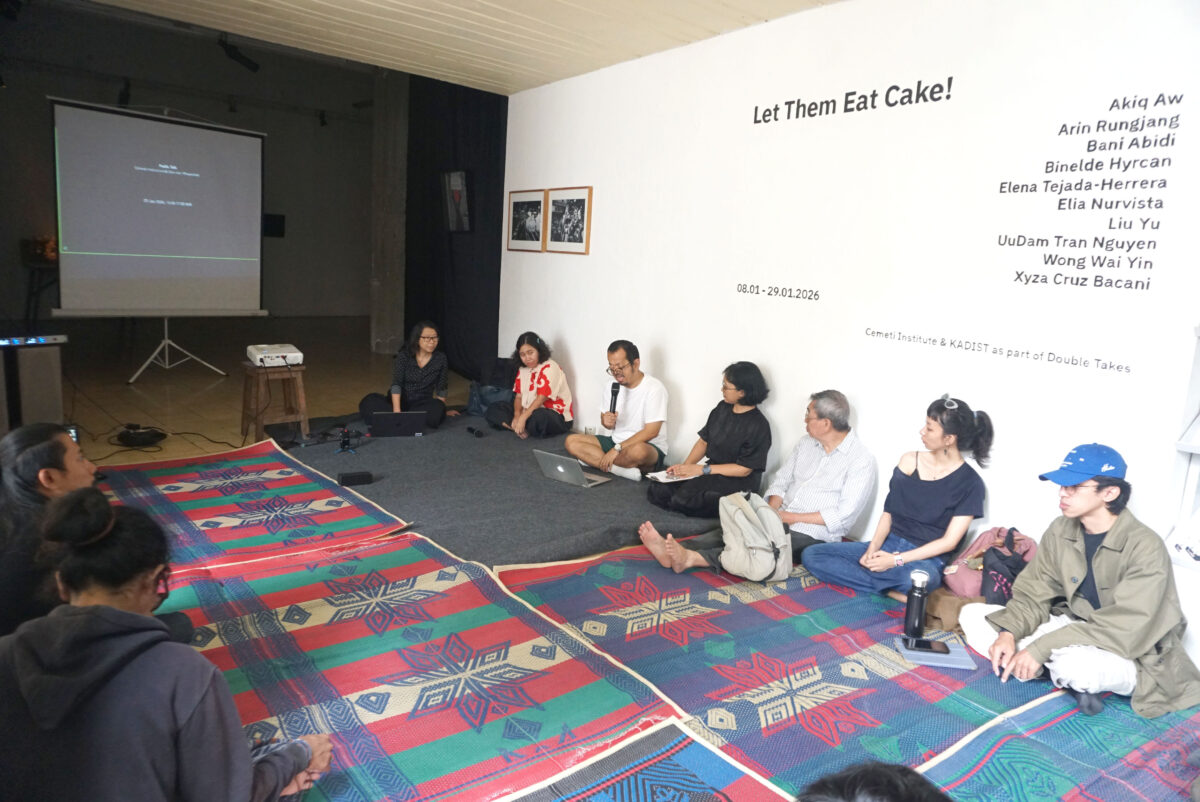
Biography
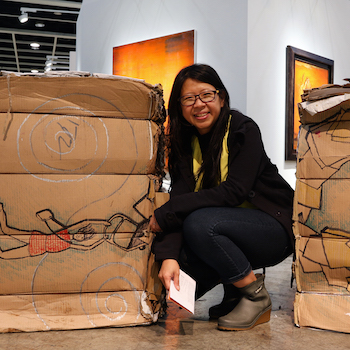
source: hydeparkart.org
source: artjog.id
Dr. Tintin Wulia is an artist and Senior Researcher at the University of Gothenburg. For over 25 years, he has studied the role of aesthetics in politics and society, with a focus on borders and state security. He has published extensively, including solo exhibitions at the 57th Venice Biennale (2017) and Hiroshima MoCA (2025), as well as a 2023 article in the Journal of Political Power.
Elia Nurvista is an artist who critically examines food politics to examine power relations, social hierarchies, and economic inequality. Through various media, he explores the socio-political implications of food systems. In 2015, he co-founded the Bakudapan Food Study Group and, in 2025, received the Villa Romana Prize and a fellowship with the Max Planck Institute in Florence.
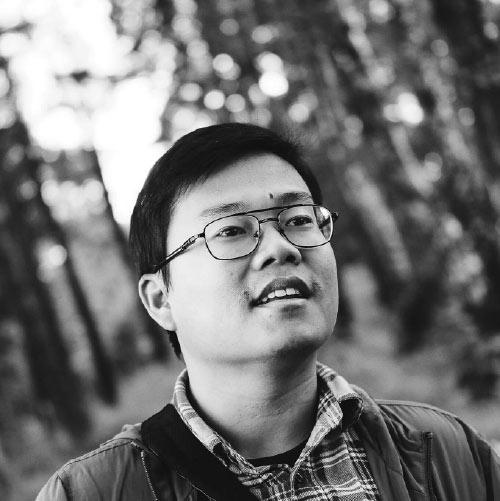
Roy Thaniago is a doctoral candidate in Anthropology at the Geneva Graduate Institute, Switzerland. His doctoral research examines how the gold trade in Makassar, materially and affectively, enabled coexistence between ethnic groups with antagonistic pasts. He has been a visiting researcher at INMIX, Universitat Autònoma de Barcelona and director of Remotivi, a media research center in Jakarta.
source: remotivi.or.id