

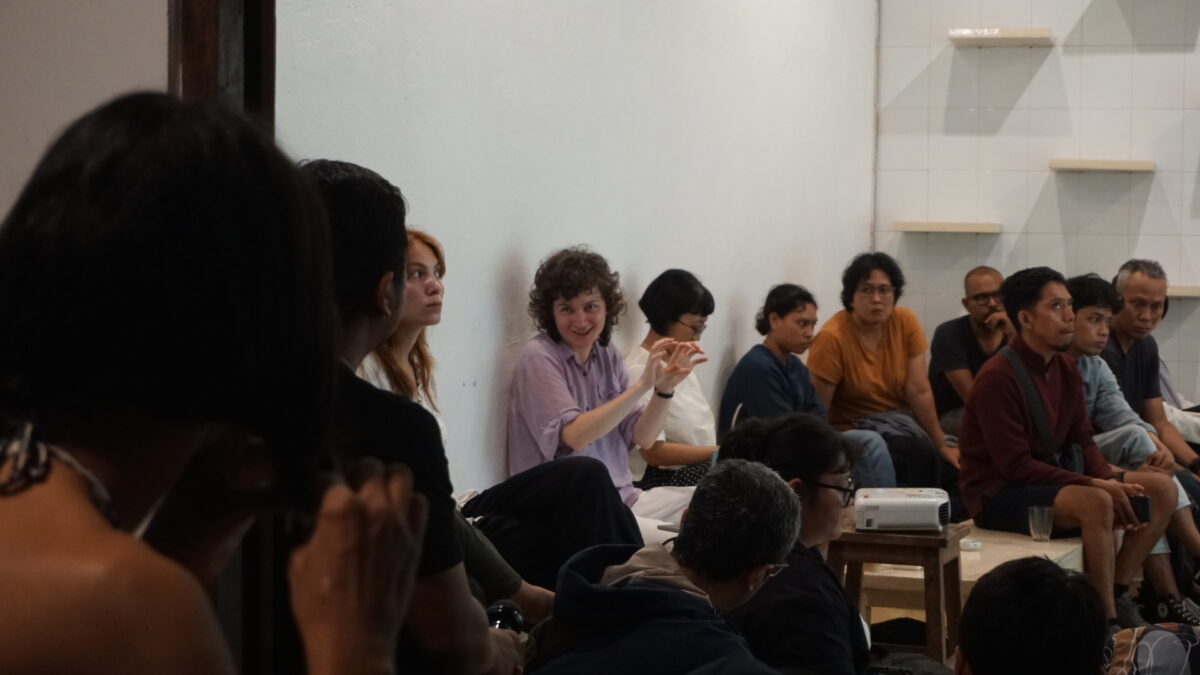
Learning Nearby: Paoletta Holst
Paoletta Holst
Wednesday, 12 June 2024
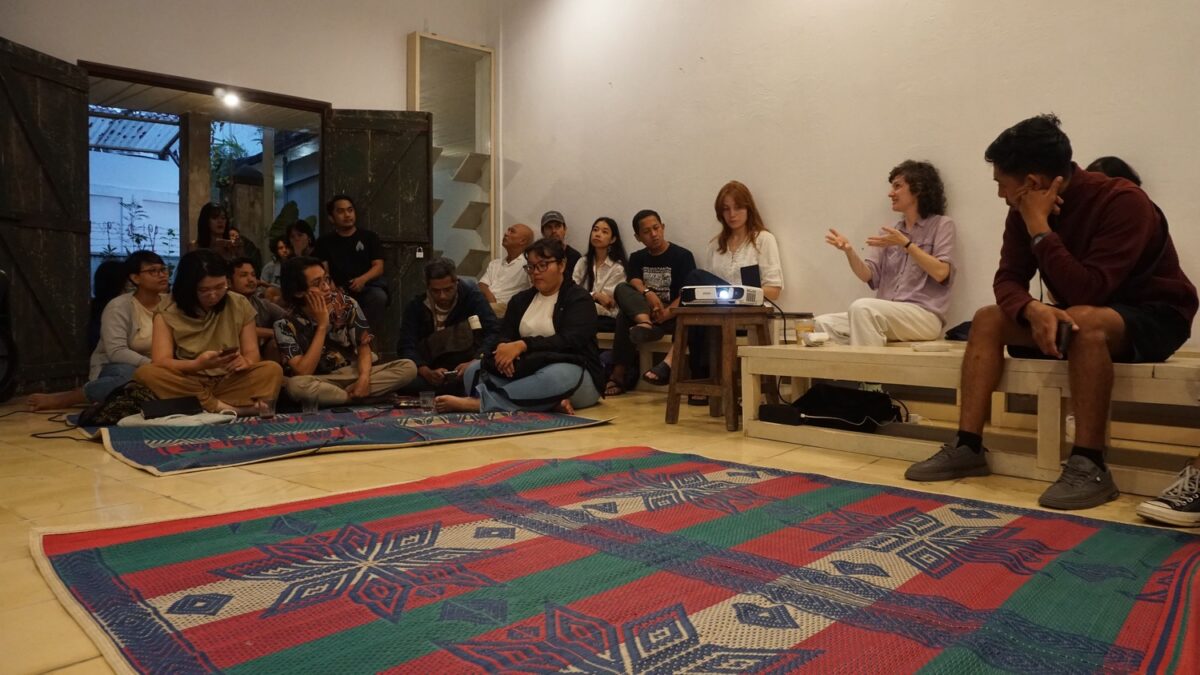
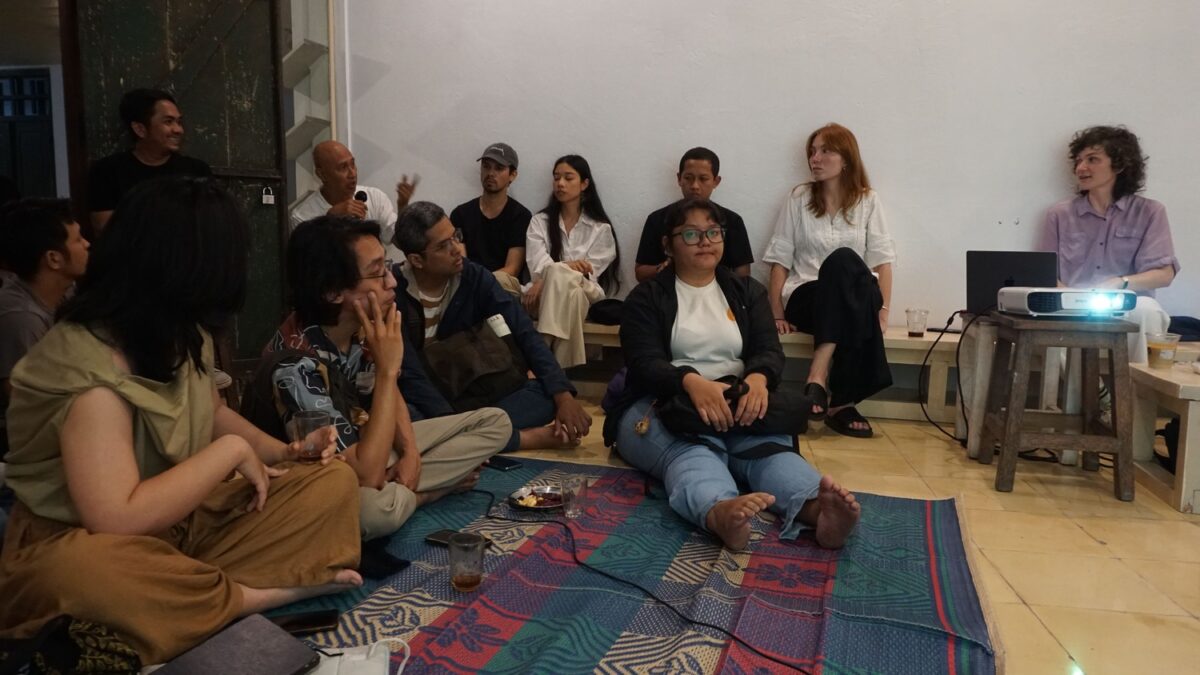
“Dissecting The Colonial House”
Wednesday, June 12th 2024
16.00 – 18.00 WIB
Paoletta Holst’s PhD project is a significant exploration of how cultural and moral values, deeply ingrained in colonial society, shaped the very fabric of architecture, domestic space, and ways of living. Her research, a unique blend of artistic practice and collaborative workshops, delves into the micro-narratives of spatial detail, organization, and use, critically mobilizing the colonial archive.
The Dutch colonizers in Java left a lasting imprint with their persistent ideas on how to adapt to the tropical environment. In Dutch handbooks and advice manuals from the first half of the twentieth century, for example, descriptions of how to live in colonial Indonesia are centered around the inhabitable house as a critical feature of maintaining a modern and European lifestyle in a foreign environment. Sections devoted to hygiene practices for preserving health, energy, and morale in the tropics make explicit the relation between personal habits, ways of living, and morality.
In line with the latest developments in medical science, the colonial house’s architecture was open and directly related to the outdoors to keep spaces hygienic, ventilated, and cool. However, this spatial openness or porousness —i.e., the thin walls, open windows, large galleries/verandas, and airy open rooms— resulted in a lack of privacy and installed rigid forms of social control. In order to keep up white prestige and to make sure Europeans would not ‘degenerate’ to local ways of life, these forms of control were dramatically exposed in the domestic environment of the colonial house where moral Dutch preoccupations about race, class, and gender were confronted and negotiated through daily interactions and/or frictions with native servants.
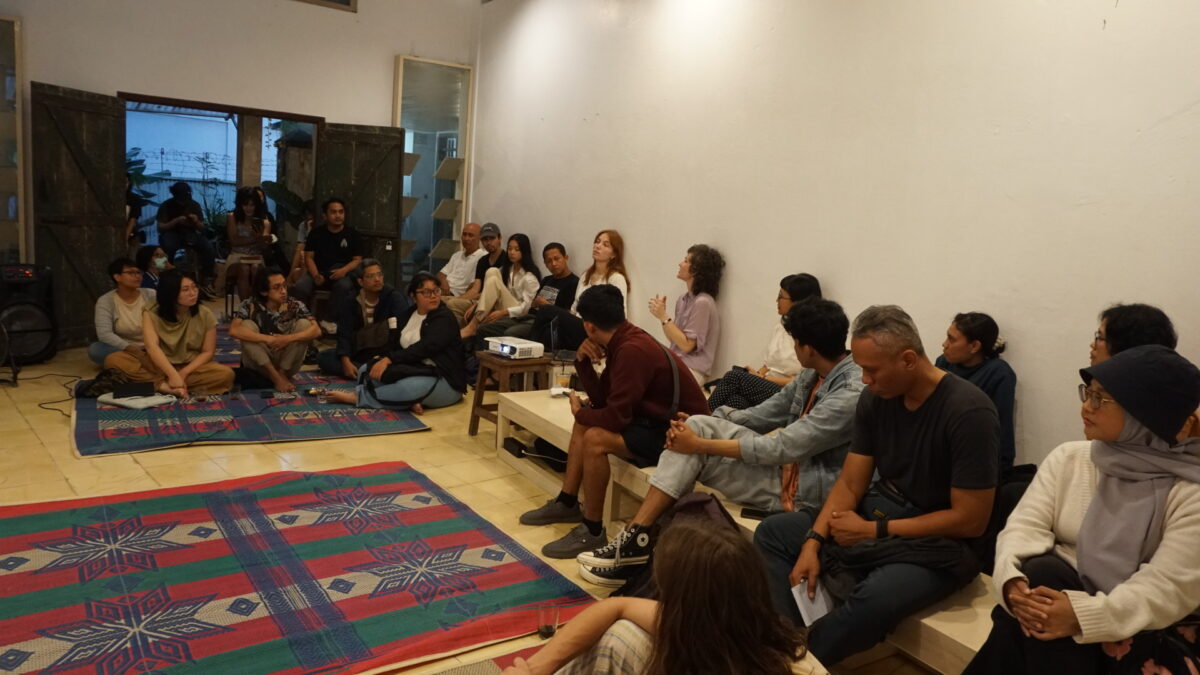
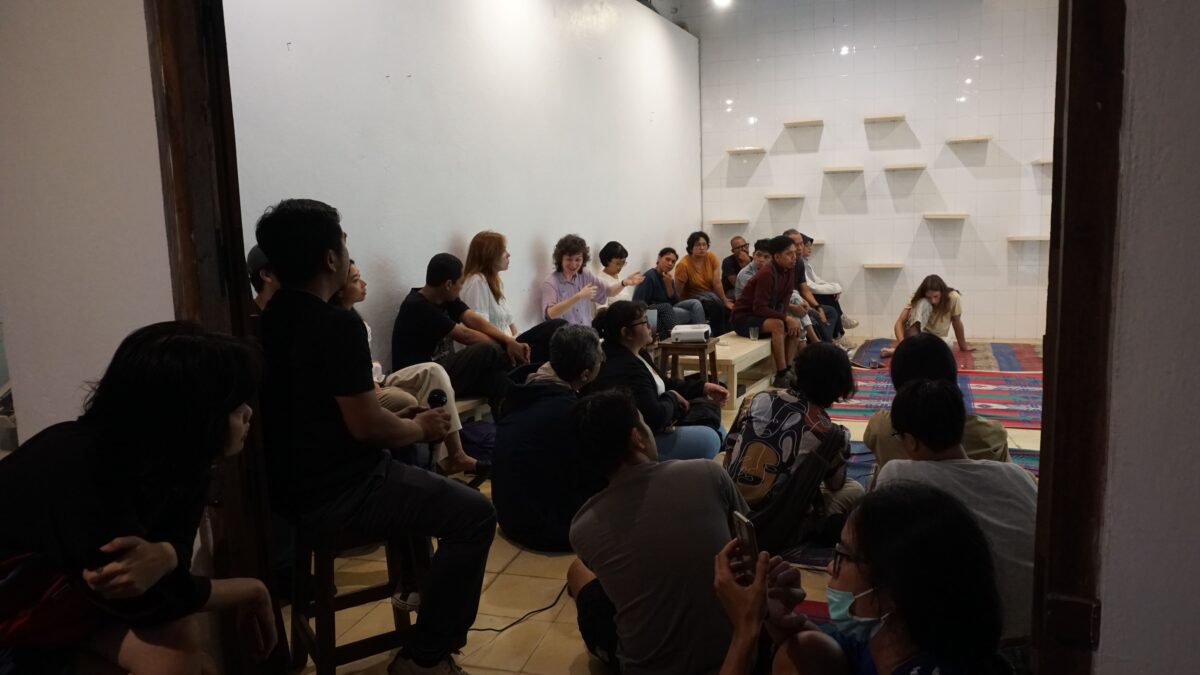
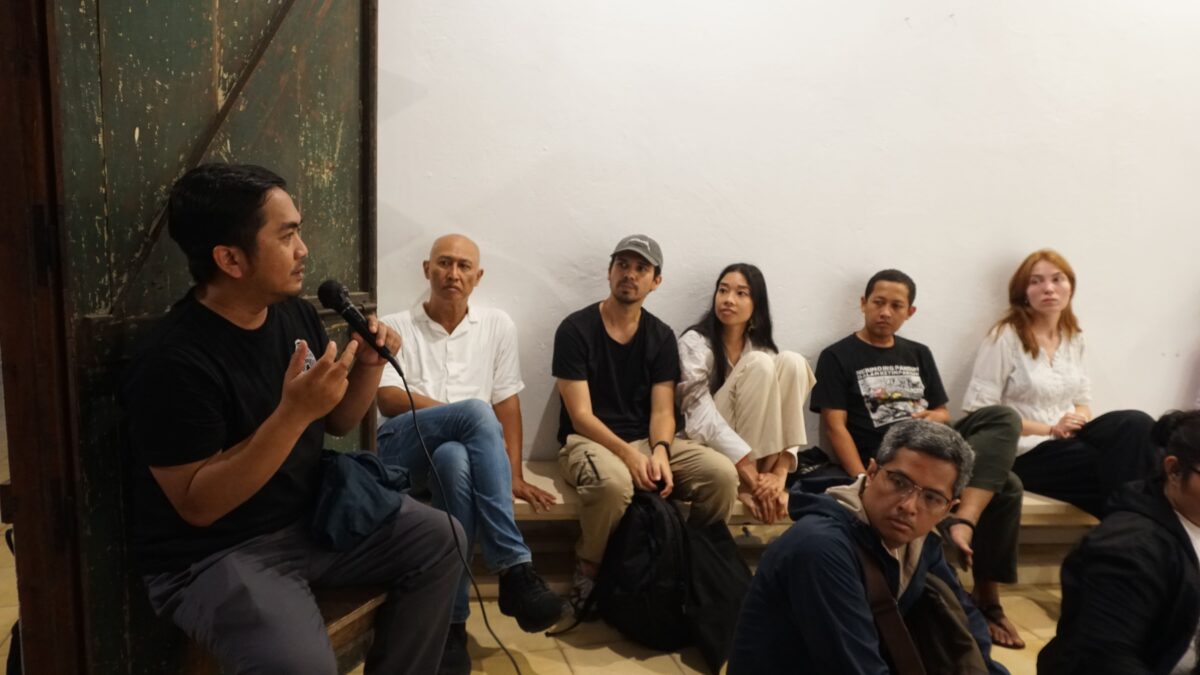
Documentation
Biography
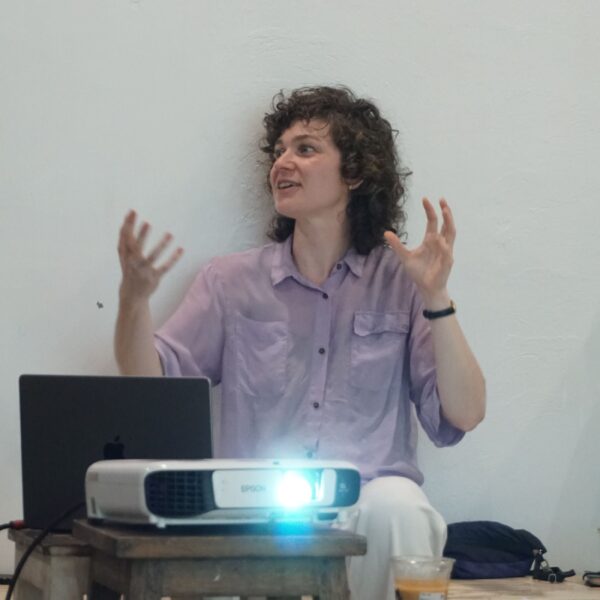
Paoletta Holst (she/her, NL, 1985) is an artist and architectural historian based in Brussels. Her practice operates at the intersection of different disciplines to investigate the social, historical, and political dimensions of architecture and the urban environment. Her work is based on artistic/architectural research and adopts different media, such as writing, mapping, photography, film, and installation.Since March 2022, she has been a PhD candidate at Ghent University, Department of Architecture and Urban Planning. Her PhD research focuses on late colonial architecture and domestic cultures in Java, Indonesia, through an artistic mobilization of the ‘colonial archive.’ In collaboration with different people, she has worked on projects related to the colonial history of Indonesia. In 2019, she participated in the 900mdpl biennale in Kaliurang, Indonesia, resulting in the publication What Bungalows Can Tell (Onomatopee, 2021), co-authored by Mira Asriningtyas and Brigita Murti. Together with Paolo Patelli, she developed an archival research project rethinking the ‘logic’ of the colonial Tillema Collections resulting in the workshop program Menyunting Arsip/Editing the Archive at Gudskul, Jakarta (2022), an exhibition at Het Nieuwe Instituut, Rotterdam (2022) and an artistic film/documentary (forthcoming 2024).