

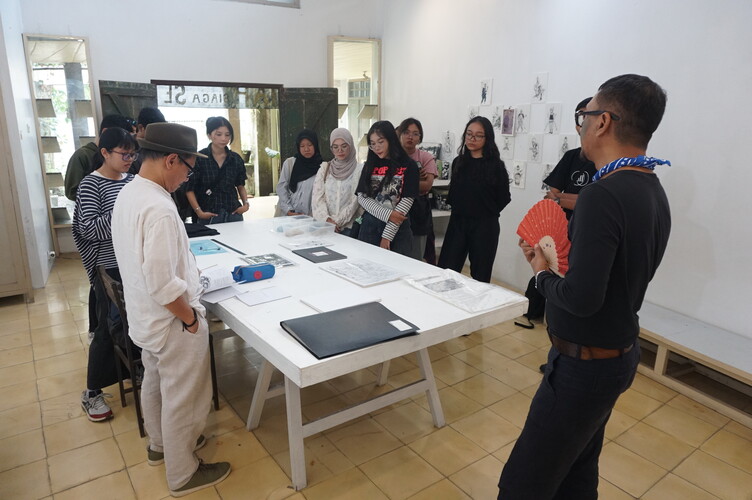
Open Studio: Agung Kurniawan
Agung Kurniawan
18 April – 24 May 2025
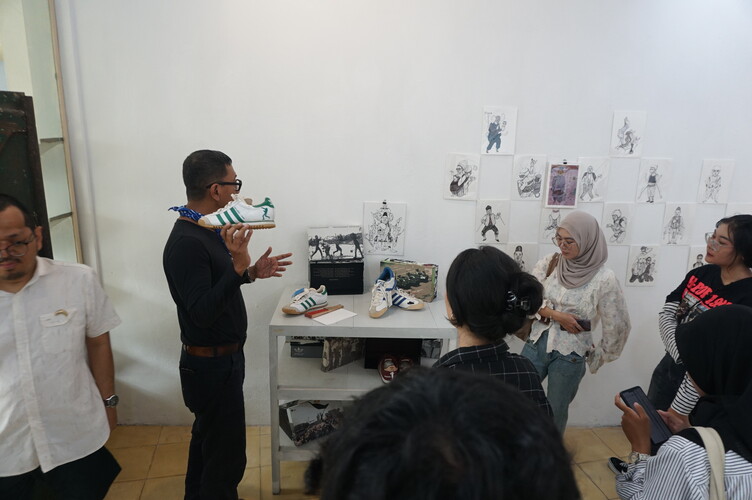
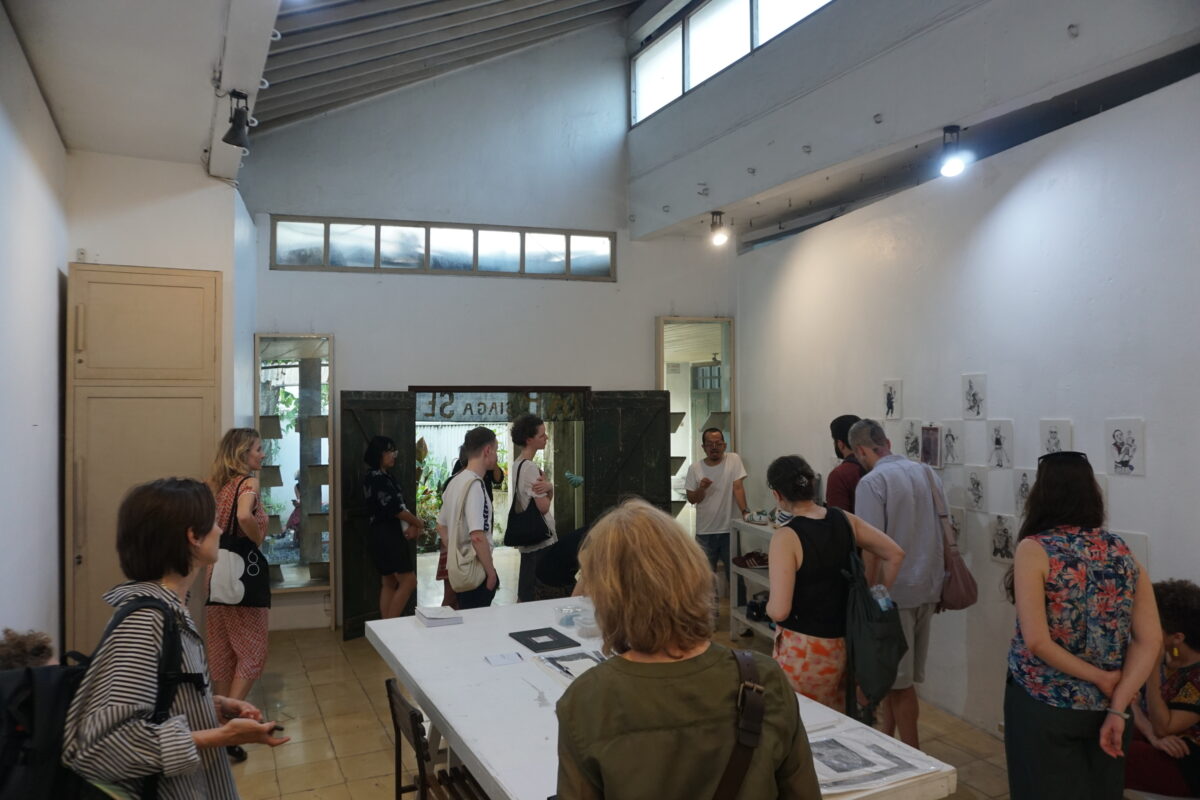
“Mendaya Guna Peran Seni di Era Multifungsi Militer dan Plutokrasi serta Mengkaji Dampaknya bagi Perkembangan Ekosistem Seni yang Mandiri dan Berkelanjutan“
Drawing is a record. It holds a role and responsibility, much like writing in a diary.
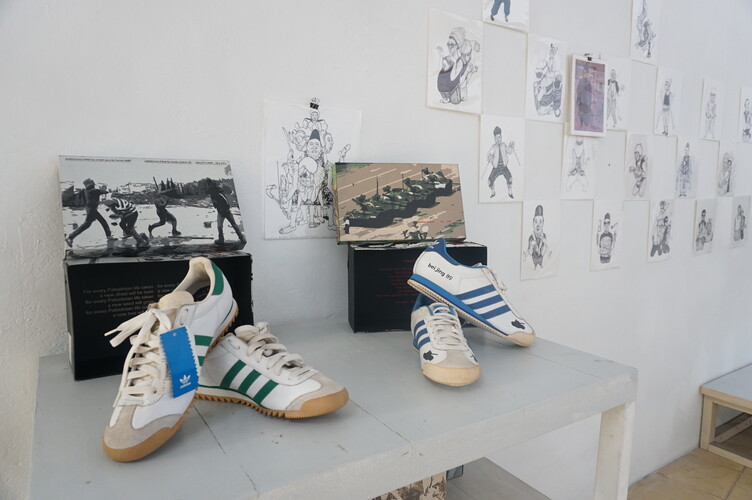
The line, which is the essence of both image and script, might exist precisely because of that. Its simplicity and sublimity are the antithesis of other, more complex art forms—this is its added value and inherent strength. A drawing’s ability to transform and take shape across a multitude of media is a manifestation of its very simplicity. It is a tool for expressing rejection, denial, and even condemnation directly and swiftly.
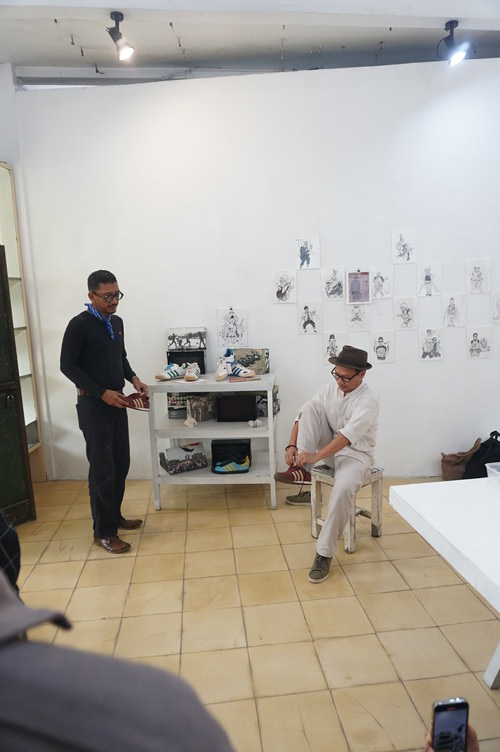
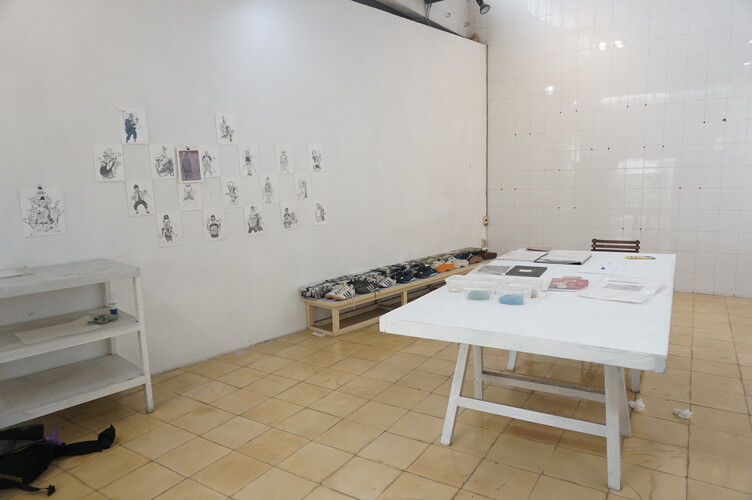
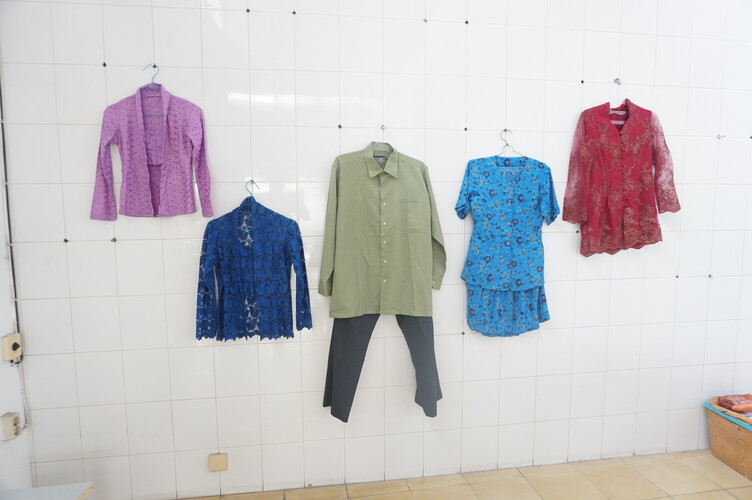
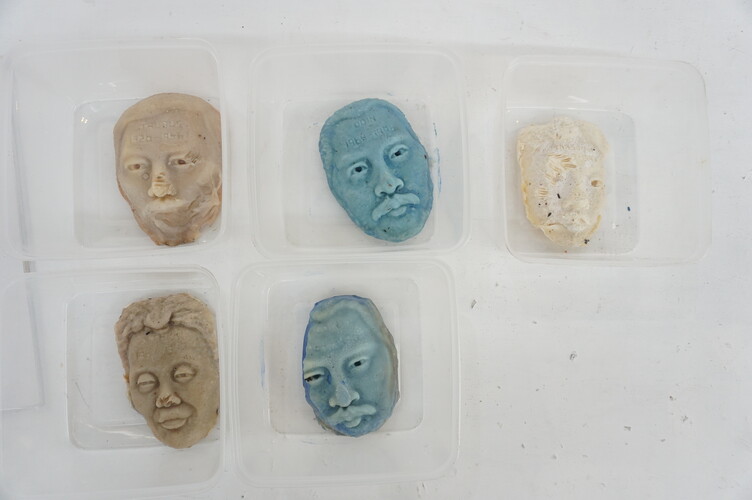
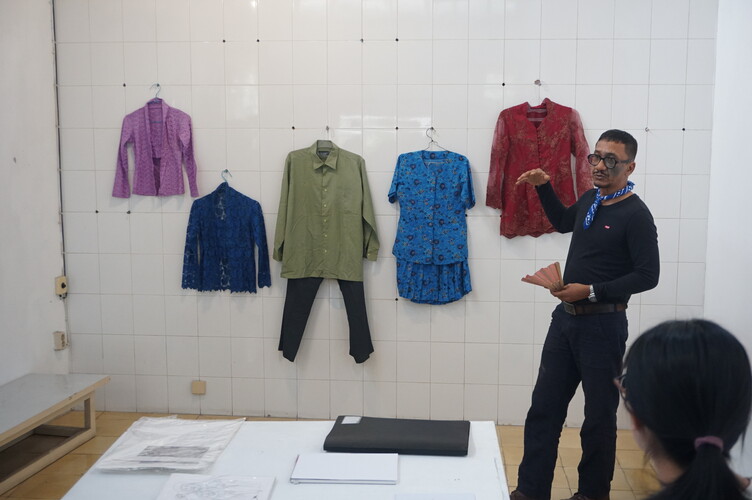
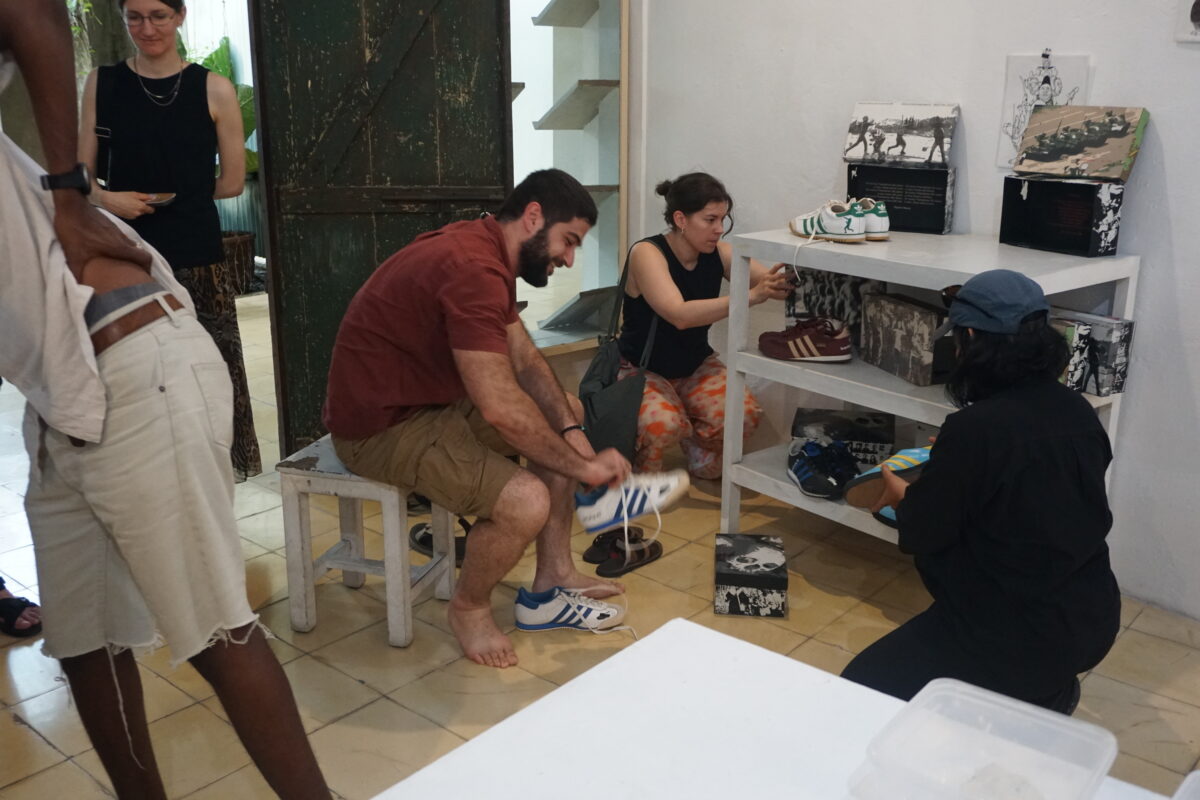
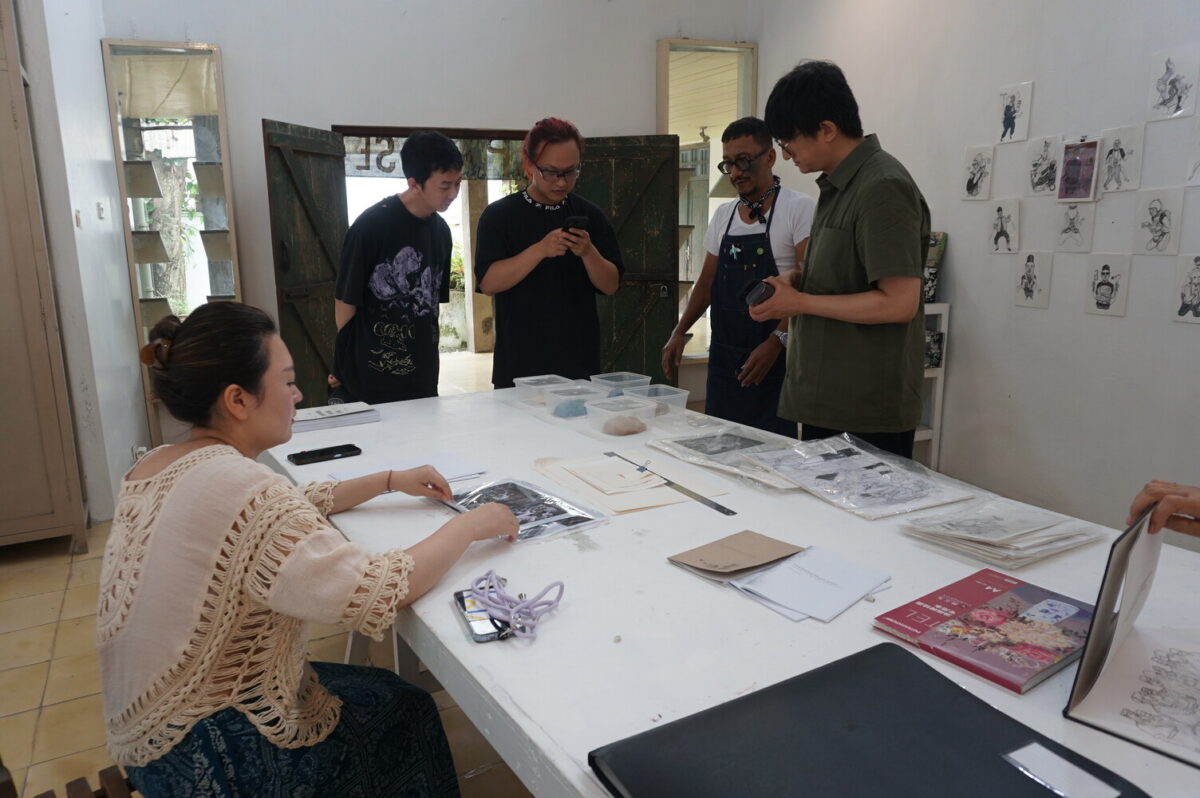
In this open studio, Agung Kurniawan explores the many possibilities of drawing, attempting to align it with today’s context—to see whether it still holds potency and relevance or has become mere crumbs of the past.
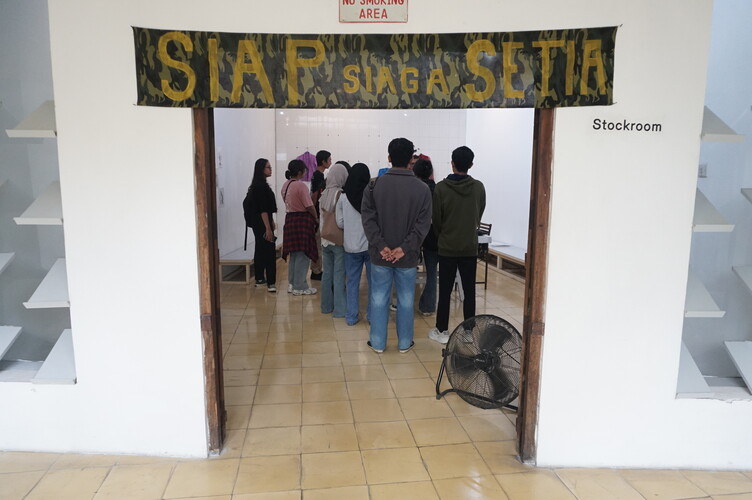
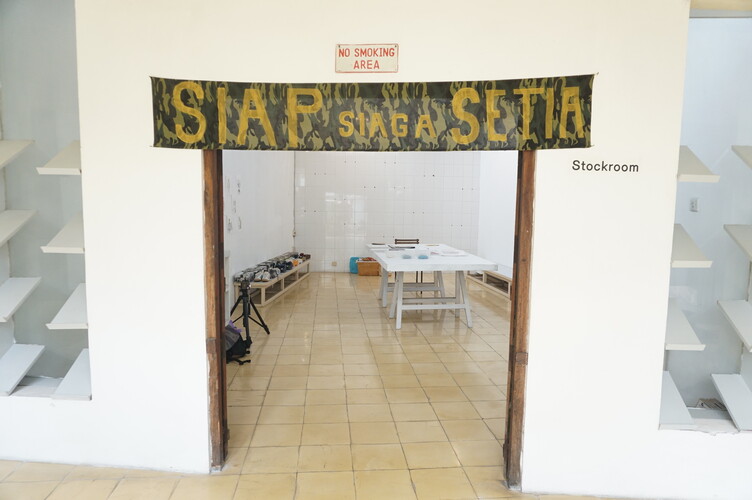
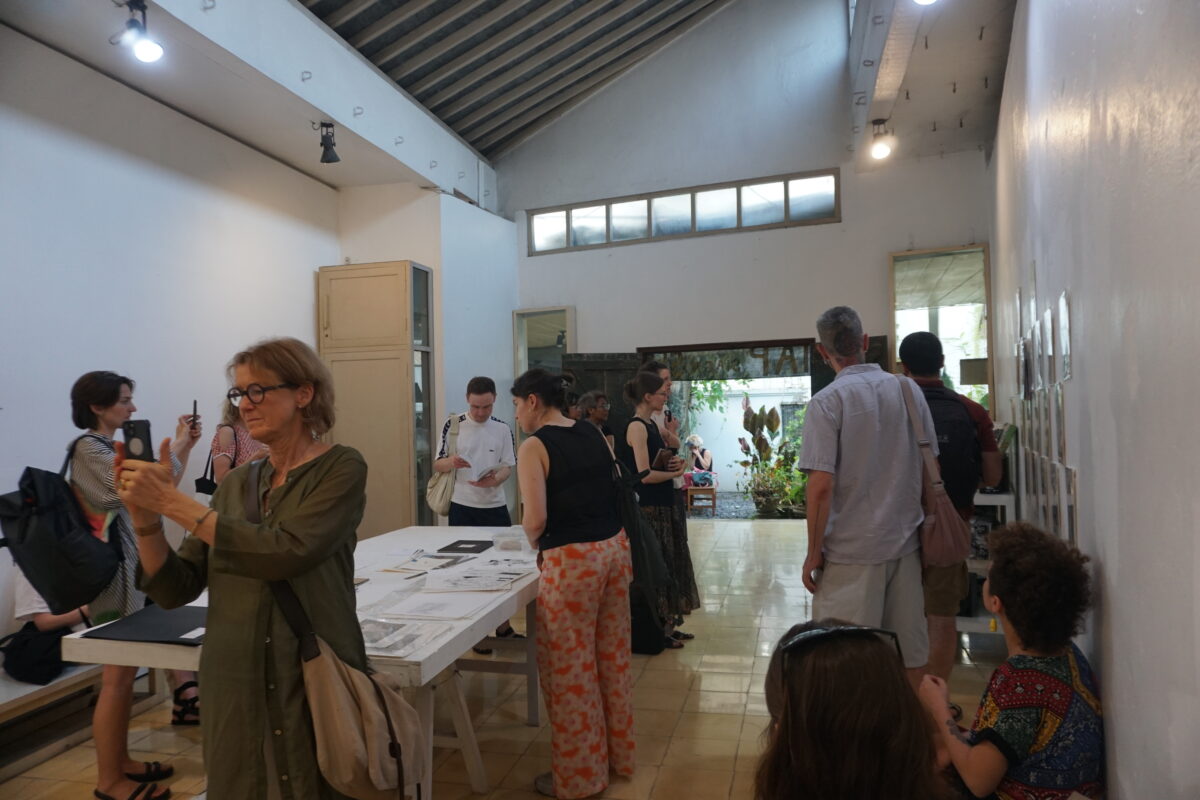
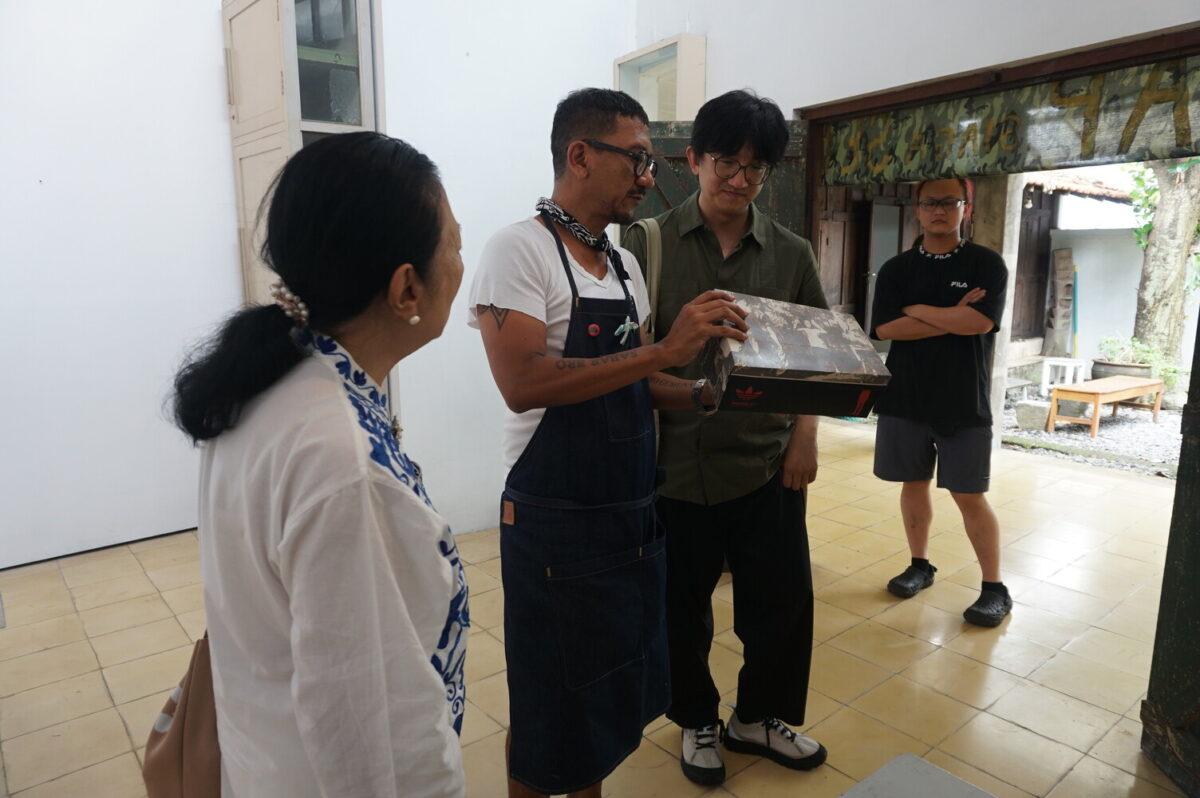
*Open Studio is one of Cemeti – Institute for Art and Society program that focuses on artistic experimentation, and the development of discourse on works by artists. This program is one of the new forms of using the Cemeti Stockroom space which is held regularly and is open to artists, either by invitation or submission of proposals.
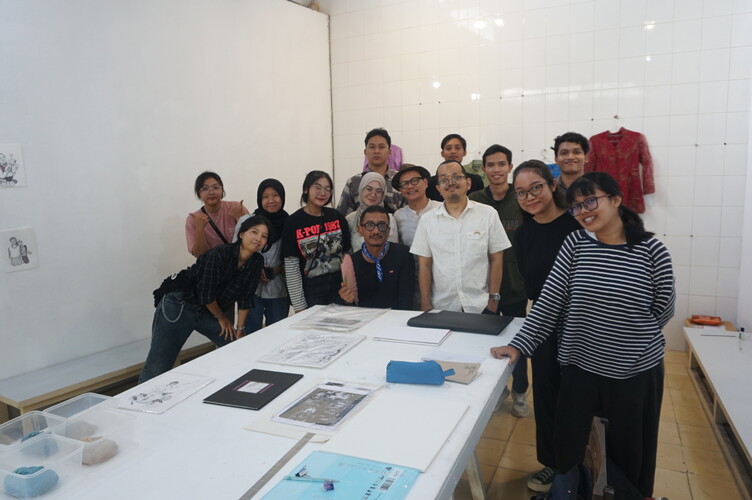
Documentation
Biography
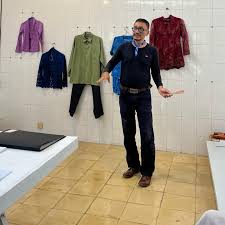
Agung Kurniawan is a multidisciplinary artist working with drawings, installations, and in more recent years, performances, theater, and happening arts. He looks at the socio-political as well as historical aspects of trauma and tragedy situated in a place or a nation by unraveling the stories from first-hand sources and recounting them with his own imaginative narration. Kurniawan has been developing a new series of striking works on paper that interweave complex layers of history and narrative with fiction based off of his ongoing interest in the Indonesian reformation period of 1965.