

Group Exhibition:On a Moving Ground
12 October 2024
Anna Tomaszewski
Marten Bayuaji
Rachmad Afandi
Sajan Mani
Taryn simon
Opening:
Oct, 12nd 2024 | 16.00 WIB
Public Program:
Oct, 22nd 2024 | 16.00 WIB
Cemeti.- Institute for Art and Society
Jl. D.I. Panjaitan 41, Yogyakarta
Tuesday - Saturday | 10:00 - 17:00
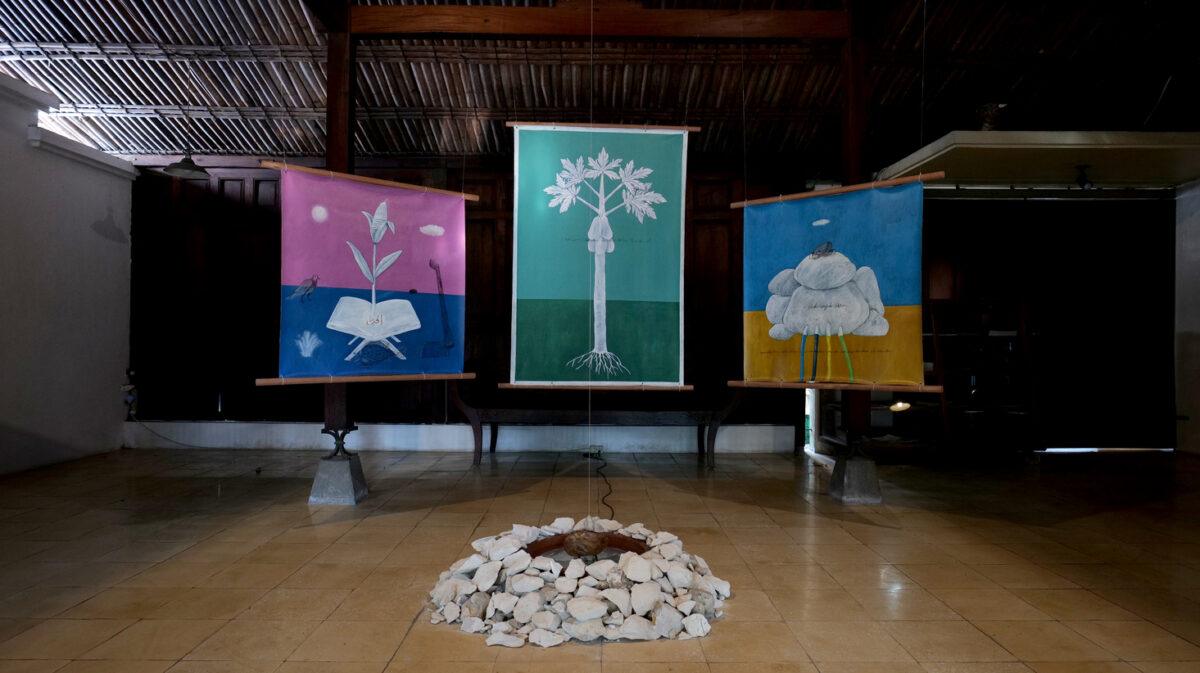
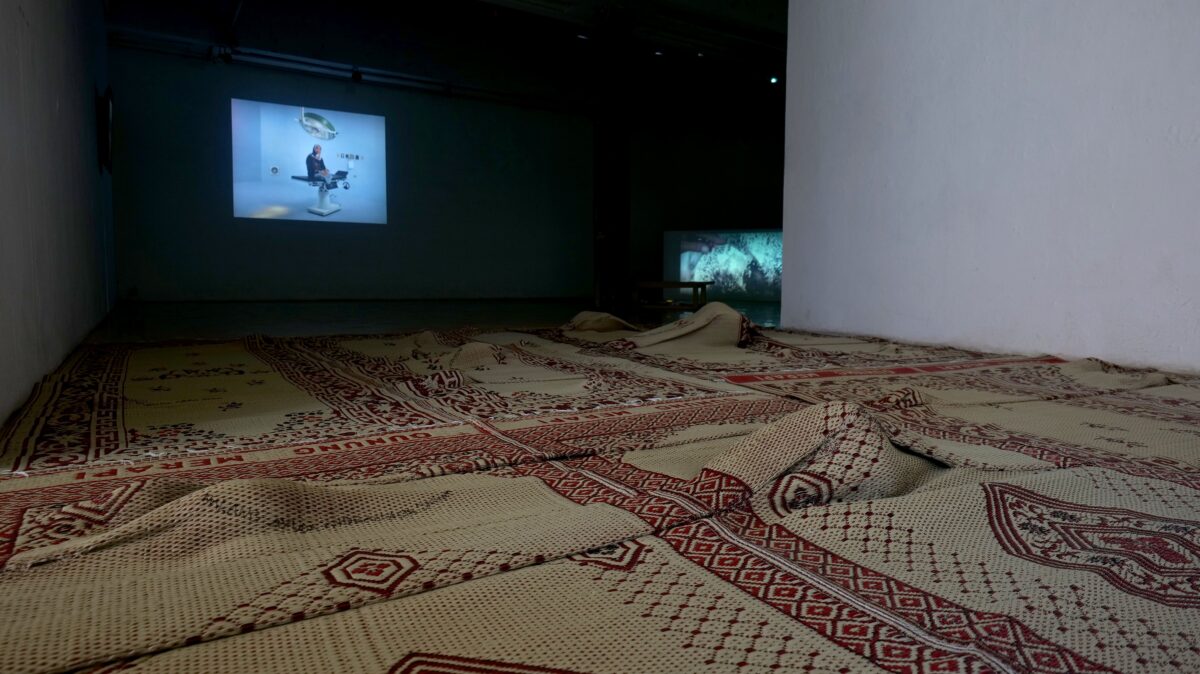
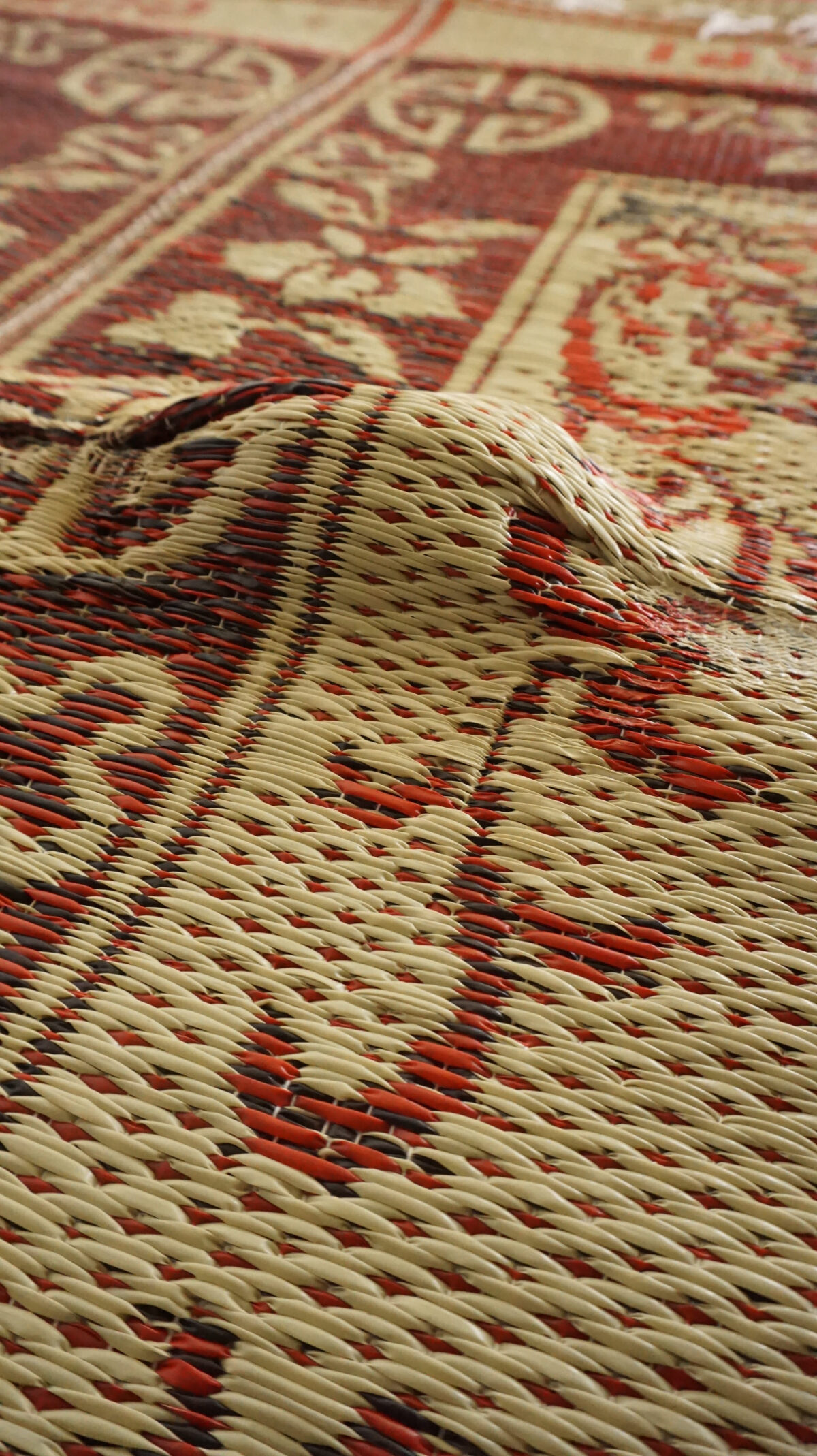
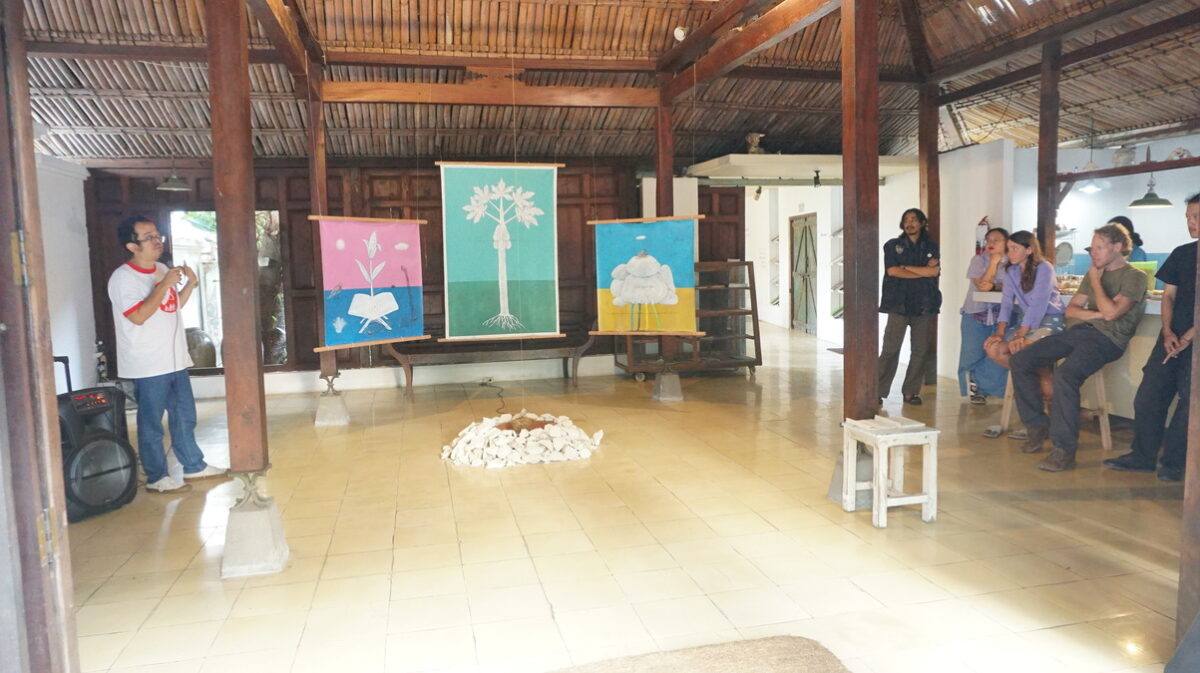
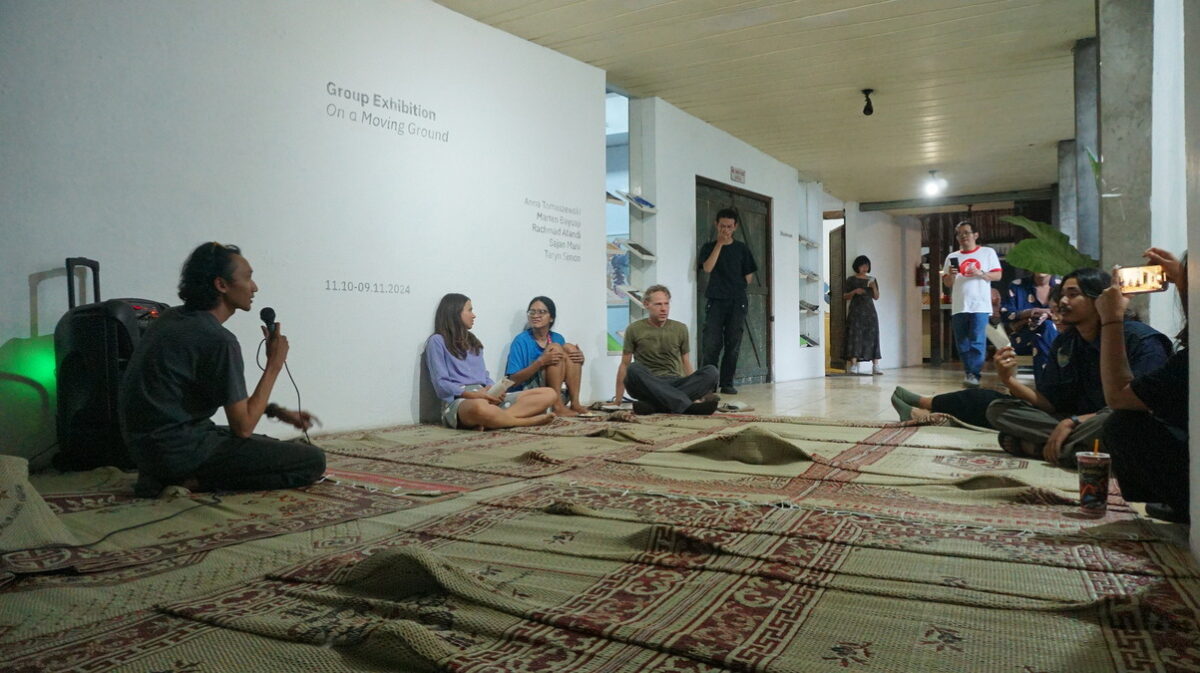
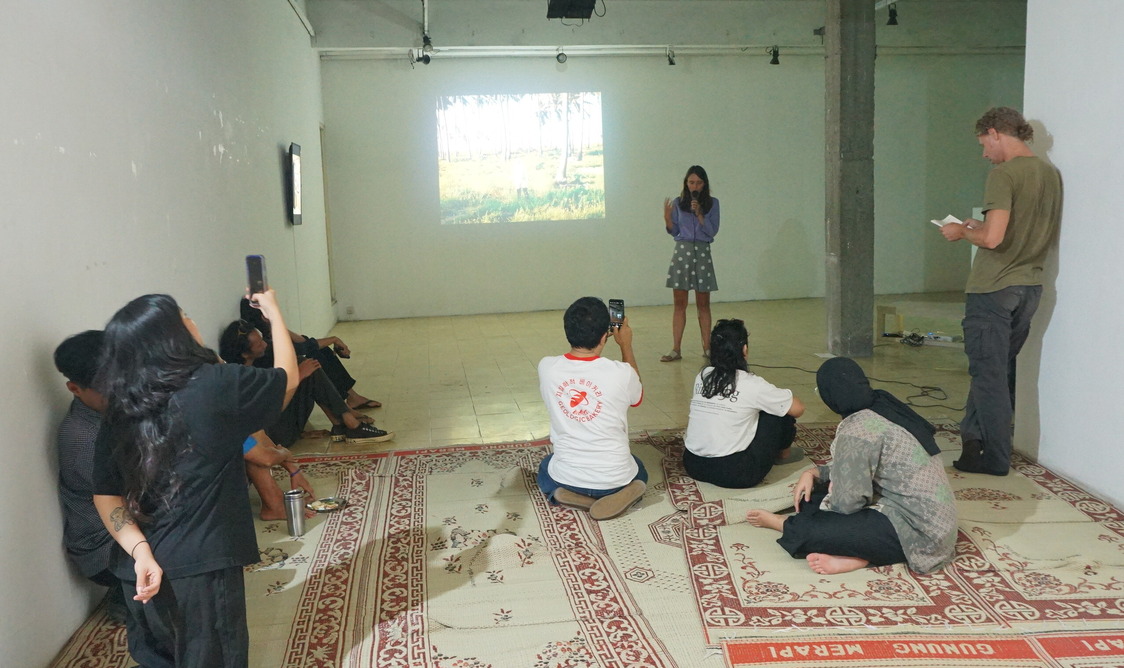
“On a Moving Ground” is an exhibition that portrays the rapidly changing environment and its profound impact on human-nonhuman relations. The invited artists, through their individual works, are laying the groundwork for future knowledge preservation, encompassing oral history, archives, local knowledge, and landscapes that have been shared or forgotten through generations.
The title reflects Indonesia’s geological context, situated on the Ring of Fire and atop three tectonic plates. This particular context affects not only Indonesia’s natural landscape and how it shapes the people who live on the surface but also their mentality and spirituality, as we exist in a precarious condition facing natural disasters. It also reveals how socio-political power operates across various social layers, both historically and contemporarily.
This exhibition, a fusion of multiple mediums, fosters a conversation that intertwines each artistic practice and shares knowledge between the artists and the broader audience of Yogyakarta. The artworks underscore the importance of learning from our immediate surroundings and the urgency of acknowledging and preserving local knowledge to address crises and coexist with nature.
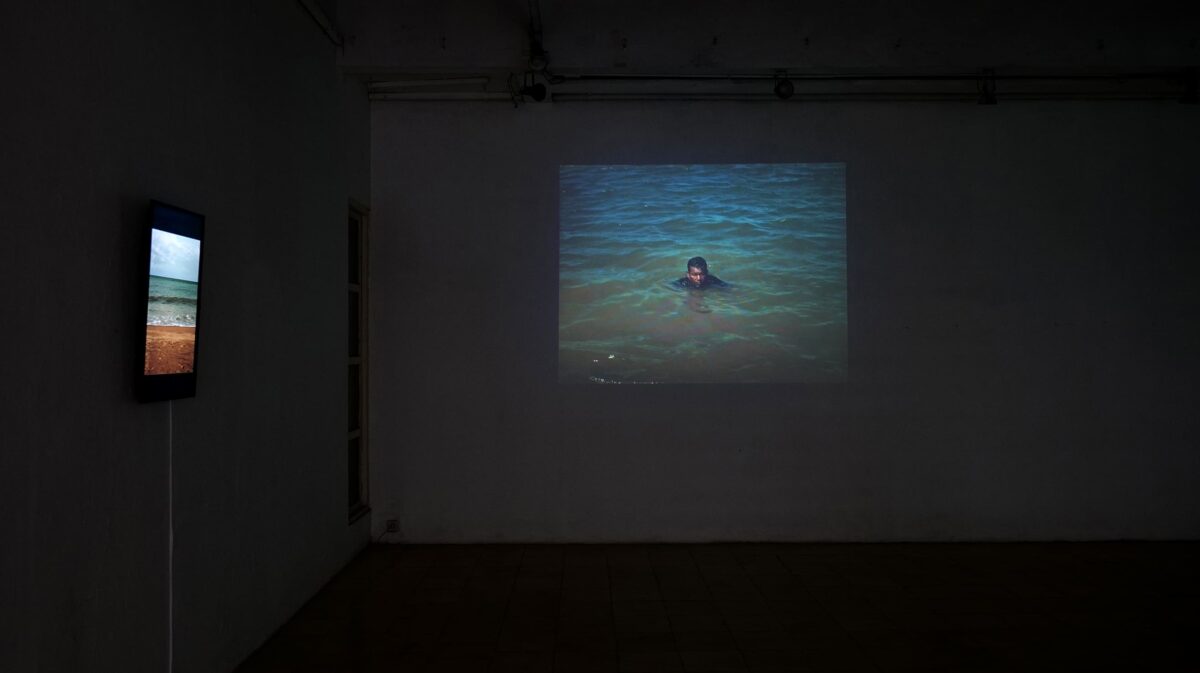
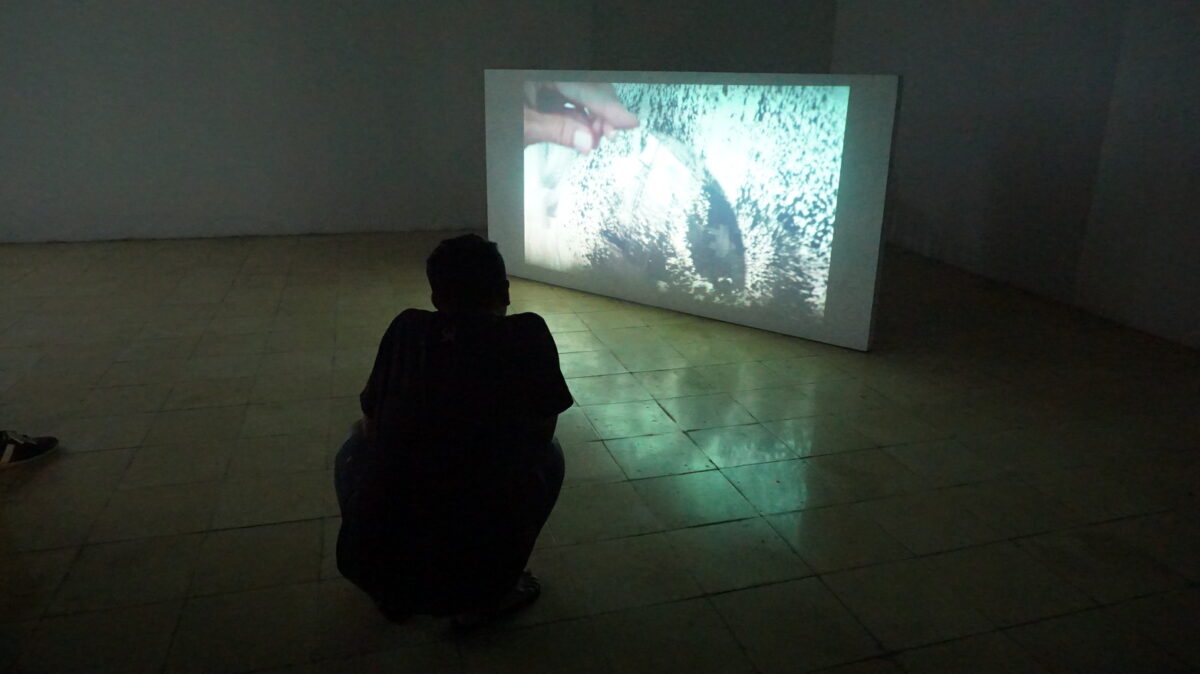
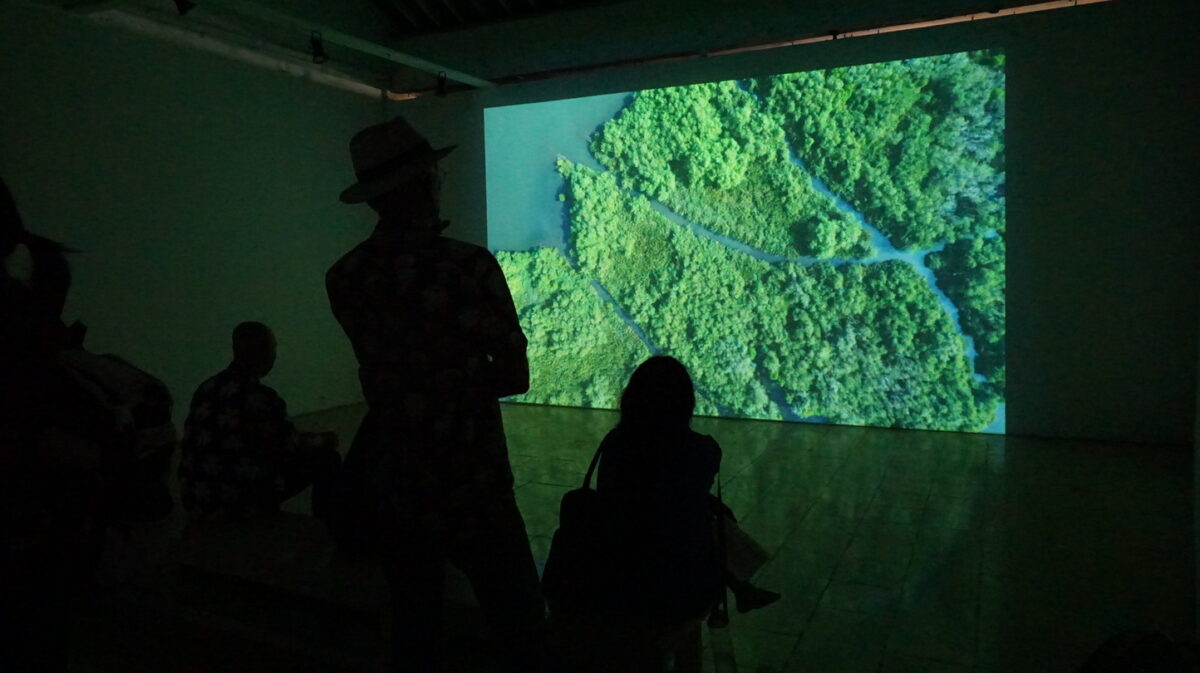
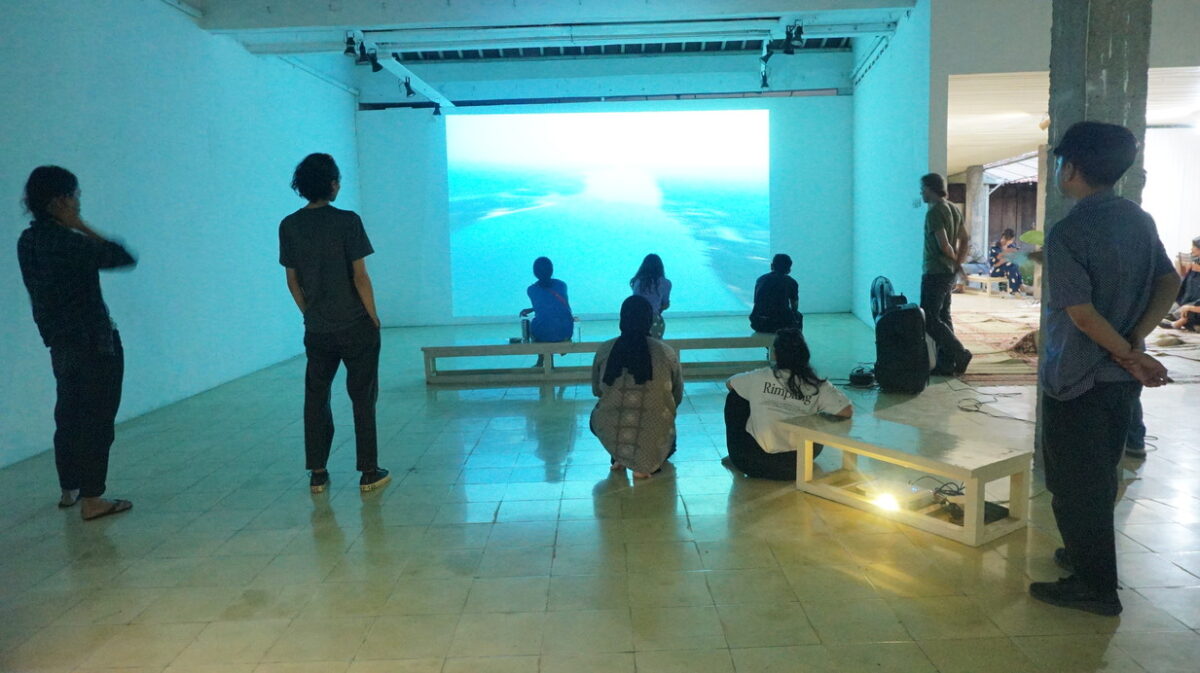
Featured in the exhibition are works from Taryn Simon’s “Nonfiction I” series, which combines portraiture and landscape imagery to reveal narratives around loss and grief. Sajan Mani’s video piece maps his intimate connection with a river that has shaped his life, reflecting on ecological relationships and the unknown. Similarly, the installations by the two Indonesian young artists, Rachmad Afandi dan Marten Bayuaji, explore local histories and community practices, prompting audiences to engage deeply with their environments. Meanwhile, Anna Tomaszewski was inspired by natural entropy, she explores its transformative energy and how it generates new forms.
The audience’s participation in this dialogue is crucial, and their resonance with these themes is highly anticipated. Each artist invited to this program has extensive experience working within these themes, and their presence will enrich our understanding of the challenges inherent in human-nonhuman relationships. This exhibition invites us to consider the possibilities of developing new works or presenting existing ones within the specific context of Yogyakarta and Indonesia at large.
Dito Yuwono & Mira Asriningtyas
Director of Cemeti – Institute for Art and Society
Gallery
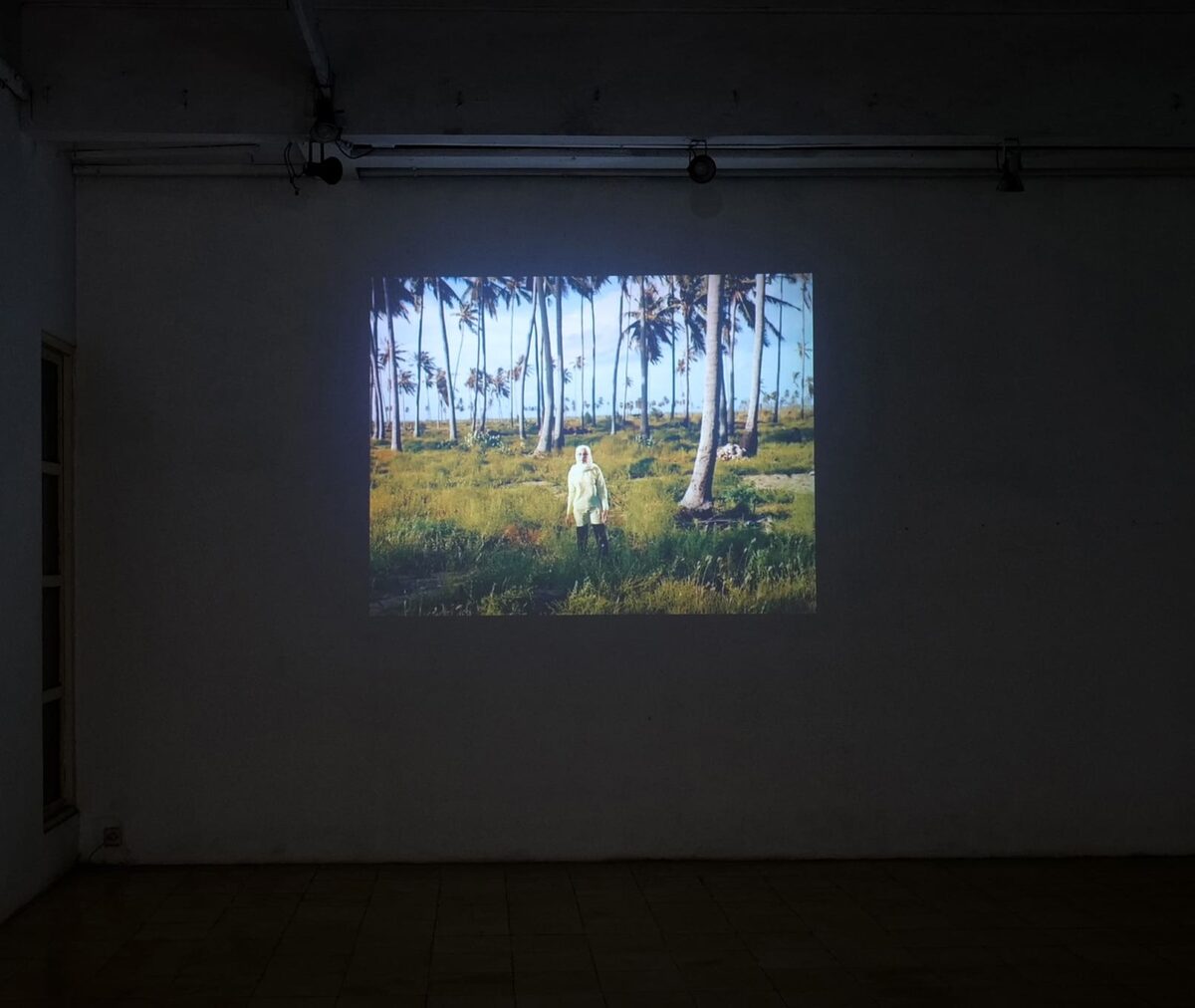
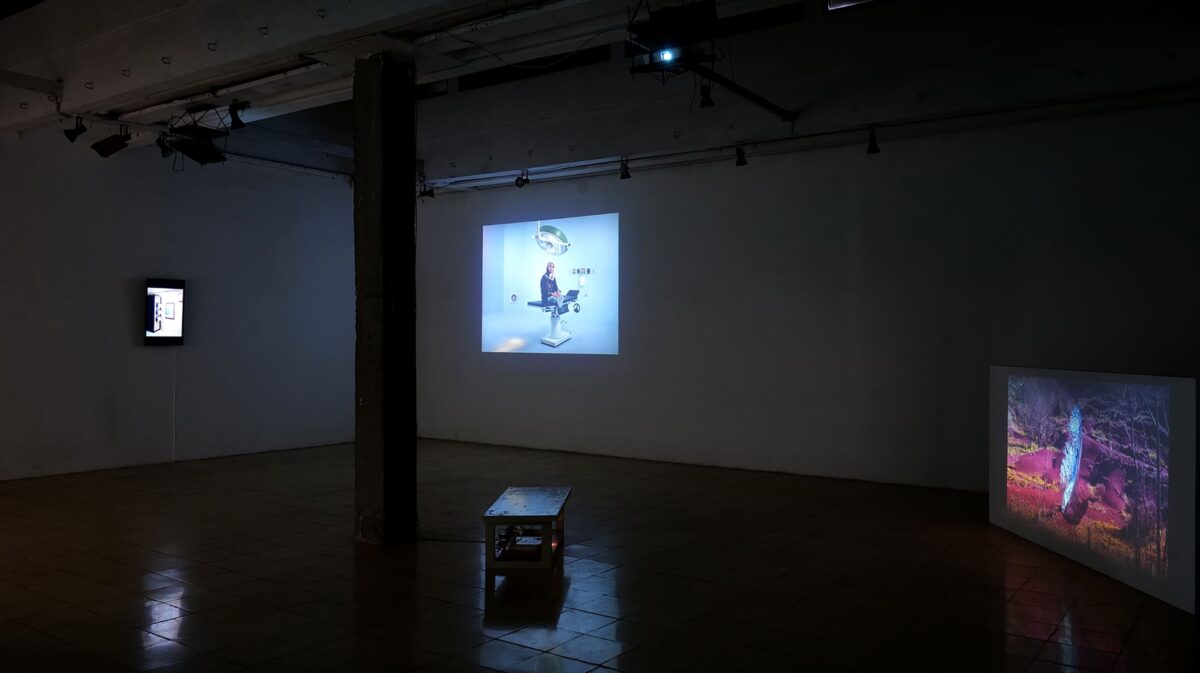
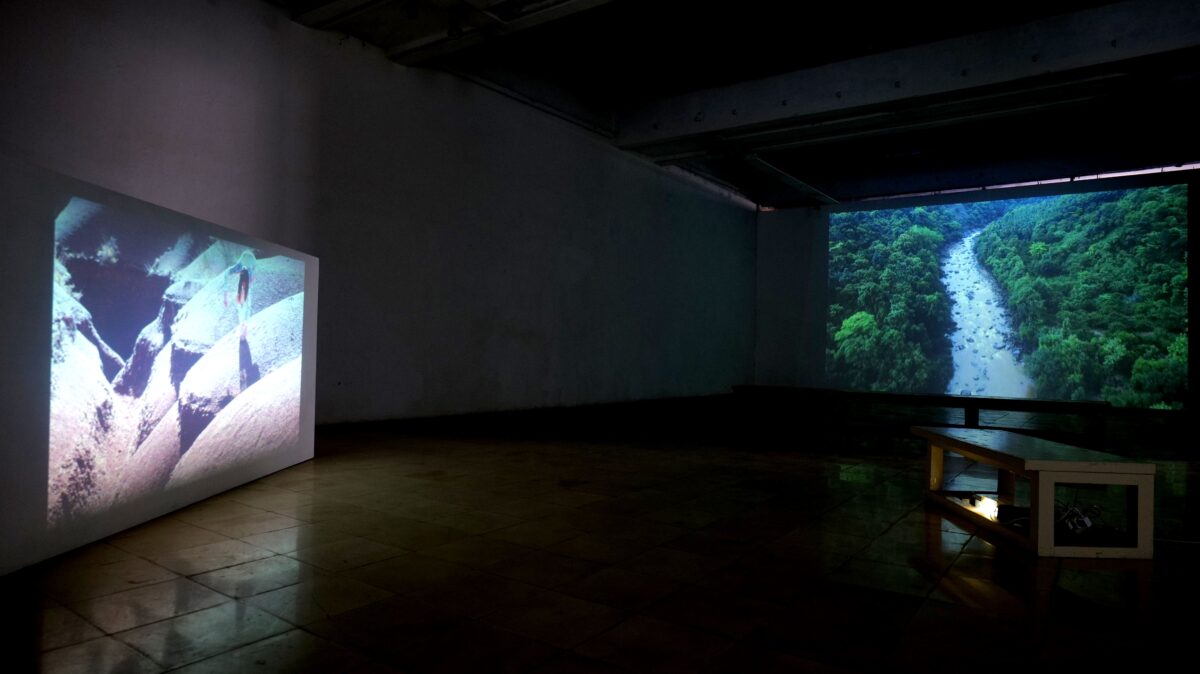
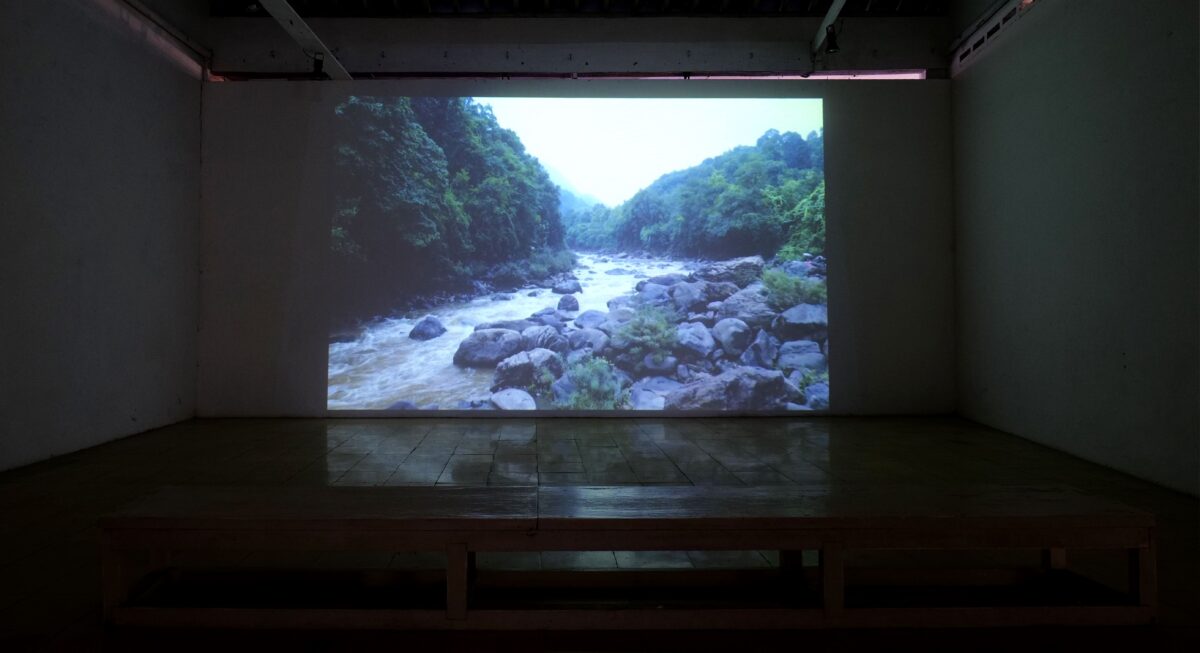
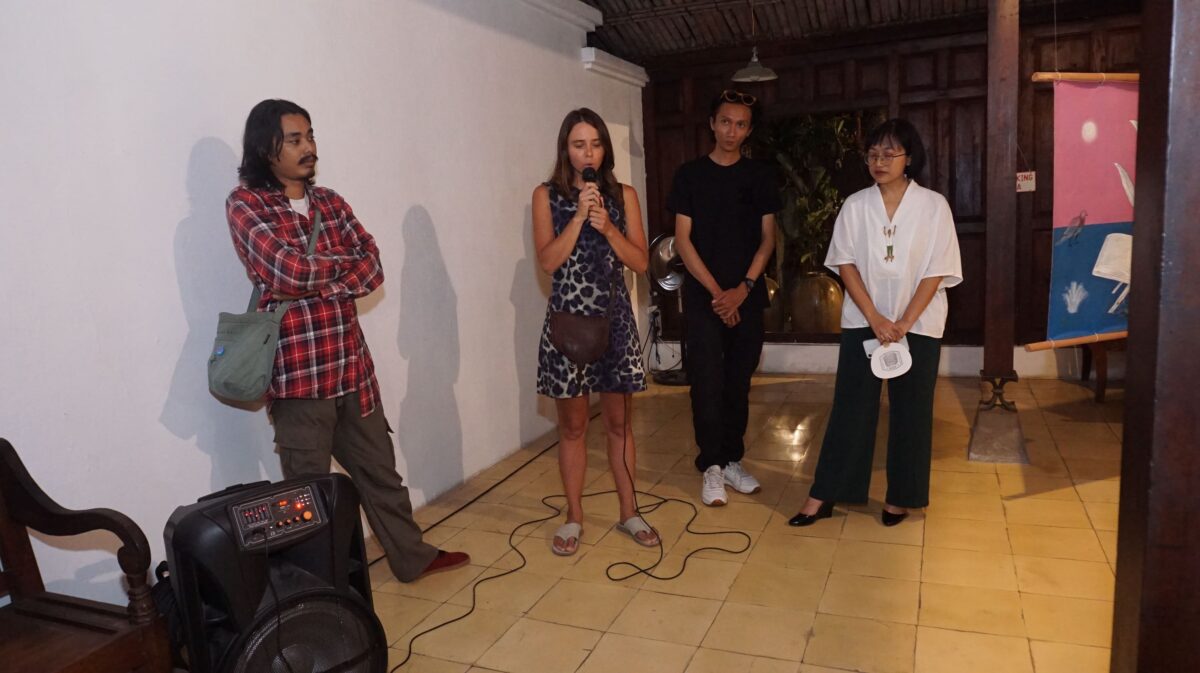
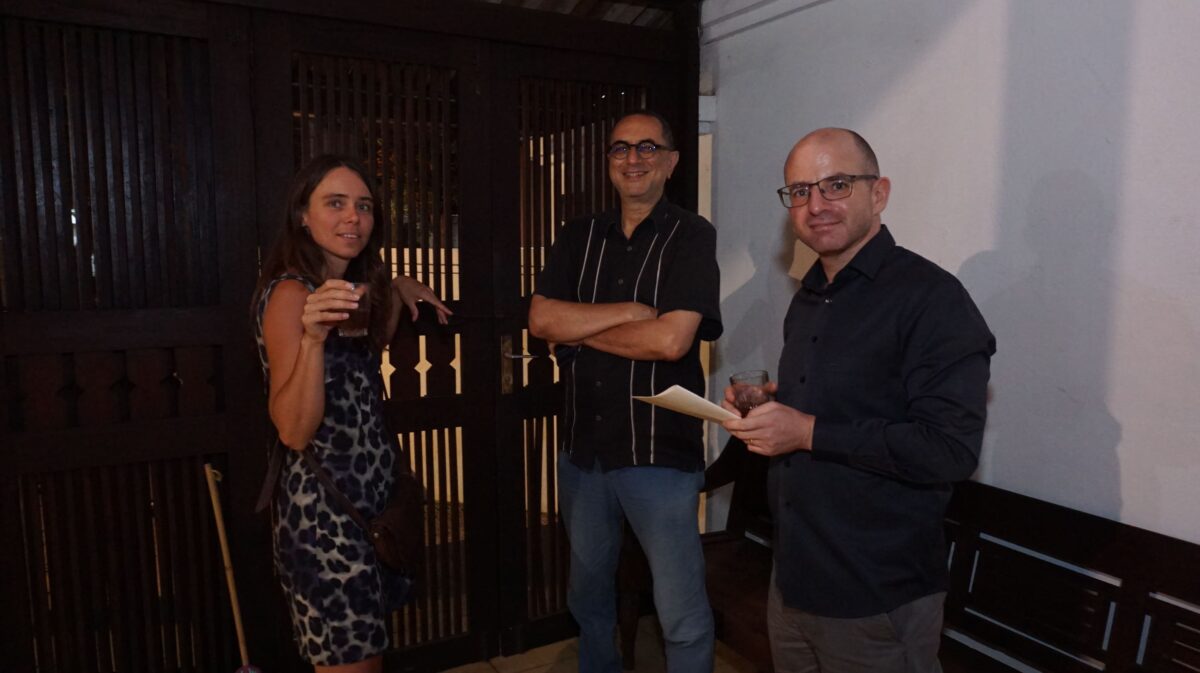
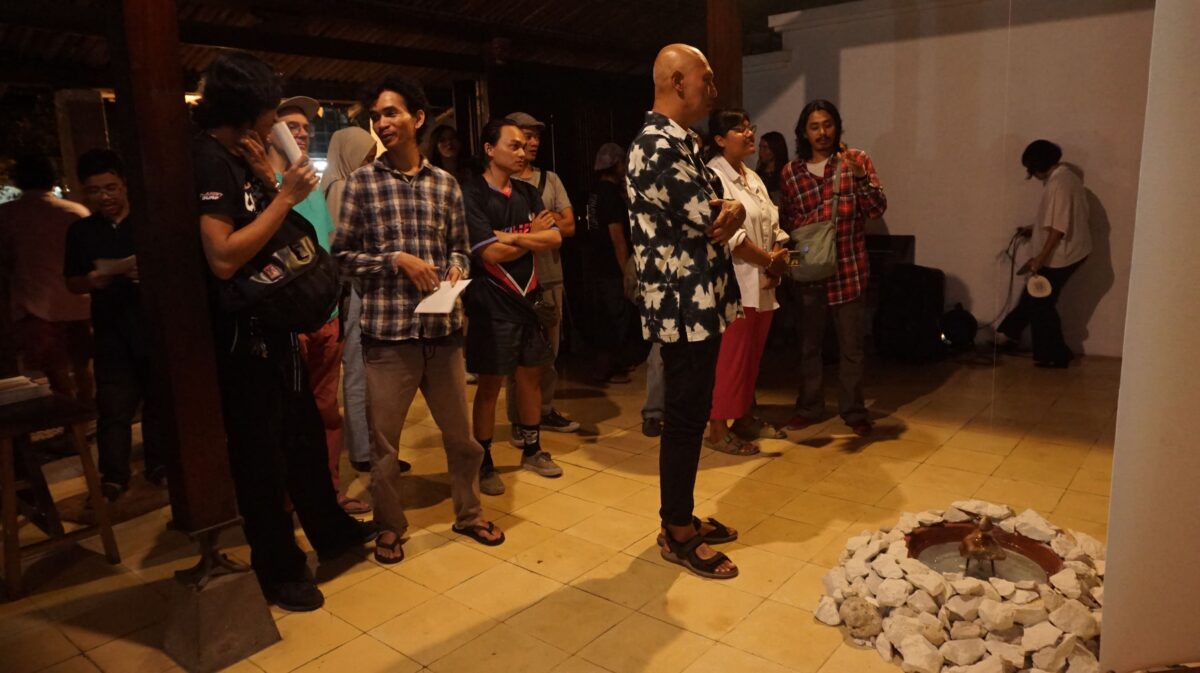
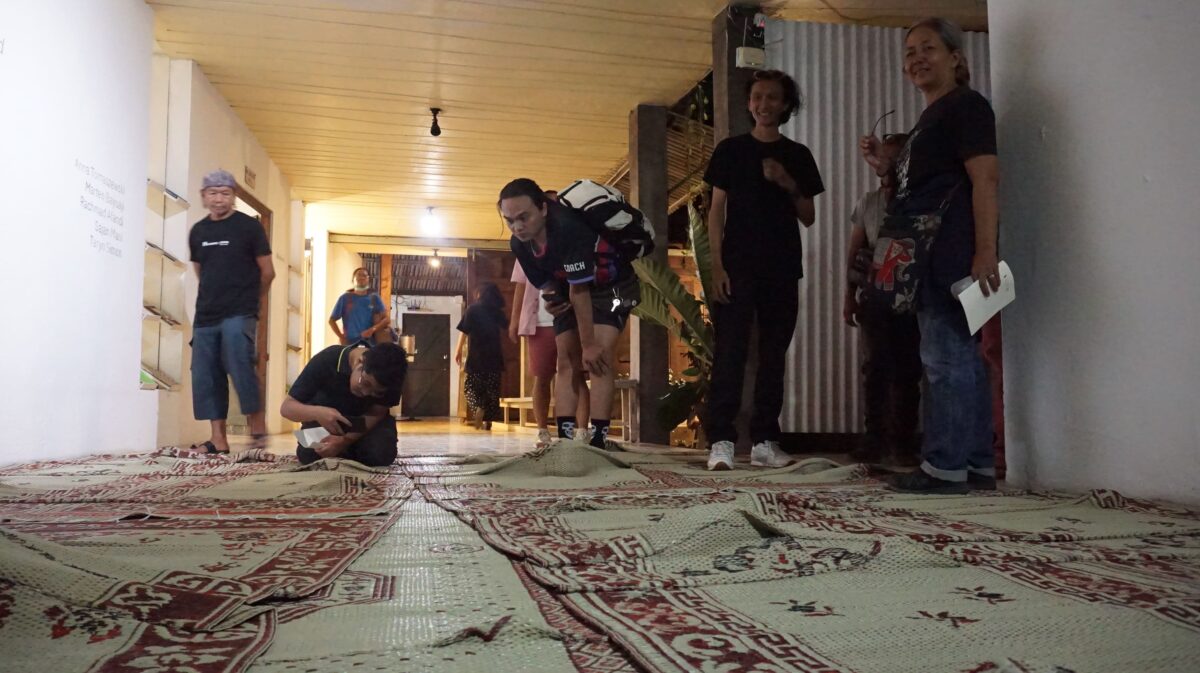
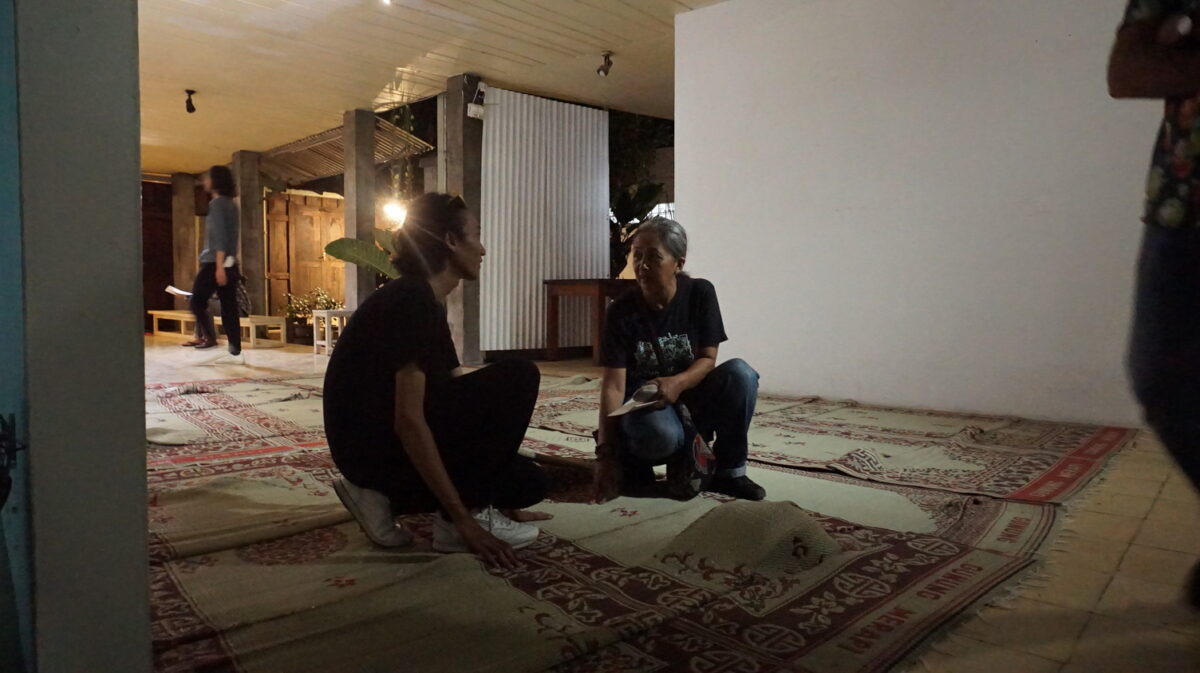
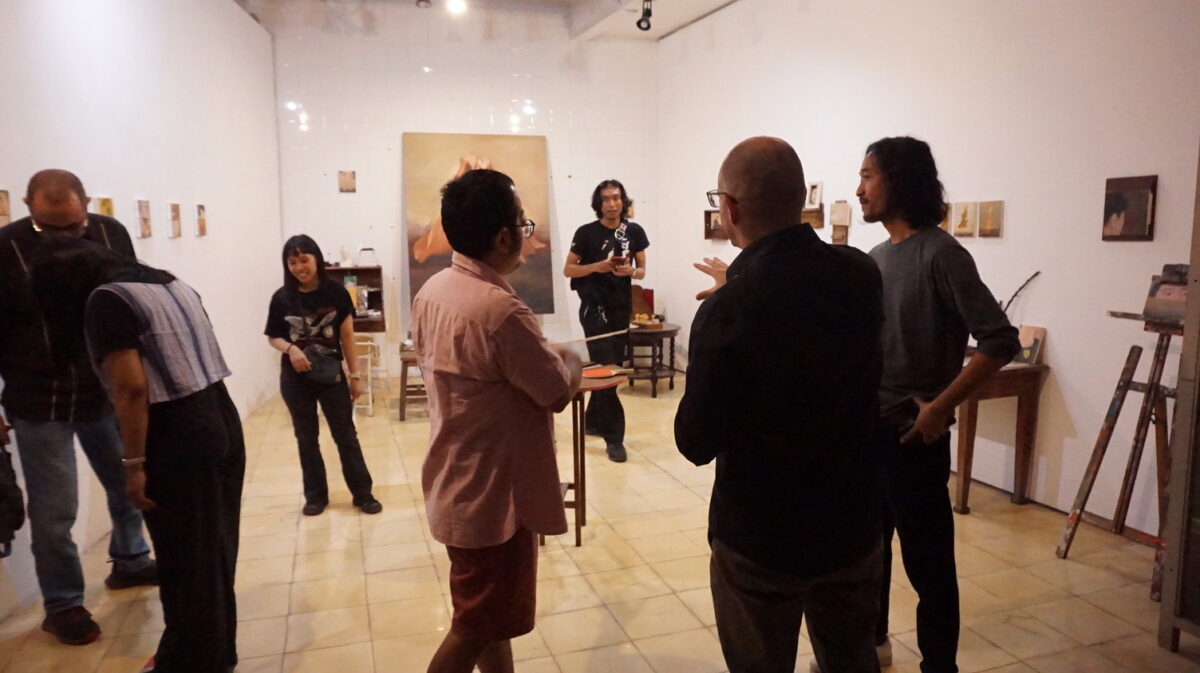
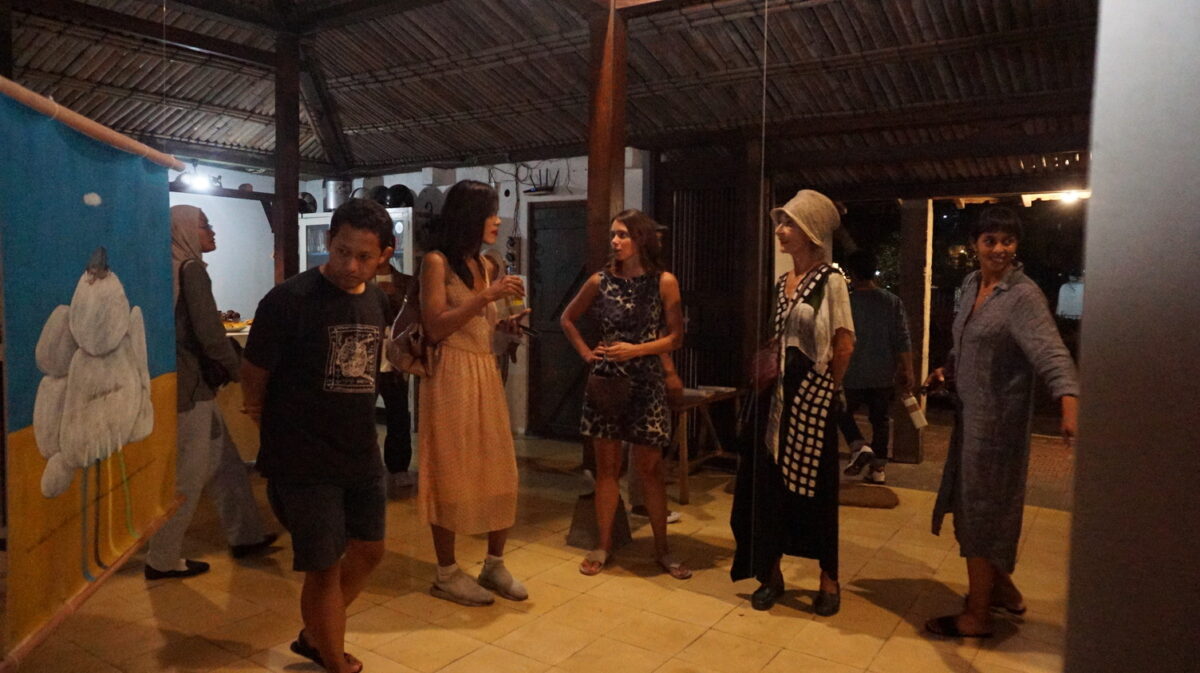
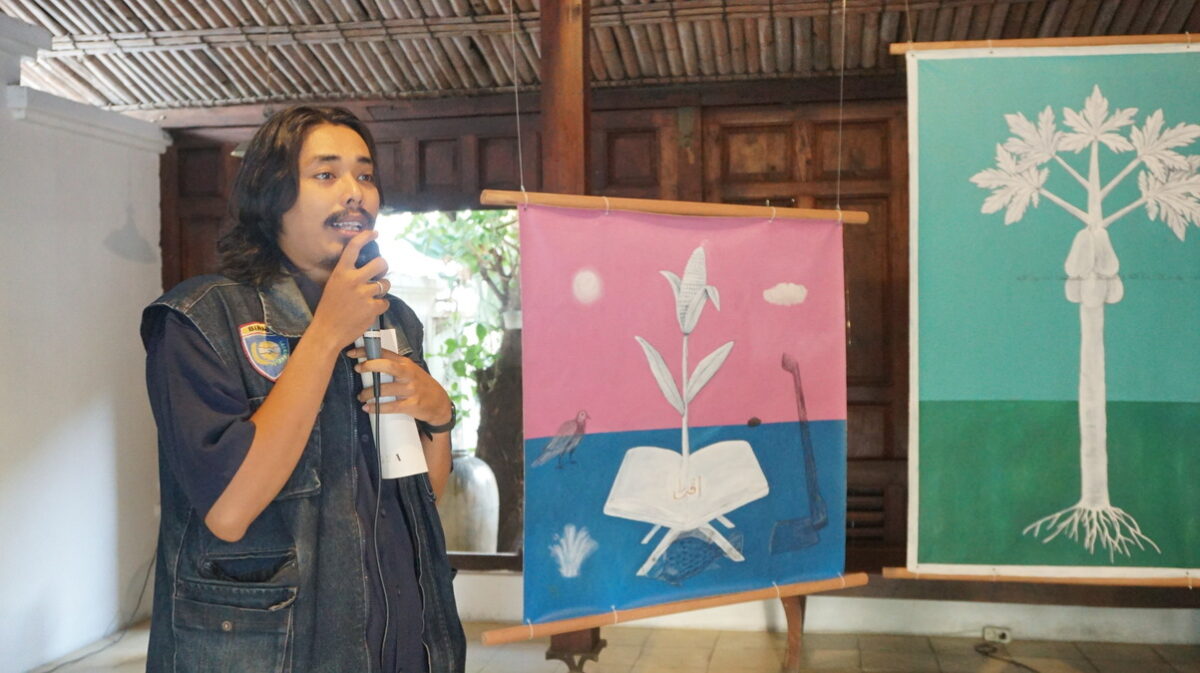
Documentation
Biography
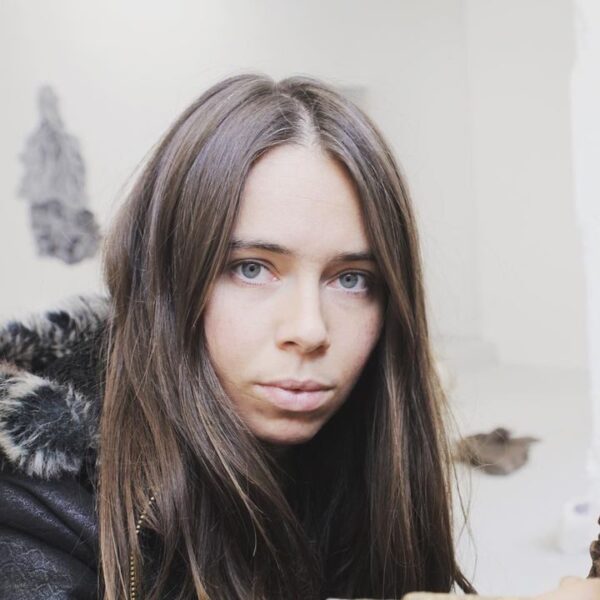
Anna Tomaszewski Anna Tomaszewski develops her sculptural work through various media, including installation, sound, video, and performance. Her art evokes eco-fiction, focusing on non-human elements and the unrecognizedconnections between primordial interactions. Tomaszewski's work alignswith animist ontology, viewing every object, living thing, and element aspossessing a vital force.Inspired by natural entropy, she explores its transformative energy and how it generates new forms. By observing this energy, Tomaszewski integrates it into "embodied" narratives that highlight the microscopic, discarded elements sh refers to as "golden trash." These fragments, collected from different places, become catalysts for her amplified realities.In her work, landscapes are not mere backdrops but materials entwined with the networks from which they emerge. Tomaszewski rejects the traditional separation between the body and material, suggesting that the body is interconnected with its environment. This intertwining allows the creation of alternative ecosystems and new environments.Her art fossilizes reality, creating spaces where survival, intercorporeality, and care come into play. Through these ecosystems, she explores the continuous cycles of life and transformation, offering a profound reflection on our relationship with the natural world.
Marten Bayuaji began his art studies at Yogyakarta State University and the Bandung Institute of Technology. His work is deeply inspired by nature, both in its physical form and as a concept. Marten's artistic practice often involves site studies, which allow him to experiment with various media.Since 2018, Marten has explored nature from an anthropocentric perspective, which has led him to engage with cultural studies, philosophy, and earth sciences. His work reflects on the complexities of environmental issues, aiming to challenge and rethink the ways we perceive nature.
Throughout his career, Marten has been involved in numerous exhibitions and projects. Notable collaborations include environmental art projects with the Sindurejan village in Yogyakarta (2014) and Krapyak Wedomartani village in Sleman (2015). He was also a resident artist for the 3M Project No. 3 at Ace House Collective (2018), the Leipzig International Art Programme (2021), and participated in the Modus Air program in Bandung and South Kalimantan (2023).
Currently, Marten is working on an art project in the area surrounding Mount Merapi, Yogyakarta, continuing his exploration of nature and its intersection with human perception.
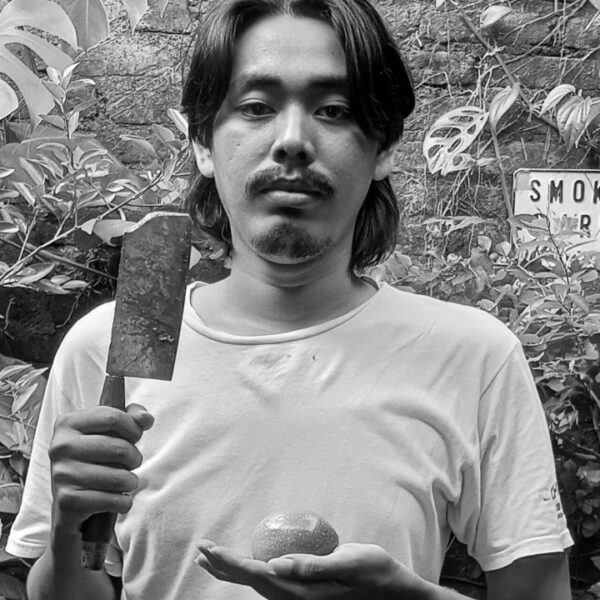
Rachmad Afandi graduated from the Indonesian Institute of the Arts Yogyakarta in 2010, majoring in Fine Arts with a focus on painting. His work explores the relationship between art, Islamic tradition, and history, delving into the intersections of political, social, and religious contexts. By tracing the lineage of knowledge and genealogy, Rachmad investigates how these elements shape individual and communal perspectives.Rachmad employs various mediums, including painting, silkscreen, woodcut, printmaking, installation, video, and performance art. Over the past seven years, his art has centered on themes of history, folklore, and myths, particularly in postcolonial settings. His interests also lie in peripheral religious figures and concepts, which inspire much of his work.His first solo exhibition, "1921 (Haji Merah Sarekat Islam Merah dan Putih)," was held at LIR Space in 2017. He has also participated in exhibitions such as "Gegayutan" at Nandur Srawung (2019), "Potret Kyai" at Kembulan Lesbumi (2021), and "Genealogy of Ghosts and How to Live with Them" at 900mdpl (2022). Rachmad is active in several collectives, including Garda Blakang, Barasub, and the Benggala Project, and remains involved with The SURVIVE! Garage community since 2016.
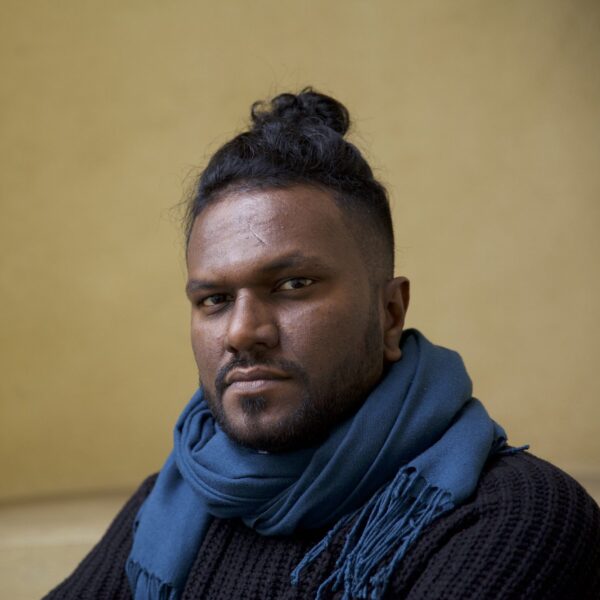
Sajan Mani is an interdisciplinary artist and curator from a family of rubber tappers in northern Kerala, South India. His work focuses on issues of marginalized and oppressed communities in India, using his own "Black Dalit body" as a powerful symbol. Sajan's performance art embodies the experience of pain, shame, fear, and power, exploring the body as a socio-political metaphor connecting history and the present.
Water is a recurring element in his performances, addressing ecological concerns related to Kerala's backwaters and the broader theme of migration. His recent works also investigate the relationship between humans and animals, and the politics of space through the lens of indigenous cosmology.Sajan has participated in numerous international biennales, festivals, and residencies, including The INHABIT program at Max Planck Institute for Empirical Aesthetics (2022), Lokame Tharavadu by Kochi Biennale Foundation (2021), and Times Art Center Berlin (2021). He has also shown his work at the Dhaka Art Summit, Kampala Art Biennale, and Vancouver Biennale.In 2022, he received the Prince Claus Mentorship Award and the Breakthrough Artist of the Year Award from Hello India Art Awards. His accolades also include the Berlin Senate Artistic Research Grant, Braunschweig Projects Scholarship, and the Akademie Schloss Solitude Fellowship.
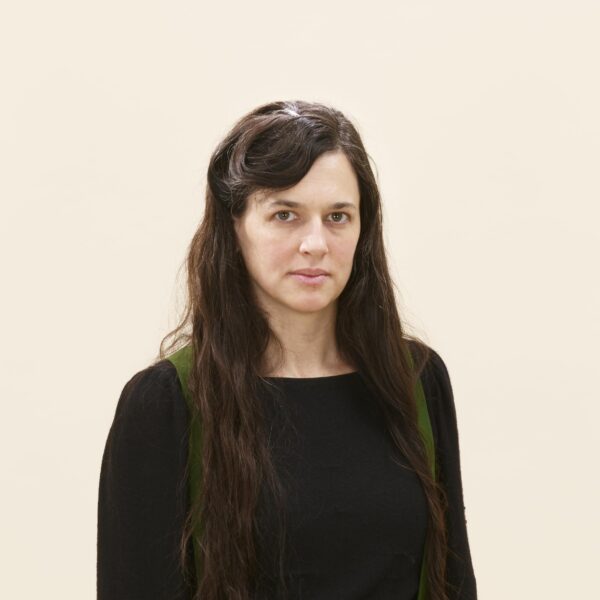
Taryn Simon is a multidisciplinary artist whose work spans photography, text, sculpture, and performance. Her practice often uncovers hidden or inaccessible systems, revealing the structures that shape individual and collective behavior. Simon's meticulously researched projects examine the power dynamics behind these structures, prompting viewers to confront social and political issues.Known for her striking photographic series, Simon frequently captures regions in turmoil, using large-format cameras, dramatic lighting, and deliberate framing to create images that both seduce and challenge. Her work blends documentary precision with conceptual depth, forcing her audience to reckon with the complexities of contemporary life.In addition to photography, Simon’s bookwork is central to her multimedia practice, adding layers of context and meaning to her visual works. Simon has exhibited internationally in prestigious institutions, including the Metropolitan Museum of Art, Tate Modern, the Guggenheim Museum, Centre Georges Pompidou, and the Louisiana Museum of Modern Art. Her work was featured in the 56th Venice Biennale (2015).Simon's projects invite critical reflection on the unseen forces that govern our world, making her a significant voice in contemporary art.