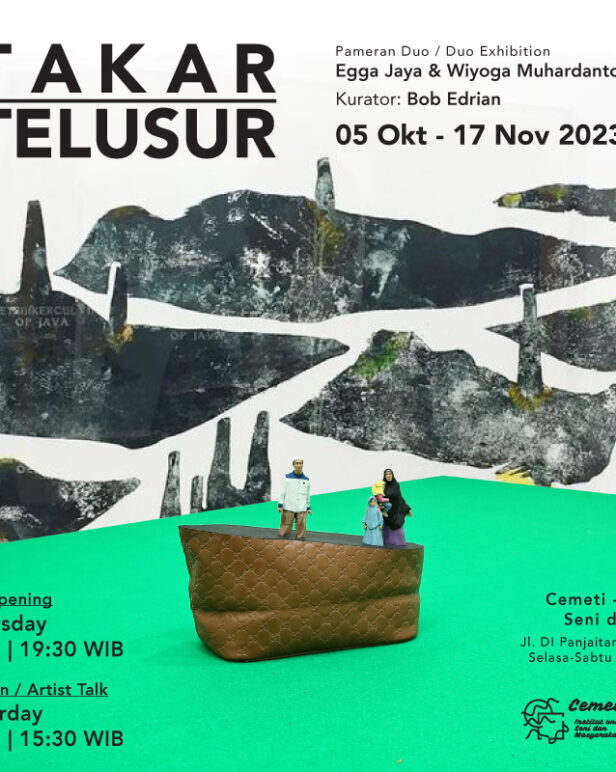
Pameran Kelompok :”Berbalik dan Melihat ke Belakang”
20 Agustus – 20 September 2025
Moelyono dan Ludruk Budhi Wijaya
M. Shodiq dan Rokateater
Prihatmoko Moki dan AMUK 1812
Pembukaan:
20 August 2025 | 19.00 WIB
Cemeti.- Institute for Art and Society
Jl. D.I. Panjaitan 41, Yogyakarta
Tuesday - Saturday | 10:00 - 17:00
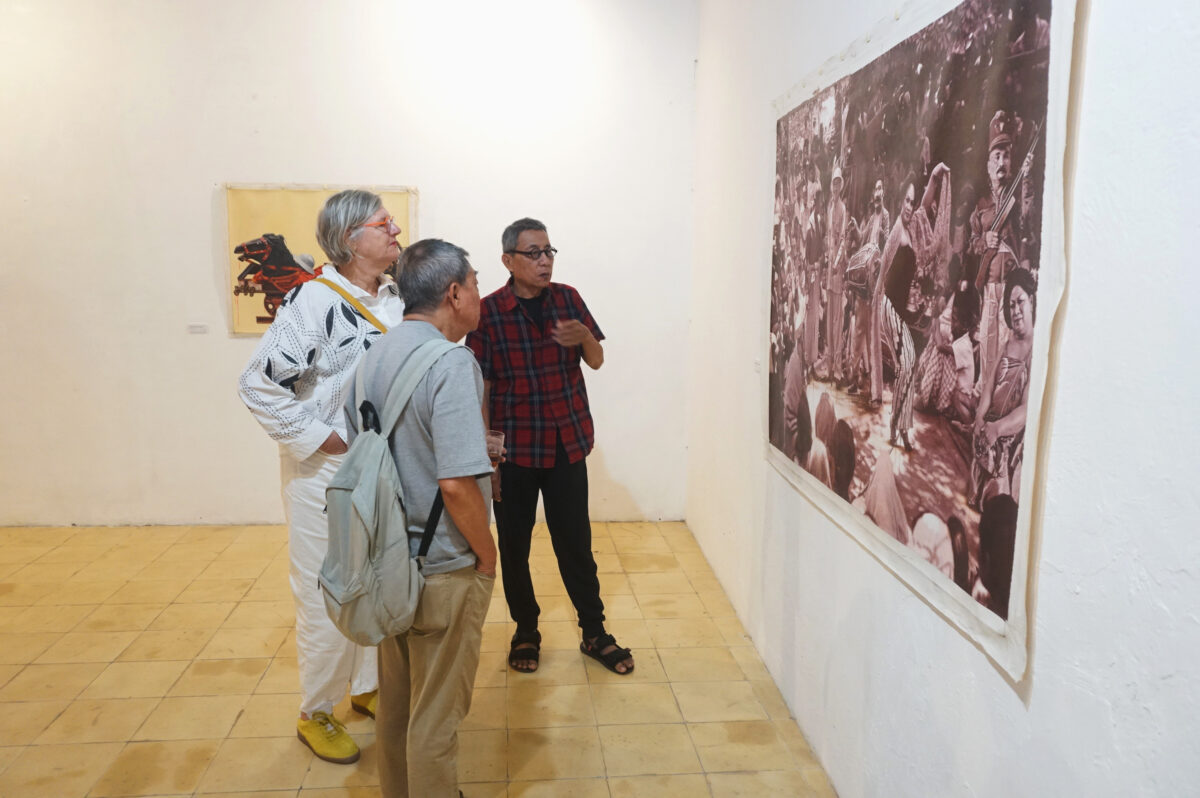
“Berbalik dan Melihat ke Belakang” sengaja melakukan reorientasi arah. Pameran ini memusatkan perhatian pada latar belakang pertunjukan dan jejak-jejak tontonan publik sebagai lensa politik. Dilandasi teori fūkeiron — teori lanskap yang membaca tempat sebagai kesaksian politik — pameran memperlakukan pemandangan, pawai, dan sisa-sisa pertunjukan sebagai bukti. Lanskap dan benda berfungsi sebagai arsip perampasan dan perlawanan yang berkelanjutan.
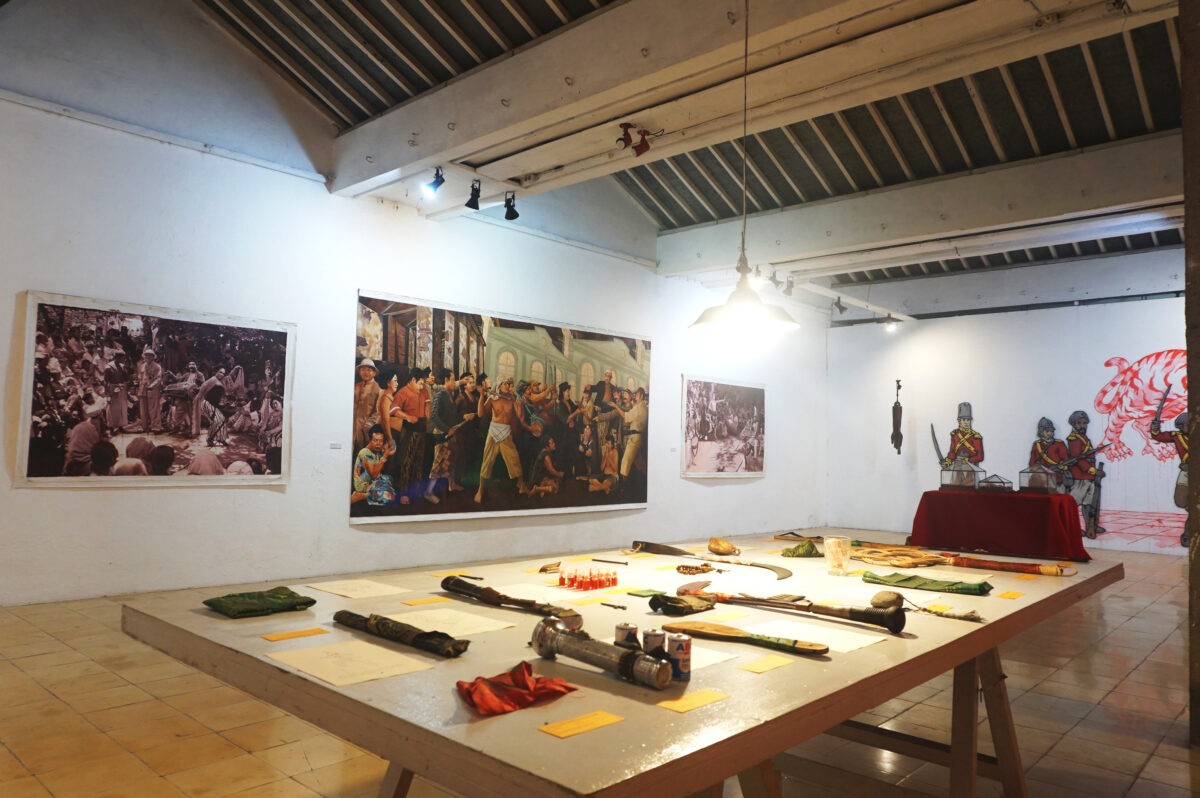
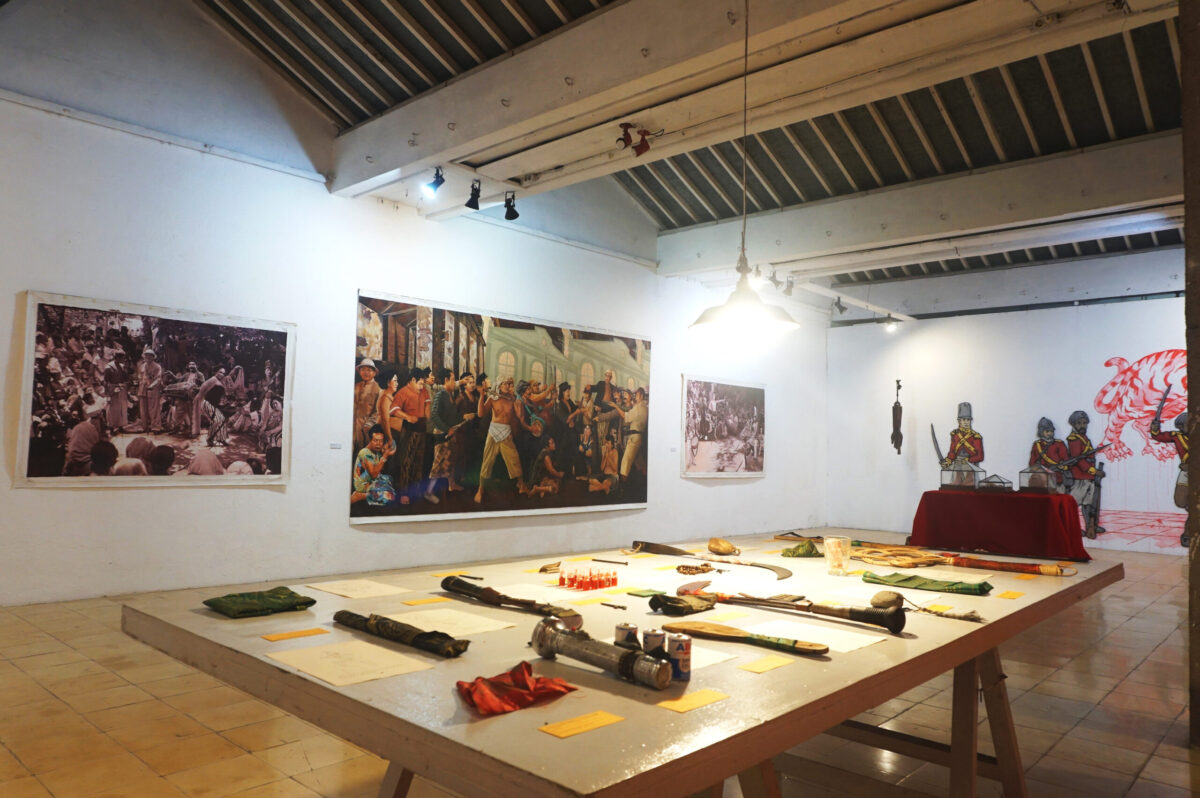
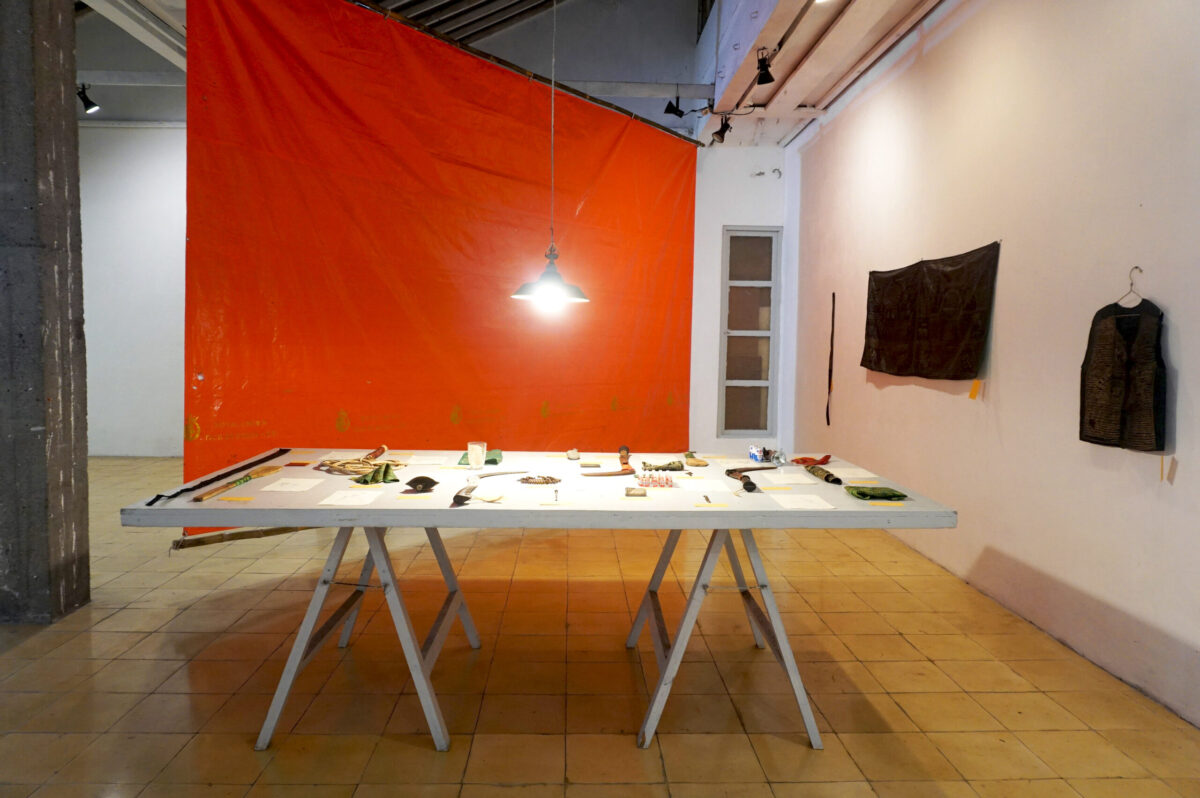
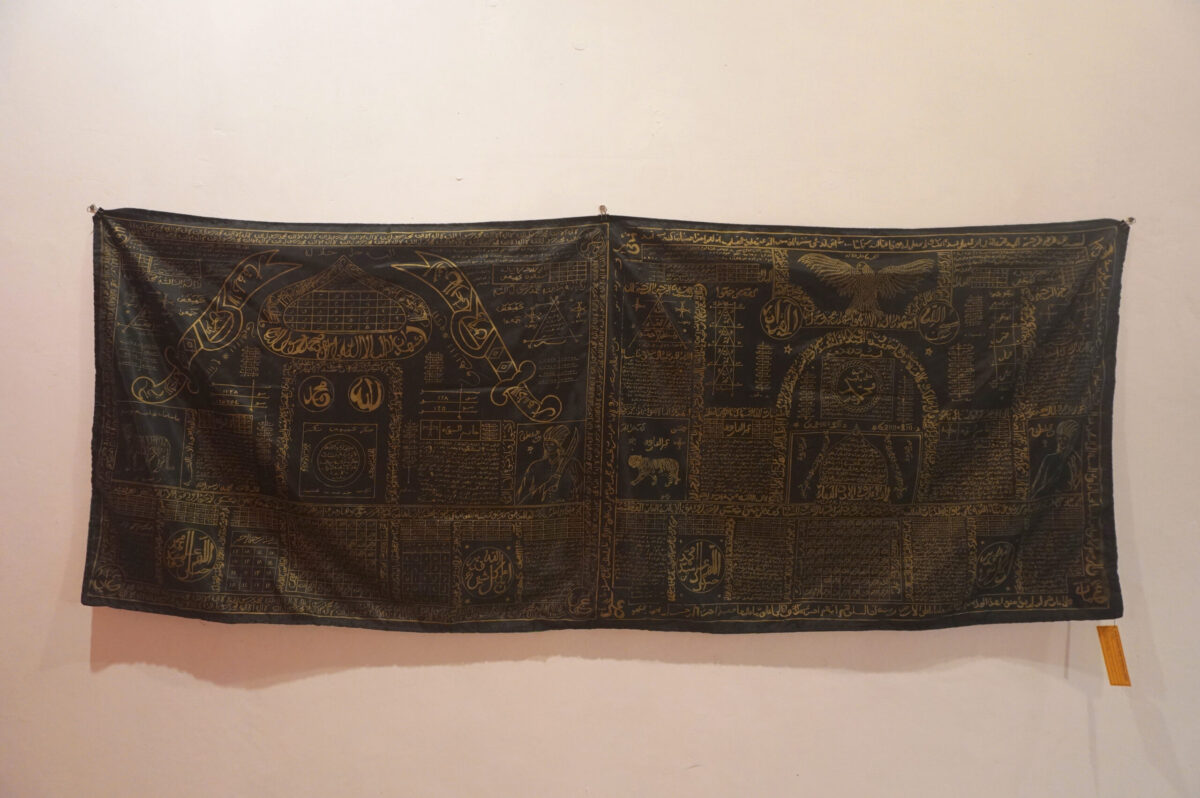
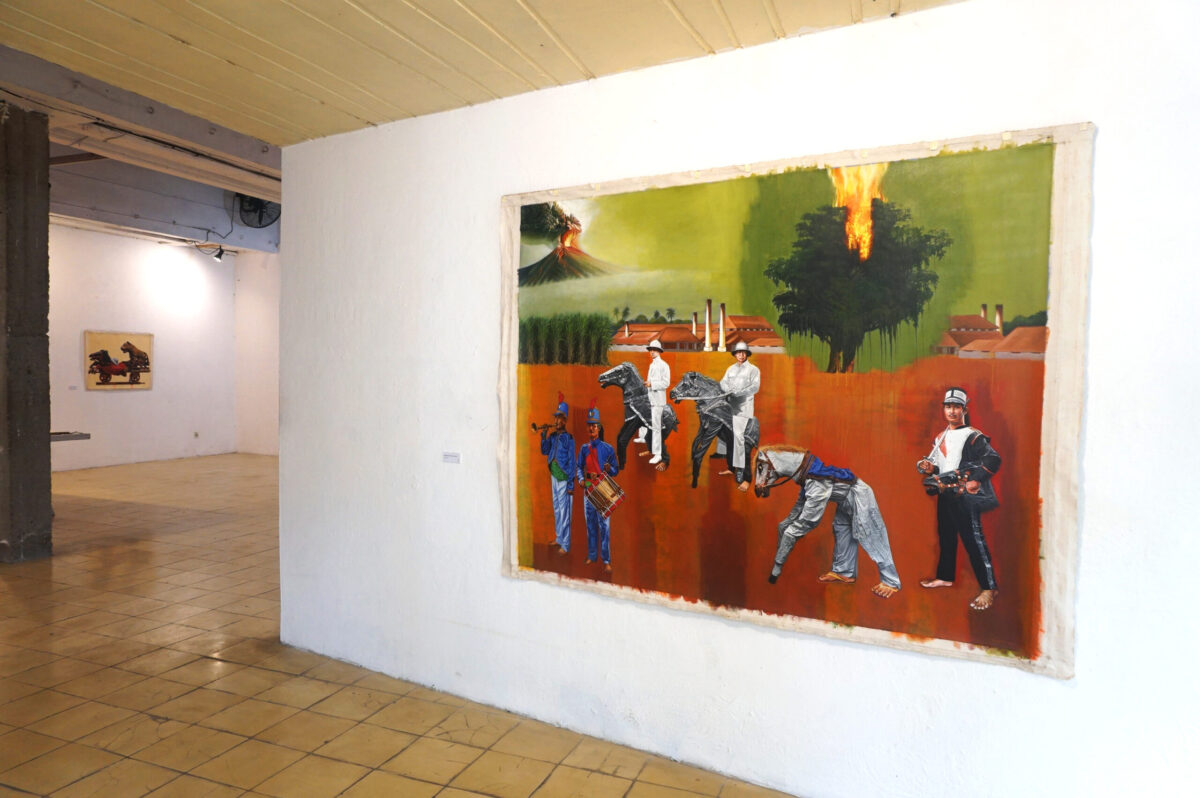
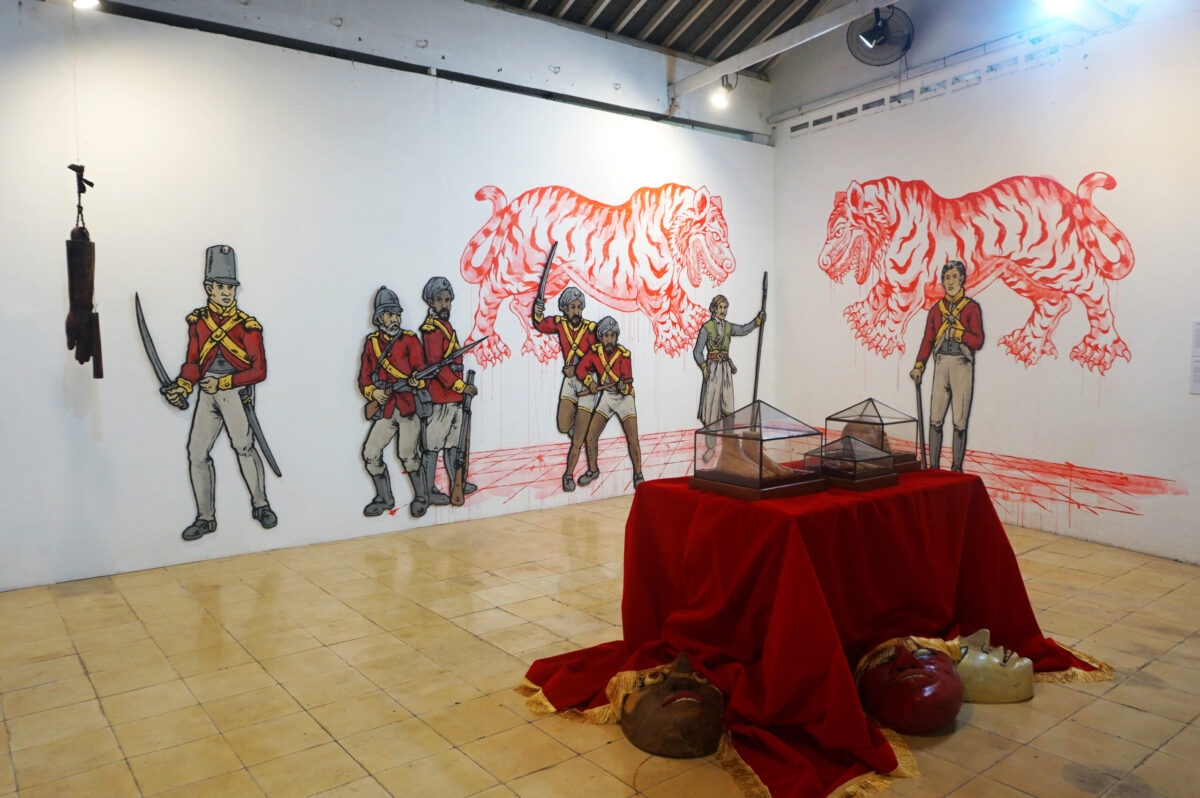
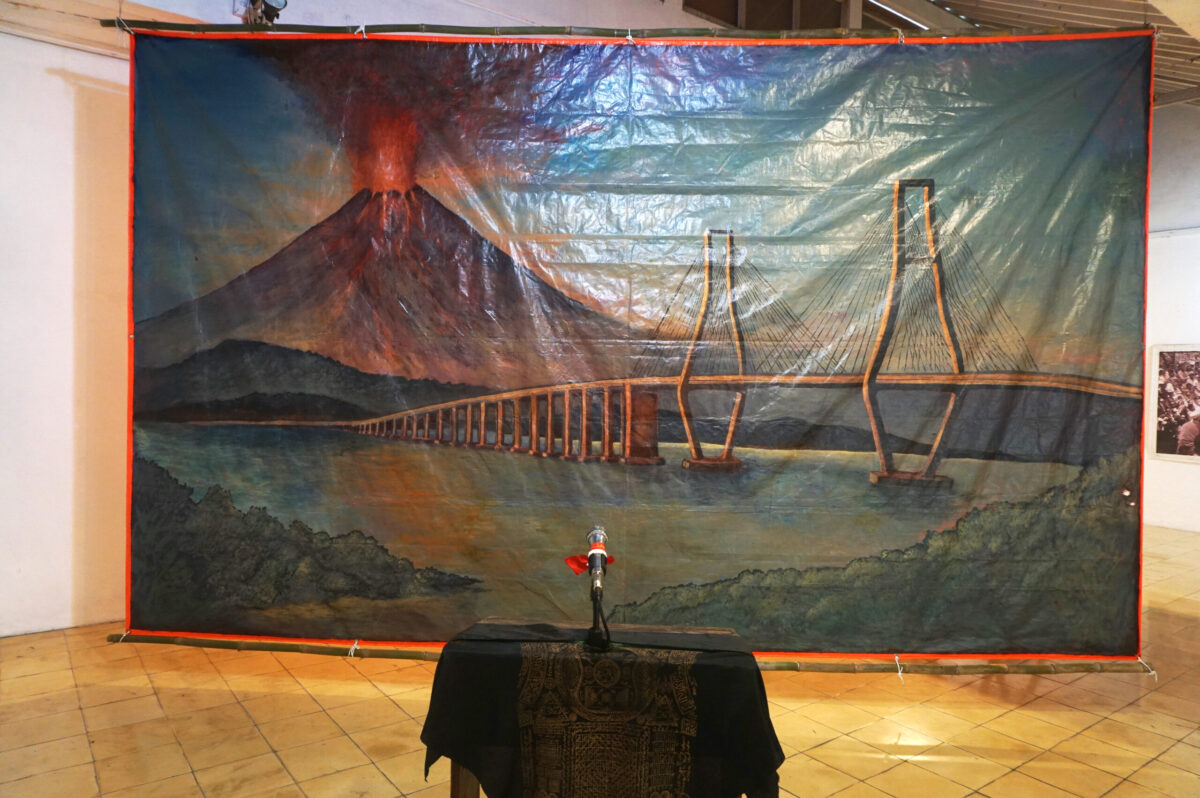
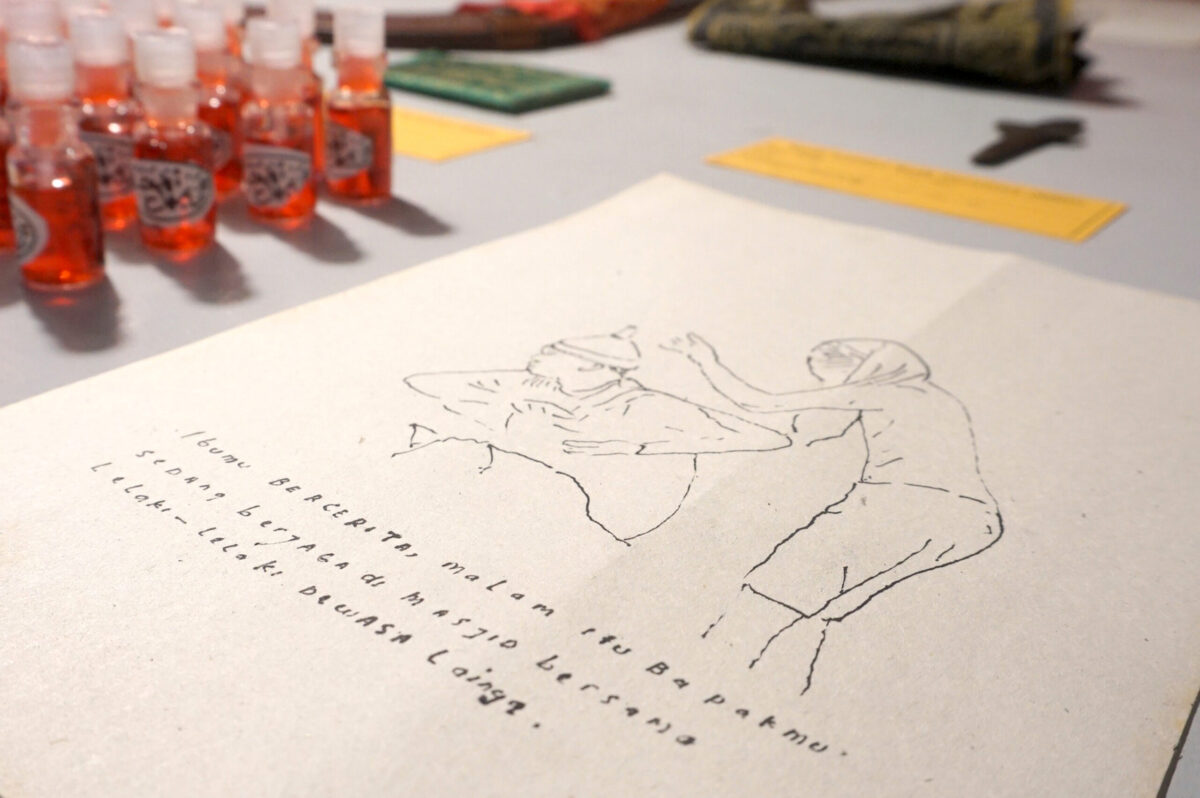
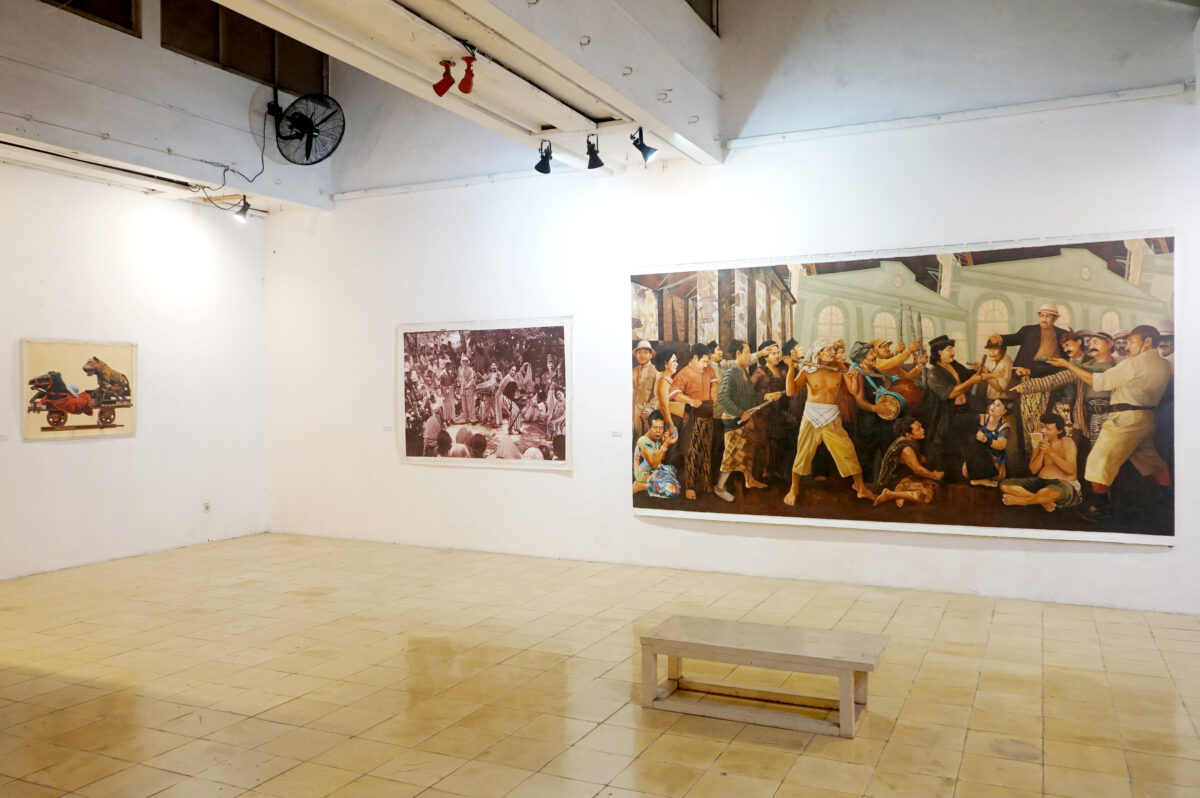
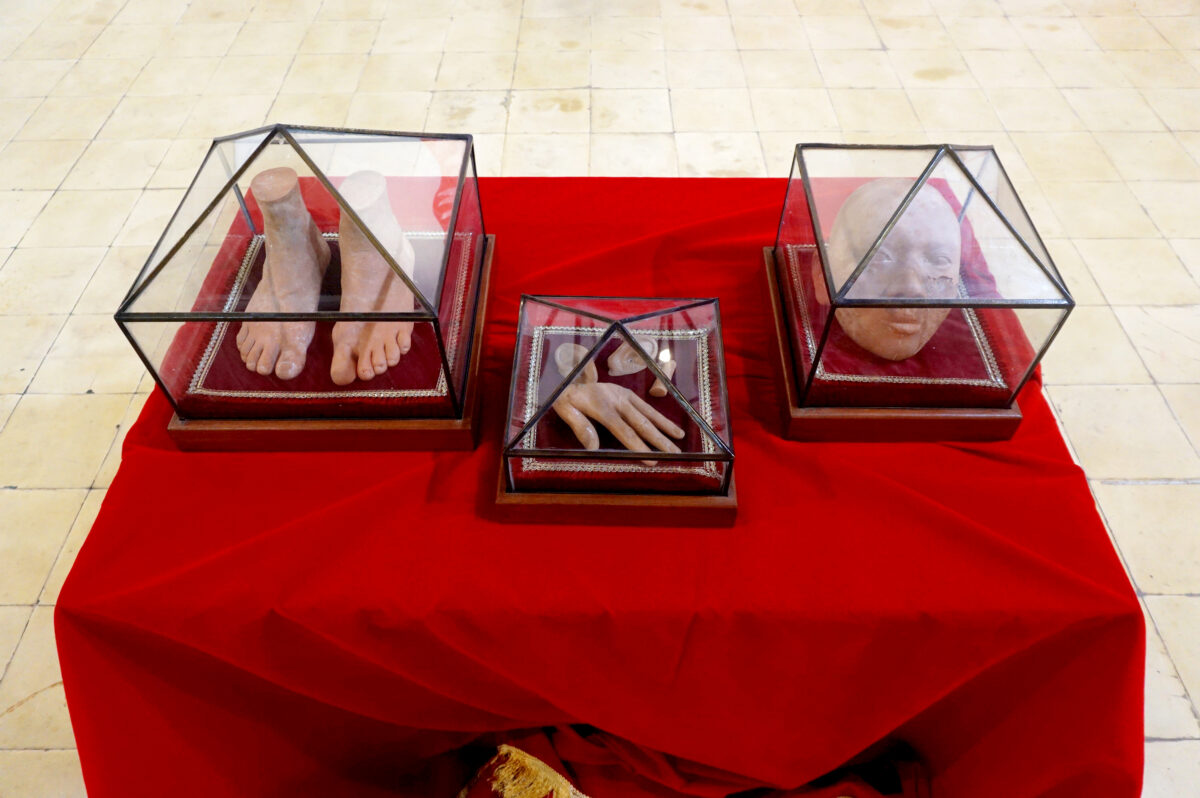
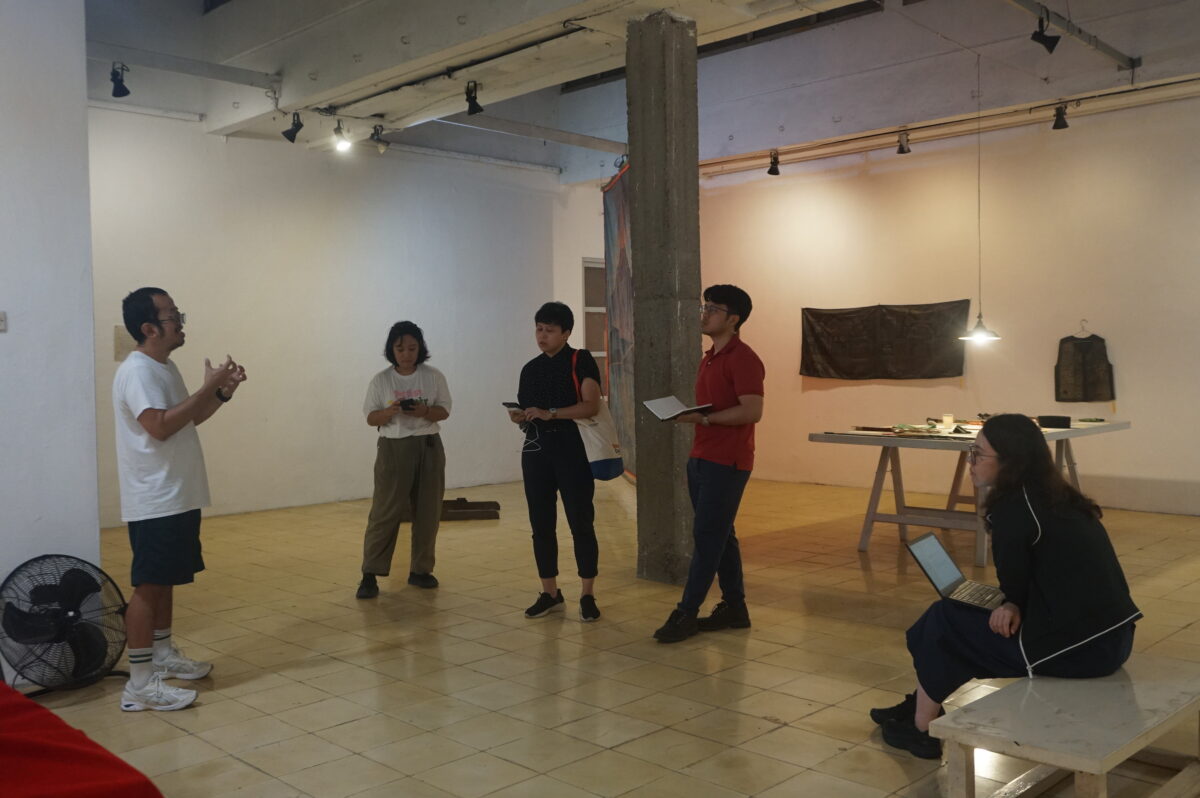
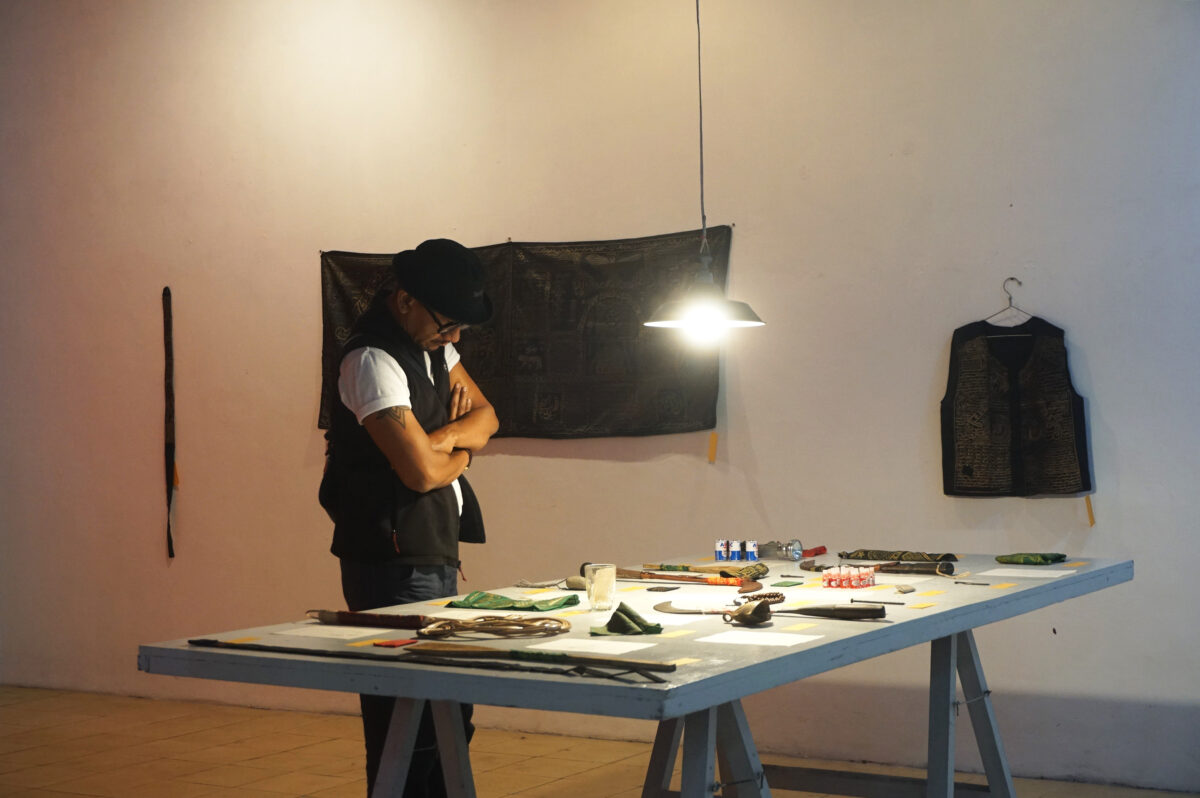
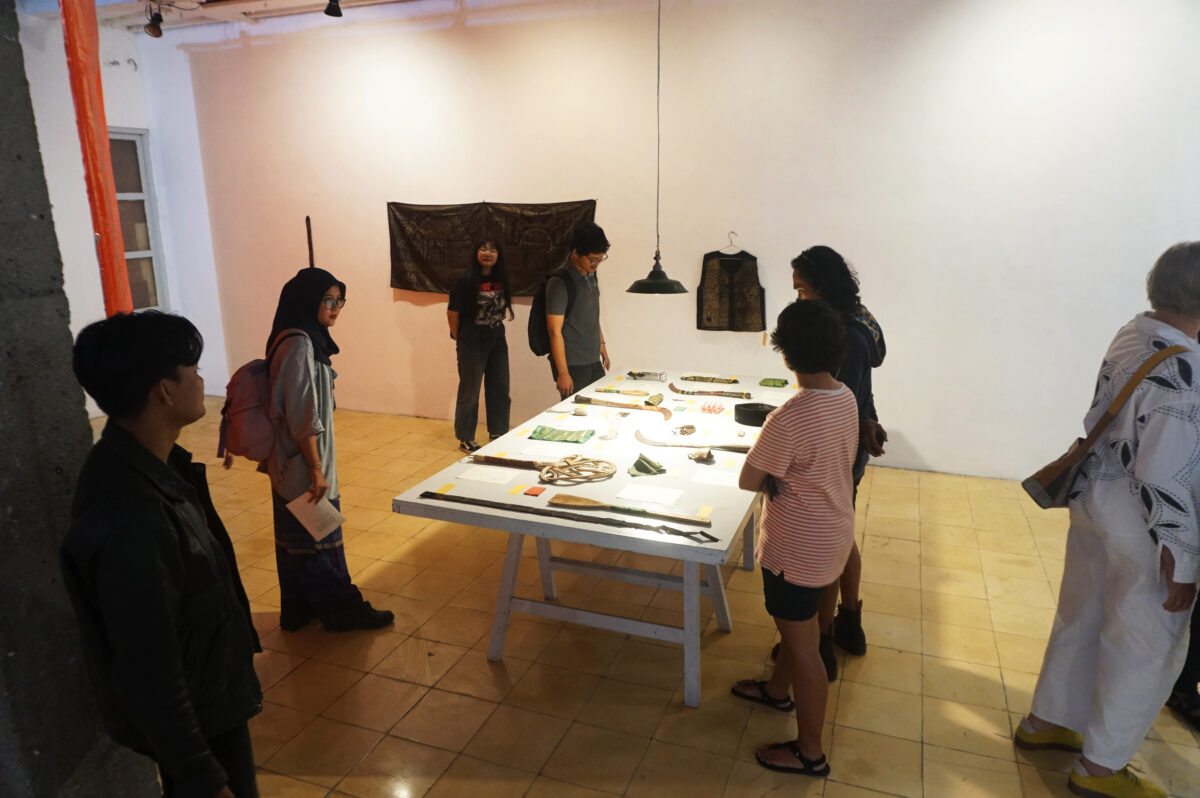
Lima lukisan besar Moelyono menghidupkan kembali pertunjukan kelompok Budhi Wijaya dan jejaring sosial perkebunan tebu, sekaligus menampilkan parodi-parodi tajam tentang perjuangan kolektif. Latar karya M. Shodiq memosisikan perspektif Madura terhadap teror “ninja”, menunjukkan bagaimana desas-desus dan keretakan sosial membentuk ulang medan geografis dan relasi sosial. Relik Rokateater — properti, tekstil usang, dan jejak koreografi — mengubah pertunjukan yang sementara menjadi arsip hidup. Mural Prihatmoko Moki dan artefak AMUK 1812 memperlihatkan bagaimana pawai dan mural bisa menjadi instrumen sipil yang aktif membingkai ulang memori kolonial yang diperdebatkan di kampung.
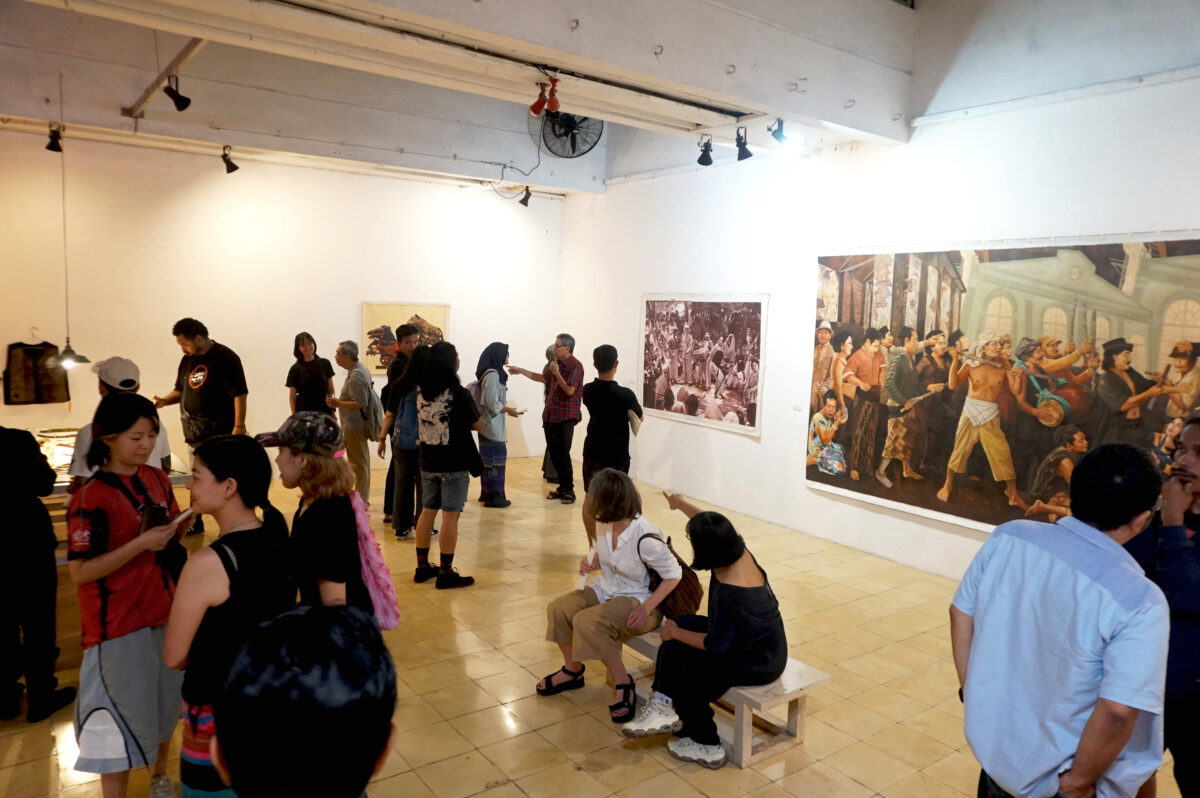
Karya-karya ini menegaskan bahwa pertunjukan tradisional dan kontemporer — seperti ludruk, pawai, dan teater—memperkuat suara kaum tertindas. Dikurasi sebagai respons terhadap era yang dibentuk oleh amnesia yang terstruktur dan spektakel yang terus-menerus, pameran ini mengajak kita memeriksa ruang belakang panggung, menafsirkan benda sebagai argumen, dan memperlakukan memori sebagai metode.
Dito Yuwono & Mira Asriningtyas
Director Cemeti – Institut untuk Seni dan Masyarakat
Galeri
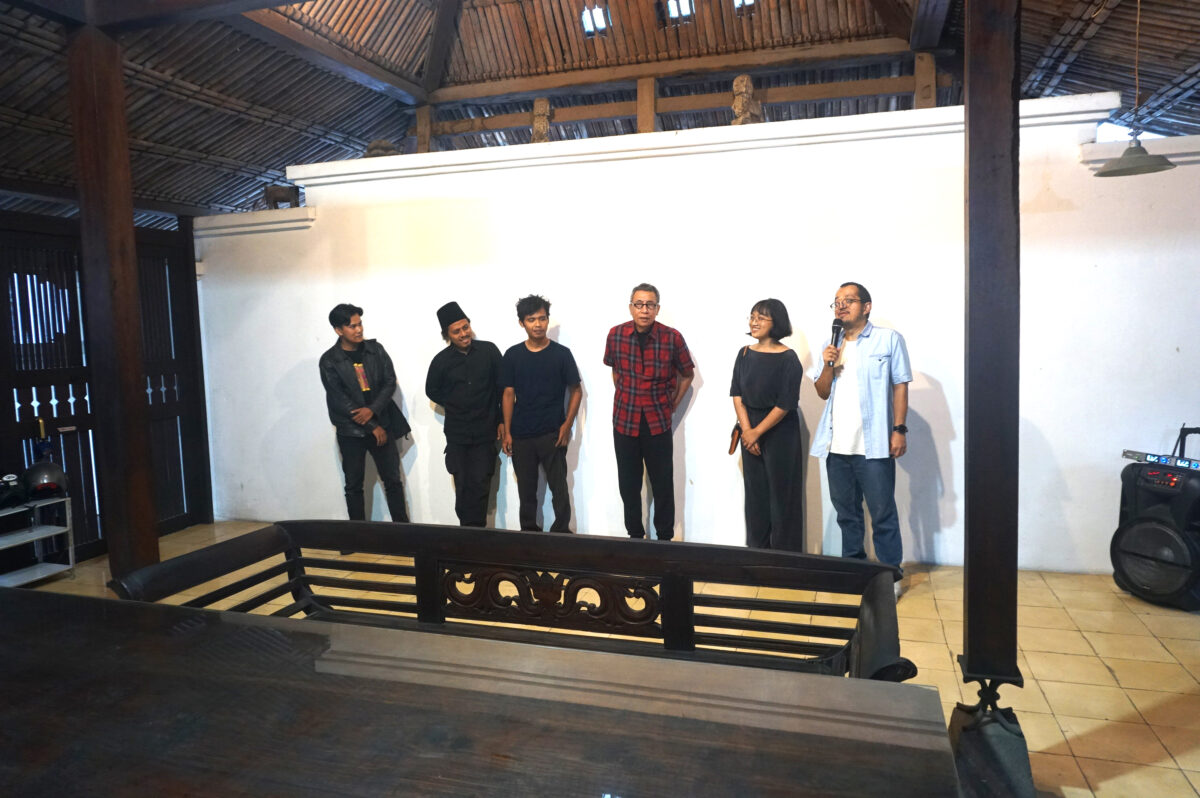
Dokumentasi
Biografi
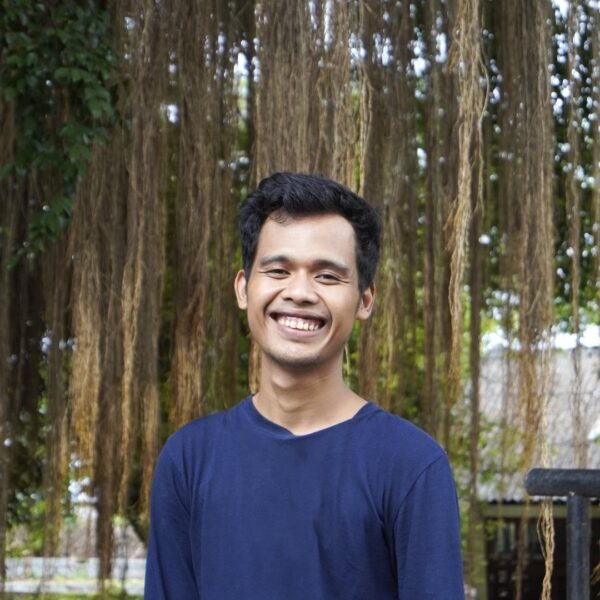
M. Shodiq (b. 2001, Probolinggo, Indonesia) is an interdisciplinary artist based in Yogyakarta. His practice encompasses various media, including painting, sculpture, graphic design, drawing, installation, craft, and murals. Inspired by his background in a tobacco farming community, Shodiq explores themes of ecology, labor, collective memory, and socio-economic structures through diverse and contextual approaches.
He actively exhibits nationally and internationally, including the Jogja Biennale (2023), the East Java Biennale (2018), and the Asia Art Archive Hong Kong (2022). His work has also been exhibited in various villages and cities, including Probolinggo, Sidoarjo, Malang, Surabaya, and Yogyakarta. He continues to develop an artistic practice rooted in local narratives and traditional performance forms, while contributing to broader arts and cultural conversations.
doc. Swandi Ranadila
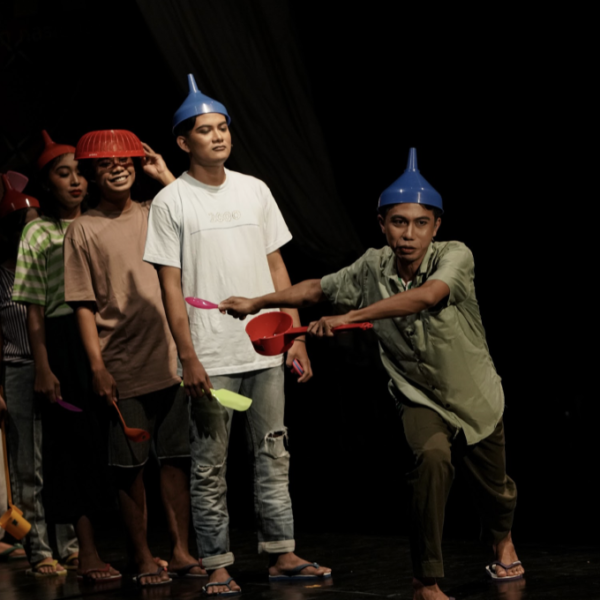
Rokateater is a platform that aims to be a meeting place and intersection for practitioners in various fields, using a 'performance arts' approach. Rokateater's works depict a variety of themes, approaches, and creative media, often involving the perspectives of youth communities. Rokateater focuses not only on discourse and projects surrounding performance arts, but also opens up other possibilities for practice and interpretation as an effort to exchange diverse artistic perspectives and disciplines.
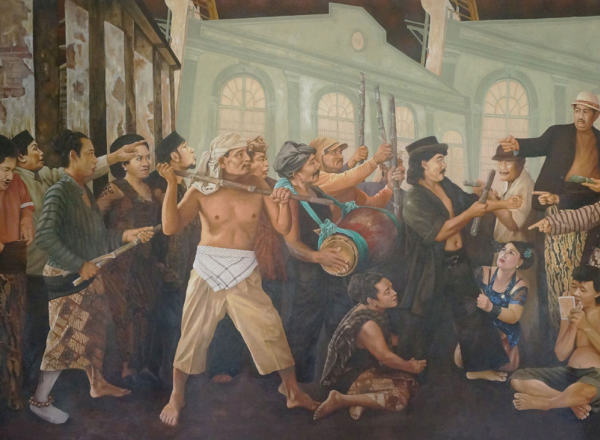
Moelyono is an Indonesian visual artist known for his socially engaged and community-based art practice. Since the 1980s, he has focused on art as a tool for social change, often working directly with marginalized communities across Indonesia. His work blends education, activism, and visual storytelling—exploring issues such as labor rights, environmental justice, and local wisdom.
Moelyono's projects often take place outside of conventional gallery spaces, emphasizing participatory methods and local voices. His long-standing commitment to popular art has made him a key figure in the development of socially conscious art in Southeast Asia.
doc. Kompas
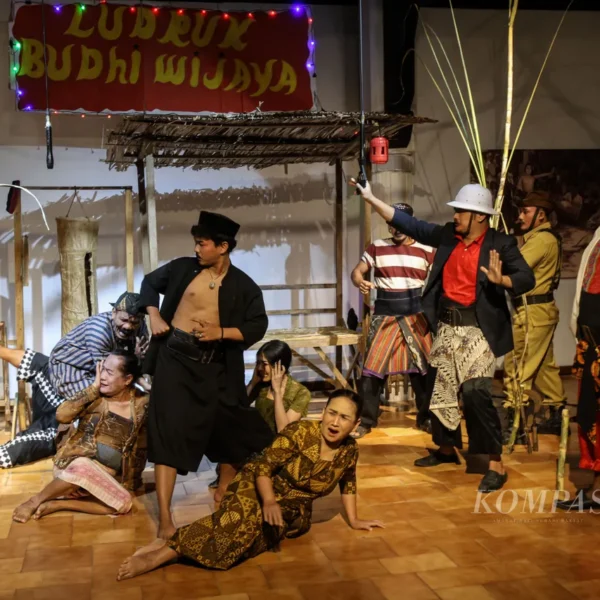
Ludruk Budi Wijaya is a traditional theater group from Jombang, East Java, founded in 1985 by Sahid Pribadi. Known for its comedic and socially reflective performances rooted in the East Javanese ludruk tradition, the group depicts everyday life through satire, dialogue, and kidungan (folk songs).
At its peak in the early 2000s, the group performed throughout Java and was known for addressing community issues through art. Now led by Sahid's son, Didik Purwanto, Ludruk Budi Wijaya continues to thrive by collaborating with young artists and incorporating modern stage practices, while preserving its cultural heritage.
doc. Pito Agustin Yudiana
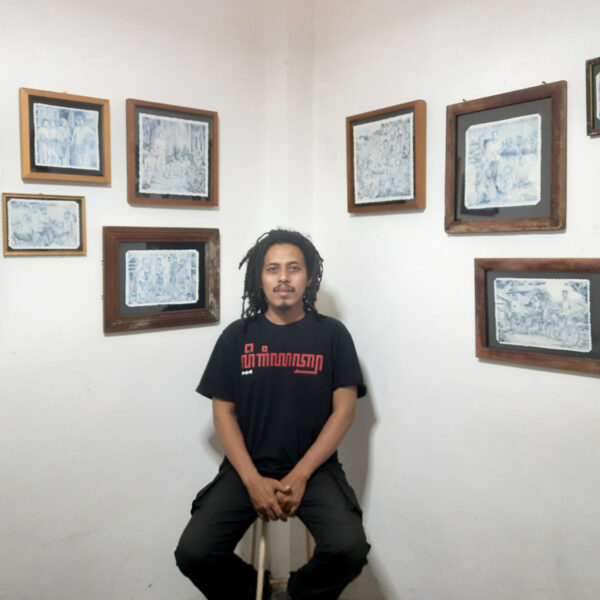
Prihatmoko Moki is a visual artist based in Yogyakarta, Indonesia, whose practice focuses on printmaking, particularly screen printing. A graduate of the Indonesian Institute of the Arts (2009), he has developed printmaking into comics, murals, music, and performance. His work explores the tension between originality and reproduction, fiction and history—often using satire to question contemporary social issues.
Moki is a founding member of Krack! Studio and the art collective GEGERBOYO, known for their critical reflections on Javanese culture and everyday life. He has exhibited extensively, including solo exhibitions in Yogyakarta, and participated in international projects such as PUNKASILA and Europalia. His curatorial work includes the Yogyakarta Cultural Festival (FKY) in 2019, 2021, and 2022.
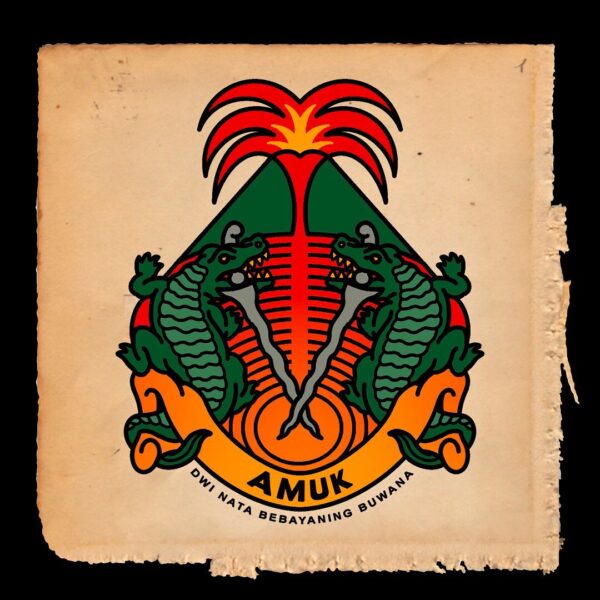
AMUK 1812 (Amanat Mulia Usaha Kampung 1812) is a cultural festival based in Yogyakarta initiated by number of artists that revisits the overlooked history of the 1812 British invasion of the Yogyakarta Palace, known as Geger Sepehi. Centered on the story of Raden Tumenggung Sumodiningrat—a palace commander erased from official memory—the festival reinterprets historical events through community-based art forms including theater, murals, video mapping, street processions, and performance. Taking place in Kampung Ngadinegaran and Danunegaran, AMUK 1812 combines local storytelling with contemporary artistic practice to critically engage with themes of power, memory, and resistance.